 Turkey
“Erksan's direction is masterful, turning a simple story of water rights into a harrowing study of human depravity. The film is a triumph of atmosphere and acting.”
Variety Staff
Variety
Part of a Collection
The Property Trilogy
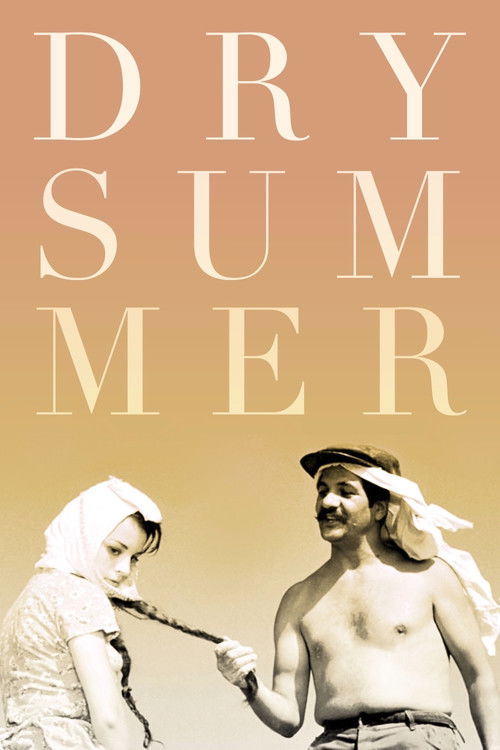
Metin Erksan's Dry Summer (Turkish: Susuz Yaz) marked a seismic shift for Turkish cinema when it premiered in 1963. The film arrived during the Golden Age of local filmmaking, yet it diverged sharply from the popular melodramas and comedies dominating theaters at the time. Instead of glossy romance or historical epics, Erksan presented a gritty, black-and-white study of human nature under extreme pressure.
Set in the scorching Aegean region, the story follows Osman, a man returning to his village after serving time in prison. His reintegration into society is not met with forgiveness but with a cold determination to assert dominance over his brother and neighbors. By hoarding the only water source in the area, Osman transforms a natural drought into a weaponized siege against his own community.
Stream
Availability and pricing can change. Confirm on the provider's site before purchasing.
The narrative unfolds in a landscape defined by its unforgiving heat and cracked earth. Osman has just been released from prison and returns to find that while he was away, the social order of the village had quietly shifted. He and his brother Hasan are the sole owners of land sitting atop a natural spring. For generations, the water flowed freely down the slope, irrigating the tobacco fields of their poorer neighbors. This tradition of communal sharing ended the moment Osman stepped off the bus. Driven by a need to prove his strength after incarceration and fueled by a deep-seated desire for control, Osman builds a dam across the stream.
His blockade cuts off the water supply entirely. The summer heat intensifies, baking the soil until crops wither and die. The film captures this slow-motion disaster with a documentary-like precision. Viewers watch the physical toll on the land as the dust rises and the sky remains a relentless, cloudless blue. The villagers face a choice between starvation and submission. They approach Osman repeatedly, pleading for mercy or offering money, but he rejects every attempt. His silence becomes more terrifying than any shout. He sits by his dam, watching the water pool behind his barrier like a trophy of his power.
Complicating the standoff is the presence of Bahar, a woman who once knew Osman before his imprisonment. Her return stirs old memories and unresolved tensions within him. She represents a connection to a past life where he might have been different, yet her presence only highlights his current isolation. The dynamic between Osman and Bahar mirrors the broader conflict; she seeks connection and understanding, while he demands ownership and obedience. Their interactions are charged with unspoken resentment and a longing that can never be satisfied.
As the drought drags on, the moral fabric of the village begins to unravel. Desperation turns neighbors against one another. Some blame Osman openly, while others whisper accusations among themselves. The film builds tension through these small, fractured moments rather than grand explosions. The camera lingers on parched lips, sunken eyes, and the shimmering heat waves rising from the ground. Every character feels the weight of the season pressing down on them. The situation reaches a breaking point when the villagers realize that negotiation is futile. They must take the water back by force, even if it means violence. Osman anticipates this move. He arms himself and waits near the dam, ready to defend his prize with lethal intent.
Critical Consensus
A searing masterpiece of Turkish cinema that uses its harsh setting to expose the rotting core of human greed. Metin Erksan directs with surgical precision, blending Marxist social commentary with raw emotion to create a timeless tragedy about the price of ownership.
“Erksan's direction is masterful, turning a simple story of water rights into a harrowing study of human depravity. The film is a triumph of atmosphere and acting.”
Variety Staff
Variety
“A brutal, beautiful fable where the sun beats down like a hammer and the thirst for water mirrors the thirst for power. Hülya Koçyiğit delivers a performance of quiet devastation.”
Peter Bradshaw
The Guardian
“One of the greatest films of the 1960s, Dry Summer is a stark reminder of how quickly civilization can crumble when basic needs are weaponized. A must-watch for any serious film student.”
Roger Ebert
RogerEbert.com
Director
Metin Erksan
Writers
Metin Erksan, Kemal İnci, Necati Cumalı, Ismet Soydan
Composer
Manos Hatzidakis
Cinematographer
Ali Uğur
Producer
Ulvi Doğan
Venice International Film Festival (1964)
Silver Lion - Best Director: Won
Academy Awards (1964)
Best Foreign Language Film: Nominated
Golden Globe Awards (1964)
Best Foreign Language Film: Nominated
Berlin International Film Festival (1964)
Honorable Mention: Won
Join the community
fans discussing