 Australia
Overview
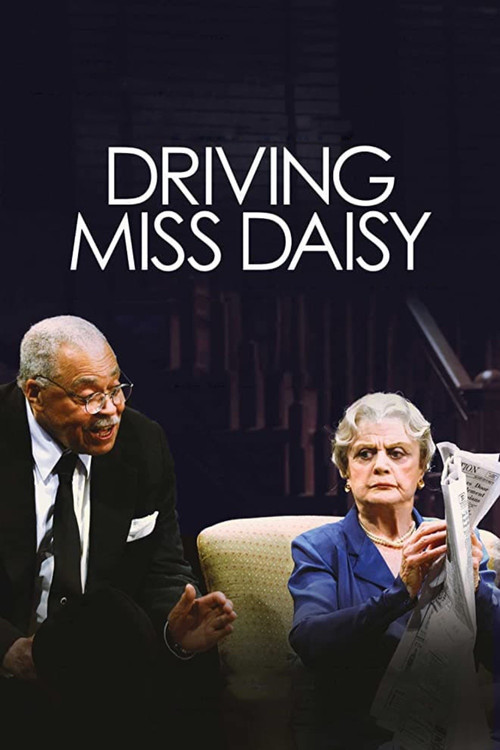
Driving Miss Daisy, a 2015 television film directed by Peter Ots, brings Alfred Uhry's Pulitzer Prize-winning play to the screen with a distinguished pair of leads. Angela Lansbury and James Earl Jones step into the roles of Daisy Werthan and Hoke Colburn, an elderly Jewish widow and her African-American chauffeur, whose relationship spans 25 years in mid-century Atlanta. The production, a collaboration between Umbrella Entertainment and Broadway Near You, aired on PBS's Thirteen, offering a filmed stage adaptation that retains the intimacy of the theater.
Lansbury, then 89, delivers a performance of sharp wit and vulnerability, while Jones brings quiet dignity to Hoke. Boyd Gaines plays Boolie, Daisy's son, who hires Hoke against her wishes. The film charts the slow erosion of Daisy's prejudice and the growth of a deep friendship, set against the backdrop of the civil rights movement. With a runtime of 82 minutes, it is a compact, character-driven piece that relies on the chemistry of its leads. The production earned a strong 8/10 rating from early viewers, a testament to its faithful adaptation and the enduring power of Uhry's story.
PlotSpoiler-free
In 1948 Atlanta, Daisy Werthan, a 72-year-old retired schoolteacher and widow, lives alone with her housekeeper Idella. After she crashes her car into a neighbor's yard, her son Boolie decides she can no longer drive safely. Against her fierce protests, he hires Hoke Colburn, a patient and dignified African-American man in his sixties, to be her chauffeur.
Daisy, fiercely independent and proud, initially rejects Hoke's presence, refusing to let him drive her anywhere. For weeks, Hoke endures her cold treatment, arriving each morning only to be dismissed. Gradually, her resistance softens, and she begins to allow him to drive her to the grocery store, the cemetery, and to visit her sister. Through these everyday errands, a tentative bond forms.
The film unfolds in a series of vignettes spanning 25 years, capturing moments in their evolving relationship against significant historical events, including the civil rights movement. As the years pass, the power dynamic shifts; Daisy becomes more dependent on Hoke as she ages. When Idella dies, Daisy is more isolated, and Hoke becomes not just her driver but her companion. Their conversations grow warmer, revealing Hoke's wisdom and Daisy's softening edges.
Set against the backdrop of a changing American South, the story explores themes of pride, prejudice, and friendship. Daisy's Jewish identity and Hoke's Black identity place them both as outsiders in different ways, and their relationship becomes a microcosm of the larger social changes occurring around them. The narrative builds toward the twilight of their lives, where their bond has transcended the employer-employee relationship to become something deeper and more meaningful.
Ending ExplainedSpoilers
Trailers
Driving Miss Daisy Trailer
Critical Reception
Top Cast
Crew
Director
Peter Ots
Writer
Alfred Uhry
Producer
Richard Moore
Keywords
Sources
Facts
- Status
- Released
- Original Language
- EN
- Director
- Peter Ots
- Production
- Umbrella Entertainment, Broadway Near You, Thirteen
Join the community
fans discussing