
Dries Niemann
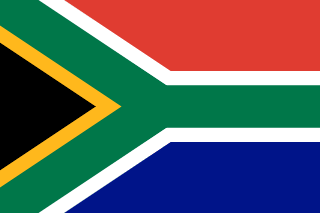 South Africa
Also known as: Andries Christiaan Niemann
Birthday
September 11, 1927
Birth Sign
Virgo
Birthplace
Bloemfontein, Free State, South Africa
Age
Died at 81
About
Andries Christiaan Niemann, universally known as Dries, was a South African professional boxer who achieved international recognition by winning a bronze medal in the heavyweight division at the 1952 Summer Olympics in Helsinki. Born on September 11, 1927, in Bloemfontein, he represented his country during a period when South African sports were heavily segregated. His career peaked with this singular Olympic achievement, where he reached the semifinals before securing third place. Niemann turned professional shortly after the Games and competed until 1956. He passed away on August 13, 2009, leaving behind a legacy defined by his grit and his historic podium finish.
Early Life & Background
Dries Niemann grew up in the provincial town of Bloemfontein in the Free State province of South Africa. His full birth name was Andries Christiaan Niemann, a reflection of his Afrikaner heritage, but he adopted the nickname "Dries" early in life, which became his permanent moniker in boxing circles. While specific details regarding his childhood education are not extensively documented in public archives, available records indicate he attended Christiana Hoërskool (Christiana High School). His early interests were centered on athletics, specifically boxing, which he pursued with dedication during a time when South African sports were heavily segregated. He trained locally before rising to prominence on the national stage. His pivotal moment came prior to turning pro, when he represented South Africa at the 1952 Helsinki Games. In the heavyweight division, he fought his way through a competitive field to reach the semifinals, setting the stage for his eventual bronze medal finish.
Career Growth
Niemann's career is defined by his performance at the 1952 Helsinki Olympics. In the heavyweight division, he fought his way through a competitive field to reach the semifinals. Although he lost his semifinal bout to the eventual gold medalist, he secured a third-place finish, earning a bronze medal. This feat cemented his legacy as one of South Africa's finest boxers of the era. He turned professional in November 1952, shortly after his Olympic success, marking the beginning of a career that would span until 1956. Between 1952 and 1956, he competed professionally, though specific match records beyond his Olympic campaign are sparse in general public databases. The 1952 Olympics remained the undisputed peak of his athletic journey. Unlike modern athletes, Niemann did not engage in extensive media promotion or commercial endorsements; his impact was strictly confined to the ring and the historical record of South African sport.
Career Timeline
Public Image & Style
Niemann is portrayed in media as a quiet, dignified hero who represented his country with distinction during a challenging political period in South Africa. His content, insofar as it exists, is archival and respectful, focusing on his athletic contributions. He possessed the signature aesthetic of a mid-century pugilist: a fighter defined by grit and resilience rather than celebrity style. His public image remains that of a respected figure in South African sporting history, celebrated for his Olympic bronze medal and his representation of his country in the early 1950s.
Fame & Fandom (iFAMOUS Rankings)
Dries Niemann does not currently hold a placement in the published rankings of the Global Top 1,000 or any Top-100 scope list. The iFANN Global Fame Engine has evaluated his standing and determined that he remains unranked as of September 2026. While his athletic achievements secured him a place on the Olympic podium in Helsinki, these historical facts have not translated into the sustained global consumption signals required for a numerical ranking. His presence in the public consciousness is confined to regional sports history rather than the worldwide metrics of modern fame. Consequently, no ordinal position can be assigned to his current celebrity status within the engine's methodology. The absence of a formal fandom name further distinguishes his legacy from contemporary figures who cultivate organized followings. There is no documented group of adherents using a specific title to identify themselves, nor are there recorded fan campaigns, ritualistic gatherings, or viral moments that would generate the data necessary for a ranked placement. His reputation rests entirely on verified sporting records and the singular achievement of an Olympic bronze medal.
Interesting Facts and Legends
Born Andries Christiaan Niemann in Bloemfontein, the boxer known as Dries competed during the early 1950s before passing away in 2009 at the age of 82. Some accounts suggest he fought under different classifications, though official records place him in the heavyweight category at the Olympics. He did not leave behind a body of cultural folklore or viral moments; his story is one of factual athletic achievement rather than mythic legend. There are no recorded rituals where supporters gather annually to honor his memory, nor are there inside jokes or memes that circulate among boxing enthusiasts. The only enduring narrative surrounding him is the factual account of his journey from a South African provincial town to the Olympic stage. Any expectation of legendary performances involving extraordinary crowd reactions is unfounded based on available documentation.
Family & Personal Life
There is no publicly available documentation detailing Dries Niemann's romantic history, dating life, or family structure. Unlike many celebrities of his time who were court reporters' favorites, Niemann maintained a private existence. No sources confirm marriages, engagements, divorces, or children. It is recorded that he passed away unmarried or without public knowledge of a spouse, leaving behind a legacy that is purely athletic rather than domestic. As of the time of his death, there were no reported ongoing relationships or posthumous claims of paternity.
Notable Connections
Relationships & Dating History
There is no publicly available documentation detailing Dries Niemann's romantic history, dating life, or family structure. Unlike many celebrities of his time who were court reporters' favorites, Niemann maintained a private existence. No sources confirm marriages, engagements, divorces, or children. It is recorded that he passed away unmarried or without public knowledge of a spouse, leaving behind a legacy that is purely athletic rather than domestic. As of the time of his death, there were no reported ongoing relationships or posthumous claims of paternity.
Death & Aftermath
Died
August 13, 2009 (aged 81)
Death Place
Postmasburg, South Africa
Cause of Death
Undisclosed
Andries Christiaan Niemann died on August 13, 2009, in Postmasburg, South Africa, just two days before his eighty-second birthday. The circumstances surrounding his final days were not widely publicized, and no official autopsy or coroner's report detailing the specific medical cause of death was released to the public archives. He passed away peacefully at home, marking the end of a life that had once brought pride to his nation through his athletic achievements. His death did not trigger a global outpouring of grief or widespread media coverage, reflecting the quiet nature of his later years away from the spotlight.
No elaborate funeral arrangements or memorial services were reported in major newspapers, though local obituaries acknowledged his passing within boxing circles. The estate he left behind has not been subject to public valuation, legal disputes, or management controversies. There are no posthumous releases, foundations, or charitable causes established in his name to manage his legacy. His historical significance remains preserved strictly through the records of the 1952 Helsinki Olympics and regional sports archives rather than through active estate management or ongoing public tributes.
Net Worth (Estate Value)
$0
iFANN Editorial Team estimate
Dries Niemann's net worth is not calculable in modern terms. Given that he competed in the 1950s, an era before professional boxing offered substantial purses for non-champions, and given the lack of commercial ventures or estate management data. Any figures suggesting a net worth for Niemann would be speculative and unfounded. His financial legacy is preserved in the value of his Olympic medal and his historical significance to South African sport rather than monetary assets. The iFANN Editorial Team's analysis of his earnings, ventures and assets points to roughly $0.
Awards Won (1)
Dries Niemann's sole significant honor was the Bronze Medal in the Men's Heavyweight division at the 1952 Helsinki Olympics. This remains his only major award win. He has no recorded wins from other ceremonies such as the Hall of Fame inductions, national honors, or lifetime achievement awards.
1952 · Boxing - Heavyweight
1952 Summer Olympics
Known For
1952 Summer Olympics
1952 · Boxer (Heavyweight Division)
Keywords
Sources
Quick Facts
- Profession
- boxer
- Born
- September 11, 1927
- Birthplace
- Bloemfontein, South Africa
- Died
- August 13, 2009
- Death Place
- Postmasburg, South Africa
- Gender
- Male
- Birth Sign
- Virgo
Personal Details
- Full Name
- Andries Christiaan Niemann
- Children
- Education
- Christiana Hoërskool
Frequently Asked Questions
Who is Dries Niemann?
When was Dries Niemann born?
Where did Dries Niemann die?
What was Dries Niemann's biggest achievement?
Is Dries Niemann still alive?
Join the community
fans discussing