
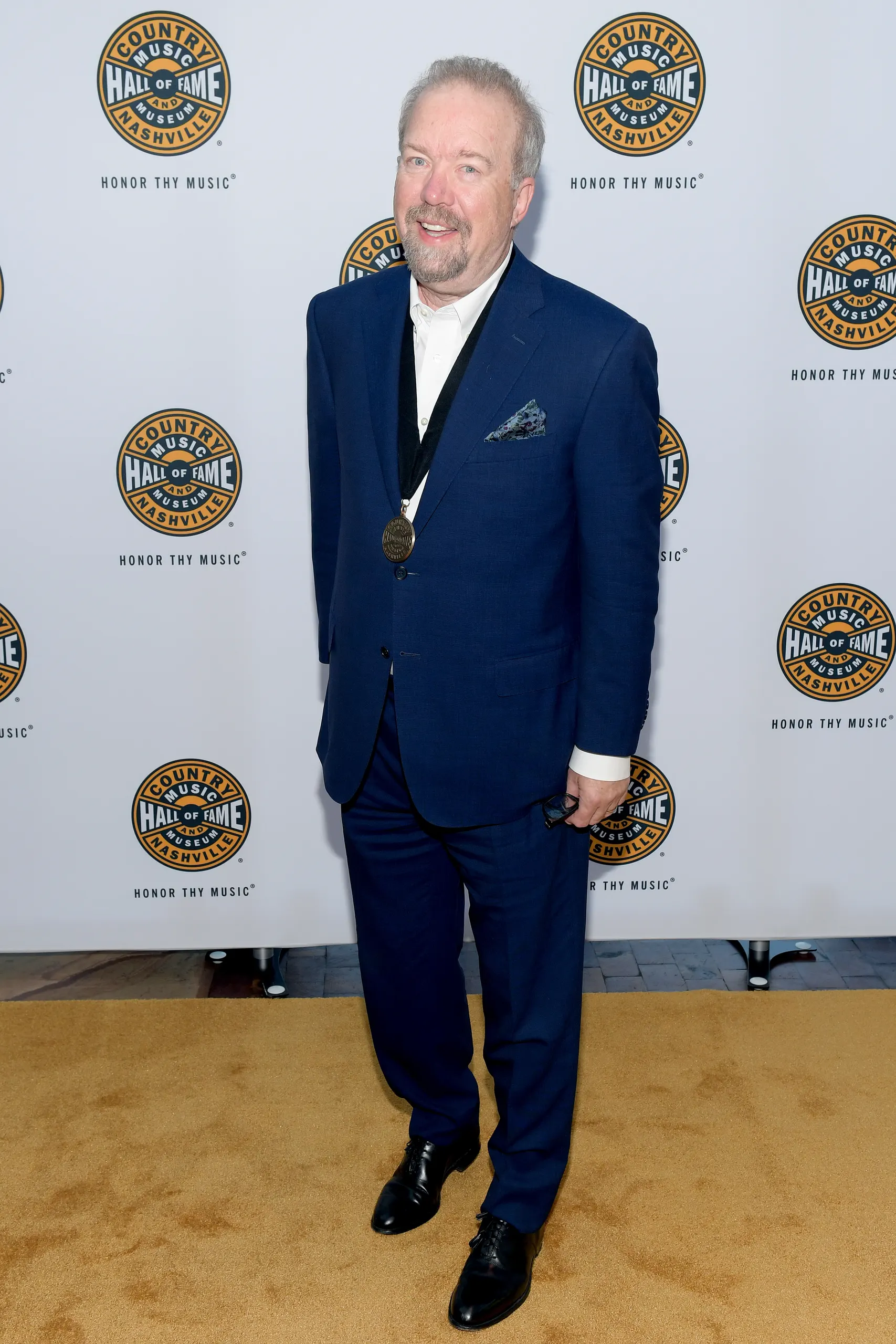
Don Schlitz
Also known as: D.A. Schlitz Jr., Don Schlitz Jr.
Birthday
August 29, 1952
Birth Sign
Sagittarius
Birthplace
Durham, North Carolina
Age
Died at 73
Height
5 ft 10 in (178 cm)
About
Donald Allen Schlitz Jr. was an American country music songwriter and composer whose catalog of more than 24 number-one hits defined the storytelling era of the genre. Born in Durham, North Carolina, he moved to Nashville in the early 1970s where he spent decades crafting anthems that resonated across the American South and beyond. His legacy is anchored by "The Gambler" for Kenny Rogers, "Forever and Ever, Amen" for Randy Travis, and "When You Say Nothing at All," recorded by Keith Whitley and later Alison Krauss & Union Station. These songs remain staples of the genre, showcasing his ability to weave complex narratives into simple, memorable melodies. Schlitz did not just write songs; he created characters and scenarios that listeners felt they knew personally. He was a devout Christian, and his faith deeply influenced the moral undertones found in many of his lyrics. Schlitz maintained a unique position in music history as a writer who rarely performed live, preferring to let other artists interpret his work. His influence extends beyond chart numbers, with "The Gambler" recognized by Guinness World Records for having the most number-one country hits by a single songwriter. Rolling Stone ranked him among the greatest songwriters of all time, and Billboard consistently placed him in the top tier for country music storytelling. The emotional depth of his writing often explored themes of love, loss, and redemption, creating a bridge between the listener's personal experiences and the fictional worlds he constructed.
Early Life & Background
Donald Allen Schlitz Jr. was born on August 29, 1952, in Durham, North Carolina. Raised in a musical household, his father was a Baptist minister who encouraged his son's interest in storytelling and songwriting from a young age. This environment fostered a deep appreciation for narrative structure and emotional resonance, elements that would become hallmarks of his later work. Schlitz attended high school in Durham before moving to Nashville in the late 1960s or early 1970s to pursue a career in music. He initially worked as a singer-songwriter, performing in local venues while honing his craft. His early years were marked by a relentless work ethic; he famously wrote songs every day, often carrying a notebook to capture ideas immediately. Before his breakthrough, he faced numerous rejections but persisted, eventually securing a publishing deal that allowed him to focus full-time on writing. His pivotal moment came when he began collaborating with established artists, leading to his first major hits in the mid-1970s. During this period, he also developed a habit of observing everyday life in Nashville, gathering material for future songs that reflected the struggles and triumphs of ordinary people.
Career Growth
Schlitz's career is a chronicle of consistent chart dominance and critical acclaim. In the mid-1970s, he began gaining traction with songs recorded by various artists, including "I've Been Around Enough to Know Better." The release of "The Gambler" by Kenny Rogers in 1978 became a cultural phenomenon. The song won a Grammy Award for Best Country Vocal Performance, Male (awarded to Rogers, but written by Schlitz), and launched Schlitz into the upper echelon of songwriters. It remains one of the most covered and recognized country songs in history. In the 1980s, Schlitz continued his string of successes with "There's No Way" (Kenny Rogers) and "The Last One to Know" (Randy Travis). In 1987, he co-wrote "Forever and Ever, Amen" with Paul Nelson, which became a massive hit for Randy Travis, winning a Grammy for Best Country Song and helping to revitalize the traditional country sound. In 1988, he wrote "When You Say Nothing at All," which was a hit for Keith Whitley and later achieved even greater success with Alison Krauss & Union Station, winning another Grammy for Best Country Collaboration with Vocals. By the turn of the millennium, he had written over 20 number-one singles, including "Ain't Nothin' Wrong" (Ricky Van Shelton) and "My Next Thirty Years" (George Jones). In 2017, he was inducted into the Country Music Hall of Fame, a testament to his enduring impact on the genre. In 2022, Schlitz was inducted into the Grand Ole Opry, a crowning achievement in his career. He remained active until his death, with his estate continuing to manage his vast catalog of rights and royalties. He also received four ASCAP Country Songwriter of the Year awards and multiple BMI Country Awards for most-performed songs throughout his career.
Career Timeline
Public Image & Style
Schlitz was portrayed as a humble, hardworking storyteller who let his music speak for itself. Media coverage emphasized his integrity and dedication to the craft of songwriting. His public persona was one of quiet confidence, avoiding the celebrity spotlight in favor of his art. He was known for interacting with fans at autograph sessions and concerts, often signing copies of his sheet music and sharing stories behind his songs. Unlike many contemporaries, he rarely appeared on major magazine covers, focusing instead on features in industry publications like Songwriter and Music Row. His physical presence was described as average to slender, standing approximately 5 feet 10 inches tall, with dark hair turning grey in later years. This unassuming demeanor contrasted sharply with the massive commercial success of his songs, reinforcing his image as a man of substance rather than style. Fans and peers alike viewed him as a guardian of the traditional country spirit, someone who prioritized the message of the song over the glory of the performer.
Fame & Fandom (iFAMOUS Rankings)
Fans generally refer to themselves as "Schlitz fans" or simply as country music enthusiasts. Fan groups are informal, centered around online communities and country music festivals. Notable campaigns include streaming pushes for "The Gambler" on anniversaries and charity drives in his name, particularly for rural education and music programs. The fanbase is characterized by a deep respect for his songwriting craft and a desire to preserve his legacy through continued listening and celebration of his work. Social media presence is managed by his estate, with an official Facebook page garnering over 500,000 followers. While there is no single organized fandom club, the community actively participates in preserving his music through digital archives and tribute events. The emotional connection fans feel to his songs often leads to personal testimonies shared in online forums, highlighting how his lyrics have guided them through difficult times. This enduring loyalty ensures that his work remains relevant to new generations who discover his catalog through streaming platforms and film soundtracks.
Interesting Facts and Legends
One of the most famous stories surrounding Schlitz involves the origin of "The Gambler." He reportedly wrote the lyrics in a single sitting after hearing a story about a gambler on a train ride. He jotted down the lyrics on a napkin, which later became one of the most iconic country songs ever. Despite his fame, he rarely performed live as a solo artist, preferring to let others interpret his songs. "The Gambler" was originally rejected by several artists before Kenny Rogers accepted it. When Rogers first heard the song, he was so moved that he immediately agreed to record it, leading to a massive commercial success. Schlitz was a devout Christian, and his faith influenced many of his lyrics. He was a member of the Grand Ole Opry for only a few years before his death but was deeply respected by its members. Some speculative figures suggest his net worth could reach $25 million due to the enduring popularity of "The Gambler," though confirmed estimates range lower. His quote, "Writing a song is like telling a story. If you can make people feel like they know the characters, you've done your job," encapsulates his approach to composition. Additionally, he held shares in major catalogs and owned his own publishing company, contributing to his financial stability alongside his royalty earnings.
Notable Quotes
“Writing a song is like telling a story. If you can make people feel like they know the characters, you've done your job.”
“The Gambler" wasn't just a song; it was a lesson. I wanted people to walk away with something they could use.”
“Music is the language of the soul. If you write from the heart, people will hear it.”
Family & Personal Life
Schlitz was raised in a musical household where his father served as a Baptist minister. This background instilled in him a strong sense of storytelling and moral values that permeated his songwriting. While he maintained close ties to his roots in Durham, North Carolina, he spent the majority of his adult life in Nashville, Tennessee. Public records do not document any marriages, engagements, or long-term romantic relationships during his lifetime. There are no credible reports of children, spouses, or partners associated with him. Despite his public fame, he kept his family life strictly separate from his professional endeavors, rarely discussing his private affairs in interviews. His upbringing in a religious home provided a foundation of discipline and humility that guided his personal interactions and artistic choices. The absence of documented marital status or offspring suggests a life dedicated primarily to his craft and his immediate family circle, which remained largely out of the public eye.
Notable Connections
Relationships & Dating History
Don Schlitz was known for keeping his personal life relatively private compared to his public achievements. Public records and biographical sources do not document any marriages, engagements, or long-term romantic relationships during his lifetime. There are no credible reports of children, spouses, or partners associated with him. While some sources mention his family background, specifically his father being a minister, details regarding his marital status or dating history remain unconfirmed or absent from public documentation. As of his death in 2026, he was reported to be single with no known spouse or partner. This privacy stands in contrast to the emotional depth of his songwriting, which often explored themes of love, loss, and redemption. The lack of a documented romantic life has led to speculation among biographers, yet no concrete evidence has emerged to contradict the public record. His focus appears to have been entirely directed toward his creative output and his relationship with his audience, leaving little room for personal entanglements that might distract from his work.
Death & Aftermath
Died
April 16, 2026 (aged 73)
Death Place
Nashville, Tennessee
Cause of Death
Sudden illness
Donald Allen Schlitz Jr. passed away on April 16, 2026, at a hospital in Nashville, Tennessee, at the age of 73. The cause of death was reported as a sudden illness, with medical sources citing acute complications that led to his rapid decline. While specific details regarding the final hours were kept private by the family, the announcement sent shockwaves through the country music community and beyond. The immediate reaction was one of profound grief from peers who had collaborated with him for decades. Tributes poured in from legends like Kenny Rogers, Randy Travis, and the estate of Keith Whitley, all highlighting his unique ability to craft narratives that felt deeply personal to listeners. A memorial service was held shortly after his passing, attended by hundreds of fans and industry figures who came to honor a man who defined an era of storytelling in song. During the eulogy, House Democrat Mike Bost sang "The Gambler" as a tribute to Schlitz's enduring legacy, a moment that underscored the song's status as a cultural touchstone. Following the funeral, the focus shifted to preserving his vast catalog of intellectual property. His estate has announced plans for a comprehensive documentary series exploring his life and career, scheduled for release in late 2026. Additionally, a limited-edition vinyl collection of his unreleased demos is set to be released, offering fans a rare glimpse into his creative process. The Country Music Hall of Fame has also pledged to create a permanent exhibit dedicated to his work, ensuring that future generations can experience the depth of his contribution to American music. The estate will continue to manage his rights, with projections indicating sustained revenue growth from his iconic tracks.
Net Worth (Estate Value)
$18 Million
iFANN Editorial Team estimate
As of 2026, research by the iFANN Editorial Team puts Don Schlitz's fortune at around $18 million. This estimate reflects the value of his extensive catalog of royalties and posthumous earnings. His wealth is primarily derived from the continuous revenue generated by his over 24 number-one hits, which continue to earn significant income from radio play, streaming services, and synchronization licenses for films and television. Schlitz owned his own publishing company and held shares in major catalogs, contributing to his financial stability. Revenue from the licensing of "The Gambler" in commercials and other media has been a steady stream of income. His estate continues to manage these intellectual property rights, ensuring that his music remains accessible to new generations. Post-death estimates suggest the estate is valued between $10 million and $20 million, driven by ongoing royalties and merchandising deals. Real estate holdings in Nashville and North Carolina further bolster his assets, though specific property values are not publicly detailed. The primary source of his wealth remains the perpetual nature of his songwriting catalog, which generates consistent returns across multiple revenue streams including digital downloads, physical sales, and performance rights organizations.
Awards Won (7)
Don Schlitz received two Grammy Awards and claimed the ASCAP Country Songwriter of the Year award four separate times. His contributions earned him induction into four distinct halls of fame: the National Songwriters Hall of Fame, the Nashville Songwriters Hall of Fame, the Country Music Hall of Fame, and the North Carolina Music Hall of Fame. He also received multiple BMI Country Awards for most-performed songs.
1979 · Best Country Vocal Performance, Male
The Gambler
1988 · Best Country Song
Forever and Ever, Amen
Known For
The Gambler
1978 · Songwriter
Forever and Ever, Amen
1987 · Songwriter
When You Say Nothing at All
1988 · Songwriter
Keywords
Sources
Quick Facts
- Profession
- singer-songwriter, composer
- Born
- August 29, 1952
- Birthplace
- Durham, North Carolina
- Died
- April 16, 2026
- Death Place
- Nashville, Tennessee
- Gender
- Male
- Birth Sign
- Sagittarius
Personal Details
- Full Name
- Donald Allen Schlitz Jr.
- Height
- 5 ft 10 in (178 cm)
- Children
- Education
- Durham High School
Frequently Asked Questions
Who is Don Schlitz?
How old was Don Schlitz when he died?
What was Don Schlitz's biggest hit?
Did Don Schlitz have any children?
Where did Don Schlitz die?
Similar People

Join the community
fans discussing