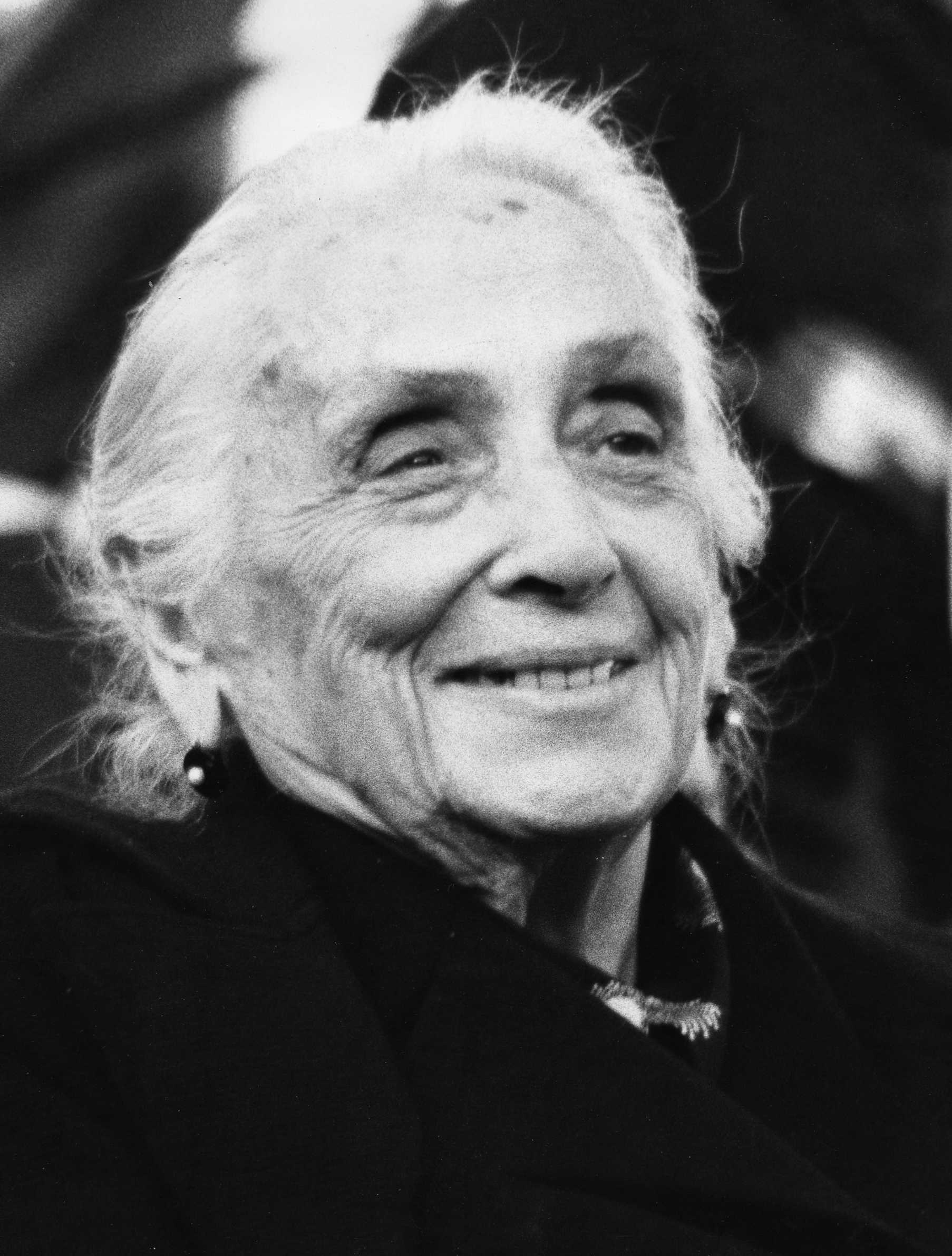
Dolores Ibárruri
 Spain
Spainpolitician•journalist•activist
Also known as: La Pasionaria, Isidora Dolores Ibárruri Gómez
Birthday
December 9, 1895
Birth Sign
Sagittarius
Birthplace
Gallarta, Biscay, Spain
Age
Died at 93
About
Isidora Dolores Ibárruri Gómez, known universally as La Pasionaria, was a Spanish communist politician and journalist who became the most recognizable symbol of the Republican cause during the Spanish Civil War. Born into a family of miners in Gallarta, she rose from poverty to lead the Communist Party of Spain for decades. Her fiery oratory and unwavering stance against fascism defined her public life until her death in 1989.
She is best remembered for her radio broadcasts from Madrid in 1936, where she delivered the rallying cry "¡No pasarán!" ("They shall not pass!"). This phrase became an enduring international slogan of resistance. Despite spending over forty years in exile, she returned to democratic Spain to serve as a Senator for Life and continued leading the PCE until her passing.
Early Life & Background
Dolores Ibárruri was born Isidora Dolores Ibárruri Gómez on December 9, 1895, in Gallarta, a mining town in the Basque Country of Spain. Her family lived in poverty, and although she was an intelligent student who excelled academically, they could not afford to pay for her education beyond primary school. To support her family, she worked as a domestic servant and later found employment in a textile factory. These early struggles with labor conditions sparked her interest in workers' rights and socialist ideologies.
Her political awakening began within the workers' movement. She joined the Spanish Socialist Workers' Party (PSOE) in 1914 but soon shifted her allegiance to the newly founded Communist Party of Spain (PCE) in 1920. She started writing for the party publication Mundo Obrero (Worker's World), using her sharp intellect and growing rhetorical skills to advocate for the working class. By the late 1920s, she had risen through the ranks of the party, setting the stage for her national prominence.
Career Growth
Ibárruri's political career accelerated rapidly in the 1930s. In February 1936, she was elected to the Cortes Generales (Spanish parliament) as a deputy for the PCE representing Asturias. When the Spanish Civil War broke out later that year, she became the central figure of the Republican resistance. Serving as General Secretary of the Central Committee of the Communist Party of Spain, she organized defense efforts and maintained morale through her speeches.
Her most famous moment came during the Siege of Madrid in November 1936. Broadcasting from the city under siege, she delivered the iconic speech containing the phrase "¡No pasarán!" which rallied Republicans and International Brigades alike. Following the Republican defeat in 1939, she fled into exile, living in France, Mexico, and the Soviet Union for over four decades. She returned to Spain in 1977 following the death of dictator Francisco Franco. Upon her return, she was named President of the PCE in 1960, a role she held until her death in 1989.
Career Timeline
Public Image & Style
Ibárruri is portrayed in media as a fierce, uncompromising, and maternal figure. Her aesthetic was simple and working-class, contrasting with the aristocratic image of many political leaders of her time. She typically wore modest, practical clothing suited for political rallies and underground work. Contemporary photographs describe her as having a commanding presence, often depicted with short, dark hair.
The media portrays her tone as urgent, passionate, and defiant. Her legacy is one of resilience, with her image evoking strong emotions ranging from reverence among the left to controversy among right-wing factions. She remains a potent symbol in leftist art and political discourse.
Fame & Fandom (iFAMOUS Rankings)
iFANN's Global Fame Engine evaluated Dolores Ibárruri in September 2026 and determined that she does not currently hold a placement in the published rankings, including the Global Top 1,000 or any Top-100 scope list. This absence reflects the engine's focus on contemporary fame metrics rather than historical or political impact, given her status as a 20th-century revolutionary leader.
Her admirers form a devoted constituency described in political terms such as comrades, communists, Republicans, and anti-fascists rather than a formal fandom name. This following is institutionally embedded in movements like the Communist Party USA, which invoked her slogan in a 2026 article. Notable campaigns include the republishing of her speeches by the Progressive International in 2022. Cultural productions keep her memory alive, including the 2022 TV series Dolores and the 2026 music video "A Passion Flower's Lament" by The Tenementals. Her burial site remains a charged political symbol, evidenced by a 2019 desecration incident.
Interesting Facts and Legends
Her pseudonym "La Pasionaria" (The Passionflower) was inspired by her passionate oratory and the flower's symbolism of passion and suffering. It was adopted by the press and stuck, becoming inseparable from her identity. Another legendary moment is her farewell speech to the International Brigades in Barcelona in October 1938. As foreign volunteers prepared to withdraw, she declared, "You can go proudly. You are history. You are legend." The audio recording of this speech is preserved and played at memorial events worldwide.
During the war, she was often referred to as the "Mother of Spain" by Republicans, embodying the defense of the nation and its children against fascist aggression. Beyond her speeches, she wrote extensively for Mundo Obrero and authored memoirs detailing her experiences during the war and exile. She spent over 40 years in exile before returning to a democratic Spain in 1977.
Notable Quotes
“¡No pasarán!”
“You can go proudly. You are history. You are legend.”
“We would rather die on our feet than live on our knees.”
“The future belongs to those who believe in the beauty of their dreams.”
Family & Personal Life
Dolores Ibárruri was married to Julián Ruiz Gabiña, a fellow miner and communist activist whom she met through their shared involvement in the labor movement. They married in 1917, and their relationship was both personal and political as comrades in the struggle for workers' rights. The couple had two children: a son named Julián who died young, and a daughter named Lola Ruiz-Ibárruri. Lola survived her mother and became a prominent figure in the Spanish Communist Party herself.
There are no public records of other romantic relationships; her marriage to Julián lasted until his death. As of her own death in 1989, she was widowed. She left behind a legacy of a single, lifelong partnership dedicated to the communist cause. Her granddaughter, Lola Ruiz-Ibárruri, later inspected the damage to her grandmother's grave in 2019.
Notable Connections
Relationships & Dating History
Dolores Ibárruri was married to Julián Ruiz Gabiña, a fellow miner and communist activist. They met through their shared involvement in the labor movement in the Basque Country and married in 1917. Their relationship was deeply intertwined with their political lives, serving as a partnership of comrades in the struggle for workers' rights. The couple had two children: a son named Julián who died young, and a daughter named Lola Ruiz-Ibárruri. Lola survived her mother and became a prominent figure in the Spanish Communist Party herself.
There are no public records of other romantic relationships or divorces. Her marriage to Julián lasted until his death, though specific dates of his passing are less frequently cited than hers. As of her death on November 12, 1989, she was widowed. She left behind a legacy of a single, lifelong partnership dedicated to the communist cause.
- MarriedJulián Ruiz Gabiña1917 - presentMarried until his death; he was a fellow miner and communist activist.
Death & Aftermath
Died
November 12, 1989 (aged 93)
Death Place
Madrid, Spain
Cause of Death
Double pneumonia
Dolores Ibárruri died on November 12, 1989, at the Hospital Universitario Ramón y Cajal in Madrid. She was ninety-three years old when double pneumonia claimed her life after a period of medical care. The cause was confirmed by hospital authorities and widely reported by major news outlets including The New York Times. Her death marked the end of an era for the Spanish Left as she was one of the last surviving leaders from the Spanish Civil War generation. Public reaction included widespread tributes from political institutions worldwide, with The New York Times describing her as a founder of the Spanish Communist Party and an indomitable symbol of the anti-fascist struggle.
Her funeral was a state-level event reflecting her stature, attended by thousands of mourners. She was interred at the La Almudena Cemetery in Madrid. Her legacy has remained politically charged; notably, in February 2019, vandals desecrated her grave, an incident that drew attention to her enduring historical significance and prompted her granddaughter, Lola Ruiz-Ibárruri, to inspect the damage. Posthumous commemorations include a 2022 biographical television series titled Dolores produced by Beta Fiction Spain and various documentaries. In August 2026, the band The Tenementals released a music video titled "A Passion Flower's Lament," further cementing her cultural presence.
Net Worth (Estate Value)
$0
iFANN Editorial Team estimate
As a deceased historical figure whose life spanned the early to late 20th century, Dolores Ibárruri did not accumulate personal wealth in the modern sense of celebrity net worth. Her income derived from her work as a journalist and political organizer, though specific salary figures are not recorded in historical archives. The concept of a personal fortune does not apply to her legacy, as she dedicated her resources to the communist cause and political activism.
Her estate and intellectual property remain managed by her family and political organizations. Posthumous revenue streams include royalties from the sale of her writings, speeches, and documentary rights. A 2022 biographical television series titled Dolores produced by Beta Fiction Spain generated commercial value, and merchandise bearing her image continues to be sold by political groups. The financial trajectory of her legacy is tied to the ongoing cultural and political relevance of her work rather than personal asset accumulation.
Awards Won (2)
While she did not receive Western entertainment awards, Ibárruri received numerous national honours. She was awarded the title of Senator for Life in 1977 and named an honorary citizen of several cities. In 1977, she received the Lenin Peace Prize, a prestigious Soviet award recognizing contributions to peace and socialism.
1977 · Peace Award
Contribution to Peace and Socialism
1977 · Honorary Title
Service to Democracy
Known For
La Pasionaria
1936 · Political Leader
Keywords
Sources
Quick Facts
- Profession
- politician, journalist, activist
- Born
- December 9, 1895
- Birthplace
- Gallarta, Biscay, Spain
- Died
- November 12, 1989
- Death Place
- Madrid, Spain
- Gender
- Female
- Spouse
- Julián Ruiz Gabiña
- Birth Sign
- Sagittarius
Personal Details
- Full Name
- Isidora Dolores Ibárruri Gómez
- Spouse
- Julián Ruiz Gabiña
- Children
- Julián (deceased), Lola Ruiz-Ibárruri
- Education
- Primary school only
Frequently Asked Questions
Who was Dolores Ibárruri?
What does "No pasarán!" mean?
When did Dolores Ibárruri die?
Was Dolores Ibárruri married?
Why is Dolores Ibárruri still remembered today?
Similar People
Join the community
fans discussing