“A masterpiece of improvisational energy that captures the frantic pace of a day gone wrong.”
Roger Ebert
Chicago Sun-Times
 United States
"A hot summer day turns a simple robbery into a national spectacle."
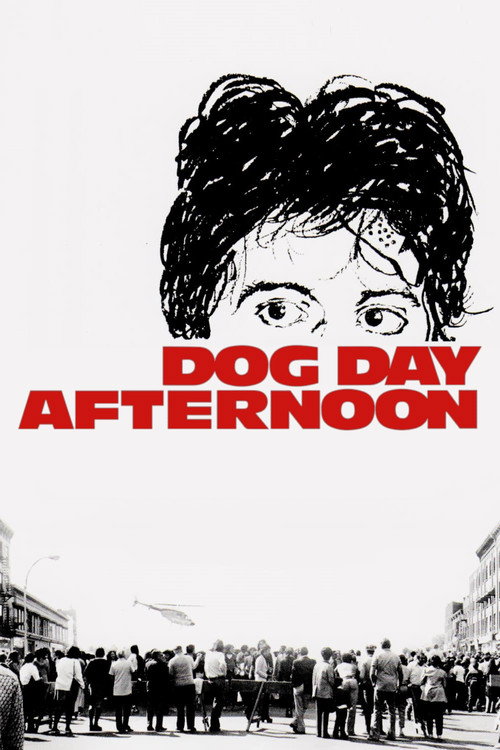
Sidney Lumet directed this tense 1975 crime drama that transforms a botched bank robbery into a chaotic media spectacle. The film stars Al Pacino as Sonny, a desperate man seeking funds for his partner Leon, played by Chris Sarandon. John Cazale delivers a memorable performance as Sal, the nervous accomplice caught in the middle of the unfolding disaster. Released on September 21, 1975, the movie cost just $1.8 million to produce but grossed over $56 million at the box office.
It blends elements of psychological thriller and social commentary to capture a specific moment in time. Critics praised the raw energy and realistic portrayal of the event, which earned it a strong rating of 7.8 out of 10 from audiences. The story draws from real events involving John Wojtowicz and Salvatore Naturile, turning their failed heist into a gripping narrative about desperation and public scrutiny.
Availability and pricing can change. Confirm on the provider's site before purchasing.
The heat wave hitting Brooklyn in August 1972 sets the stage for a routine morning that quickly unravels. Sonny Wortzik walks into the Bank of Brooklyn branch with his friend Sal Naturile, claiming they need money for a medical procedure. Their target is the cash register, but the alarm triggers within seconds, trapping them inside with terrified customers and tellers. What starts as a quick grab-and-go mission becomes a siege as police units surround the building and news helicopters circle overhead. Sonny realizes escape is impossible and decides to turn the hostage situation into a public platform.
He steps out onto the sidewalk to address the growing crowd of onlookers, who cheer, heckle, and offer him snacks. Sonny demands attention for his partner Leon, explaining that the surgery requires insurance coverage that does not exist. He gives impassioned speeches that shift from pleading to angry rants against the banking system. Inside, the tension mounts as Sal grows increasingly anxious and uncooperative. Detective Moretti leads the police negotiation team, trying to keep everyone alive while tactical units prepare for a potential raid. The hours drag on under the sweltering sun, and the line between criminal and victim blurs as Sonny becomes a reluctant celebrity.
The situation escalates when Sonny attempts to flee with hostages and a makeshift getaway car. Police intercept the vehicle, leading to a chaotic exchange of gunfire. A fire hydrant provides a brief respite from the heat but also becomes a tool for the police to flush out the suspects. The psychological toll on the hostages and the robbers alike becomes unbearable as the media circus intensifies. Sonny struggles to maintain control over Sal while facing the cold reality that his plan has failed. The film captures the electric atmosphere of a neighborhood in shock, where the mundane details of daily life collide with the extraordinary violence of the moment.
As the day wears on, the stakes become clearer. Sonny knows there is no way out, yet he continues to fight for recognition and help. The narrative explores themes of desperation, the commodification of tragedy by the media, and the fragility of human relationships under extreme stress. The audience watches as the initial chaos settles into a grim standoff, leaving the outcome uncertain. The film masterfully balances the absurdity of the situation with the genuine humanity of its characters, creating a gripping portrait of a day that would become infamous in American history.
Dog Day Afternoon (1975) ORIGINAL TRAILER
Modern Trailer
Original Theatrical Trailer
Critical Consensus
Dog Day Afternoon stands as a masterclass in tension and character study, anchored by Al Pacino's career-defining performance. Directed with precision by Sidney Lumet, the film transforms a true crime event into a searing social commentary on media sensationalism, institutional failure, and human desperation. Its raw realism and emotional depth make it an enduring classic of American cinema.
“A masterpiece of improvisational energy that captures the frantic pace of a day gone wrong.”
Roger Ebert
Chicago Sun-Times
“Pacino gives one of the greatest performances of all time in this gritty New York tale.”
Vincent Canby
The New York Times
“Lumet directs with a documentary-like immediacy that keeps the audience on edge throughout.”
Pauline Kael
The New Yorker
Al Pacino
Sonny Wortzik
John Cazale
Sal Naturile
Charles Durning
Detective Joseph Moretti
Chris Sarandon
Leon Shermer
James Broderick
Sheldon
Carol Kane
Jenny
Director
Sidney Lumet
Writer
Frank Pierson
Composer
David Shire
Cinematographer
Victor J. Kemper
Producers
Martin Bregman, Martin Elfand
Academy Awards (1976)
Best Original Screenplay: Won
Golden Globe Awards (1976)
Best Motion Picture - Drama: Nominated
BAFTA Awards (1976)
Best Film: Nominated
Join the community
fans discussing