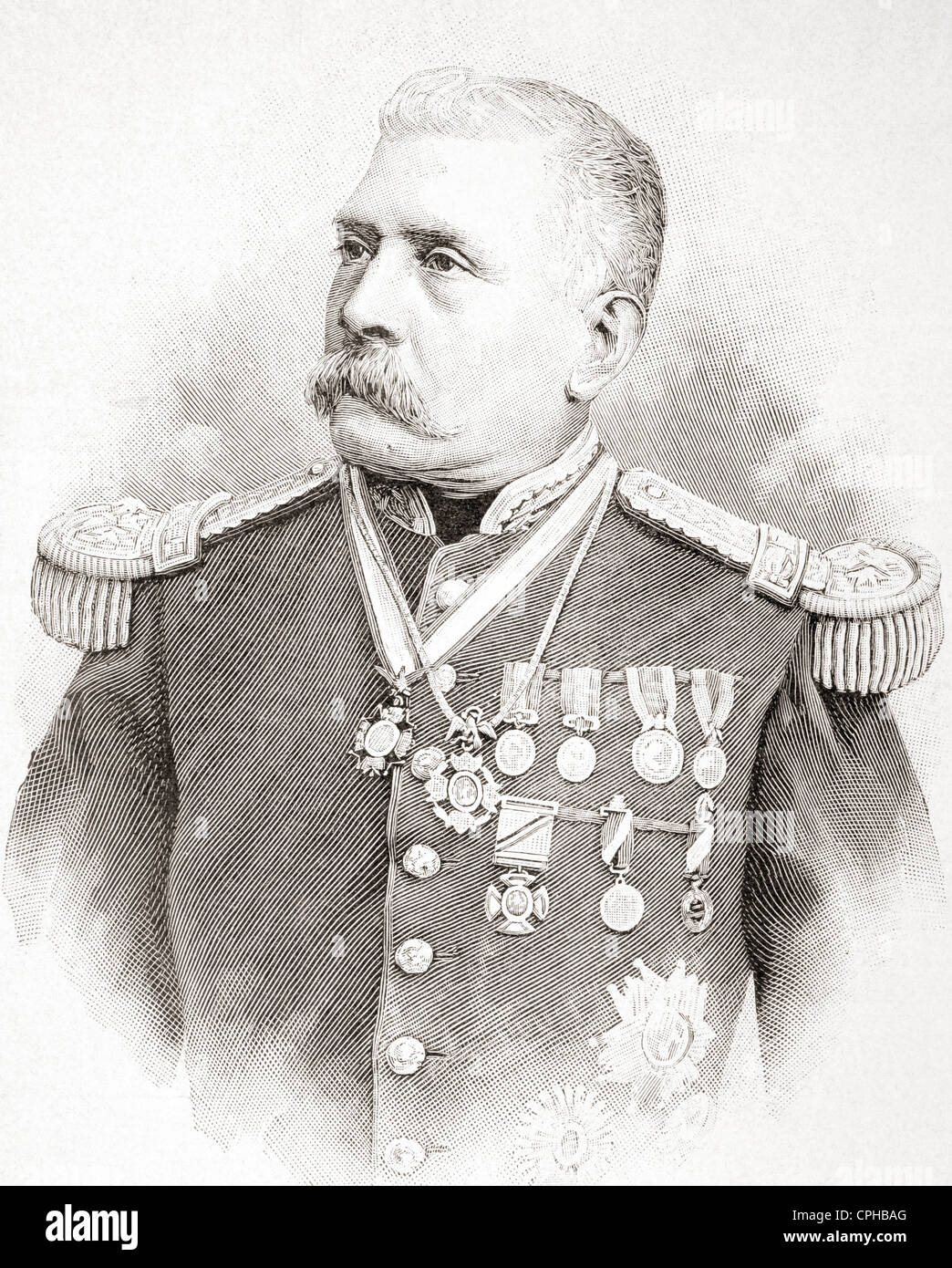
Diomedes Díaz
 Colombia
Also known as: El Cacique de La Junta, King of Vallenato
Birthday
May 26, 1957
Birth Sign
Gemini
Birthplace
San Juan del Cesar, Colombia
Age
Died at 56
About
Diomedes Díaz was a highly influential Colombian vallenato singer and composer, widely known as the "King of Vallenato." Fans affectionately called him "El Cacique de La Junta," a title given by fellow singer Rafael Orozco. His distinctive voice and engaging stage presence made him a beloved figure across Colombia. Díaz achieved immense popularity throughout his decades-long career, selling over 20 million records and earning multiple gold, platinum, and diamond certifications. He passed away on December 22, 2013, at the age of 56, leaving behind a significant musical legacy that continues to resonate with his dedicated fanbase.
Early Life & Background
Diomedes Díaz Maestre entered the world on May 26, 1957, in San Juan del Cesar, a municipality nestled in the La Guajira Department of Colombia. Details about his early childhood and formal education are not widely publicized, but it was during these formative years that the foundations for his future in music were undoubtedly laid. Growing up in a region deeply steeped in vallenato traditions, he was immersed in the sounds and rhythms that would define his artistic path. The vibrant cultural landscape of his hometown likely played a significant role in shaping his musical sensibilities, long before he became a national sensation.
His journey into music began with a natural talent for singing and composition. From humble beginnings, Díaz developed a powerful, distinctive voice and a charismatic stage presence that would eventually captivate audiences for over four decades. While the exact moment of his breakthrough into professional music is not precisely detailed, his innate connection to vallenato music propelled him forward. He started performing and writing, steadily building a reputation in local circles before ultimately becoming one of the most recognizable voices in Colombian music. This early period was marked by a steady dedication to his craft, honing the skills that would later earn him the title of "King of Vallenato."
Career Growth
Diomedes Díaz's career truly took flight as he established himself as a dominant force in vallenato music, a journey that saw him release numerous popular albums and achieve unparalleled commercial success. Over his four-decade-long career, he sold more than 20 million records, earning gold, platinum, and diamond certifications. This level of commercial achievement was unmatched in Colombia until 2008, underscoring his immense popularity and impact.
A significant milestone arrived in 2010 when Díaz won a Latin Grammy for Best Cumbia/Vallenato Album for his work on Gracias Abuelo. His discography included many fan favorites, such as the hit song "La Plata de mi Madriguera" and the widely popular album Con Mucho Gusto. His compositions consistently captured the essence of Colombian life, which helped him connect deeply with listeners. Just days before his passing in December 2013, he released a new album, a final testament to his enduring dedication to his art. Even after his death, his influence continued, with the Netflix documentary Broken Idol: The Undoing of Diomedes Díaz chronicling his rise and later challenges.
Career Timeline
Public Image & Style
Diomedes Díaz cultivated a public image defined by his distinctive, powerful voice and a captivating presence on stage. He was perceived by both media and fans as one of Colombia's most iconic and popular vallenato musicians. His music served as a mirror to Colombian life, reflecting its joys, sorrows, and everyday experiences, which allowed audiences to forge a deep, personal connection with his work. Fans, who proudly called themselves "diomedistas," formed a passionate community around his artistry, and he affectionately acknowledged them as his "fanaticada." His appeal lay not just in his musical talent but also in his ability to embody the soul of vallenato, creating a persona that felt authentic and relatable to millions.
Fame & Fandom (iFAMOUS Rankings)
Diomedes Díaz's fanbase is a living organism, pulsing through social media, tribute accounts, and annual remembrance rituals. There is no formal fandom name; followers simply rally around the moniker "El Cacique de La Junta," a title that carries the weight of his legacy. The official Instagram account @diomedesdiazvive, supported by Sony Music Colombia, posts "Recuerdos dinastía" and memorial content on his death anniversary and birthday, keeping the flame alive. Fans have mobilized for institutional honors, launched petitions (including one to feature him on The Simpsons), and championed the Netflix documentary that premiered in March 2022. His music remains a commercial powerhouse, with over 20 million records sold, and his catalog thrives on streaming platforms. The fanbase is not just devoted; it is intergenerational, with modern vallenato stars like Silvestre Dangond citing Díaz as a shaping influence.
Yet, despite this passionate following, iFANN's Global Fame Engine has evaluated Diomedes Díaz and found that he does not currently hold a placement in its published rankings. As of August 2026, he remains unranked in both the Global Top 1,000 and any Top-100 scope list. This absence from the rankings is a neutral observation, not a judgment on his enduring cultural impact. His fame, however, is undeniable in the hearts of his fans, even if the global metrics have not yet placed him among the numerically top-ranked.
Interesting Facts and Legends
Diomedes Díaz was affectionately known as "El Cacique de La Junta," a nickname bestowed by fellow vallenato singer Rafael Orozco, reflecting his revered status and his connection to his hometown. His devoted followers proudly identified themselves as "diomedistas," a reflection of their deep loyalty, and Díaz often referred to them as his "fanaticada." His music frequently explored themes of Colombian daily life, fostering a strong personal bond with his audience.
One of the most retold stories involves the statue erected in his honor, which has been repeatedly vandalized and beheaded since its installation, a darkly comic saga that mirrors the nation's divided feelings about him. Another legend, widely repeated in media and fan circles, claims he fathered 28 children with many different women, a number that became part of his mythological persona as a patriarch of a sprawling dynasty. These stories, whether verified or folkloric, continue to fuel the complex legacy of the man they called the King of Vallenato.
Family & Personal Life
Diomedes Díaz was born to parents Rafael María Díaz and Elvira Maestre. While specific details about his siblings are not widely available, he grew up in a family rooted in the traditions of San Juan del Cesar, Colombia. Díaz was known to be a father, though the names and specific number of his children have not been publicly detailed. His family life, like much of his personal journey, remained largely private despite his immense public fame. The cultural environment of his upbringing undoubtedly shaped his artistic expression and his connection to the vallenato genre.
Notable Connections
Diomedes Díaz shared a significant connection with fellow vallenato singer Rafael Orozco Maestre. It was Orozco who famously bestowed upon Díaz the enduring nickname "El Cacique de La Junta," a title that became synonymous with Díaz's identity and legacy in Colombian music. This friendly acknowledgment from a contemporary artist highlighted Díaz's rising prominence and the mutual respect within the vallenato community during their careers.
Relationships & Dating History
Details about Diomedes Díaz's romantic relationships are not extensively documented in public records. While it is known that he was a father, specific information regarding his partners, marriages, or divorces remains largely private. His public life primarily centered on his prolific musical career and his deep connection with his fans. At the time of his death in December 2013, his relationship status was not widely reported or confirmed, leaving much of his personal romantic history out of the public eye.
Death & Aftermath
Died
December 22, 2013 (aged 56)
Death Place
Barranquilla, Atlántico, Colombia
Cause of Death
Acute myocardial infarction
Diomedes Díaz died on December 22, 2013, at San Carlos Hospital in Barranquilla, Colombia. He collapsed shortly after returning home from a concert performance and was found unconscious before medical staff ruled the cause as an acute myocardial infarction. There were no confirmed reports of a struggle or foul play during these final hours, and the death was treated as a natural event by local authorities.
The funeral for Diomedes Díaz took place on December 23, 2013, the day after his death, in Barranquilla. The service was a public event that drew an estimated crowd of thousands, making it one of the largest funerals in recent Colombian history. Notable attendees included fellow musicians, government officials, and thousands of grieving fans. Colombian President Juan Manuel Santos publicly honored him, calling him a genius and a symbol of Colombian culture. Tributes poured in from peers across the music industry, with many noting his unparalleled contribution to vallenato music, having sold over 20 million records. Fan vigils and gatherings occurred in various cities across Colombia, and memorial murals were erected in his honor, particularly in his hometown of San Juan del Cesar and in Barranquilla.
In the posthumous era, Diomedes Díaz's estate has continued to generate revenue through the release of new albums and compilations, including Diomedes Diaz: 25 de Diciembre released in late 2024. A major documentary titled Diomedes: The Idol, the Mystery and the Tragedy premiered on Netflix on March 30, 2022, exploring his rise to fame, his controversial lifestyle, and the mystery surrounding his death. Additionally, a statue of Díaz was erected in northern Colombia, though it has faced damage from reckless fans, highlighting the enduring but sometimes chaotic nature of his legacy. Regarding his family, Díaz acknowledged 13 mothers and fathered approximately 28 children, a fact that has been central to discussions about his estate and family dynamics. The handling of his estate remains a private matter for his family, though his music continues to be managed by Sony Music Colombia.
Net Worth (Estate Value)
$10 Million
iFANN Editorial Team estimate
iFANN currently estimates that Diomedes Díaz left behind an estate valued at $10 Million at the time of his passing. His wealth primarily stemmed from a highly successful music career that spanned over four decades. During his lifetime, he sold more than 20 million records, a monumental achievement that generated significant income from album sales, concerts, and royalties. His prolific output and enduring popularity ensured a steady stream of earnings throughout his active years.
Following his death in 2013, his estate continued to generate revenue through posthumous releases, licensing of his extensive music catalog, and merchandise. His music remains available on various digital platforms, including Spotify and YouTube, contributing ongoing royalties to the estate. The Netflix documentary Broken Idol: The Undoing of Diomedes Díaz also brought renewed attention to his work, potentially boosting streaming and sales figures. As of 2026, the management of his estate focuses on preserving his musical legacy and maximizing its commercial potential through these diverse income streams, maintaining its value for his heirs.
Awards Won (2)
Diomedes Díaz received significant recognition for his contributions to vallenato music, culminating in a prestigious Latin Grammy Award. He won this accolade in 2010 for Best Cumbia/Vallenato Album, honoring his work on the album Gracias Abuelo. This award underscored his artistic excellence and cemented his status as a celebrated figure in Latin music.
2010 · Best Cumbia/Vallenato Album
Gracias Abuelo
2010
Listo Pa' la foto
Known For
Gracias Abuelo
2010 · Performer/Composer
La Plata de mi Madriguera
· Performer/Composer
Con Mucho Gusto
· Performer/Composer
Broken Idol: The Undoing of Diomedes Díaz
2020 · Subject
Keywords
Sources
Quick Facts
- Profession
- singer, composer
- Born
- May 26, 1957
- Birthplace
- San Juan del Cesar, Colombia
- Died
- December 22, 2013
- Death Place
- Valledupar, Colombia
- Gender
- Male
- Birth Sign
- Gemini
Personal Details
- Full Name
- Diomedes Díaz Maestre
- Children
- Education
Frequently Asked Questions
Who was Diomedes Díaz?
When did Diomedes Díaz pass away?
What was Diomedes Díaz's net worth at the time of his death?
What was Diomedes Díaz best known for?
What awards did Diomedes Díaz win?
Social Media
Join the community
fans discussing