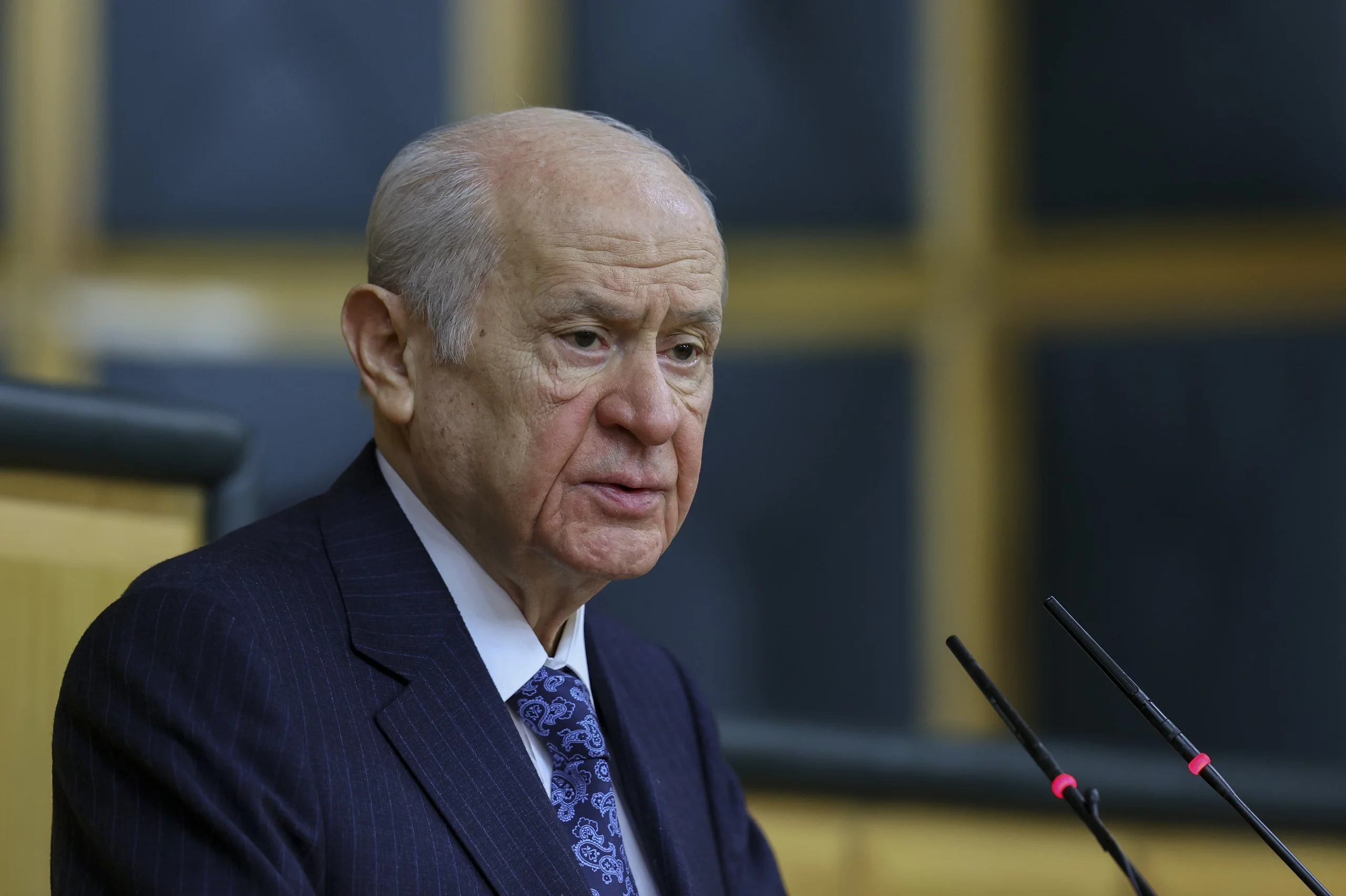
Devlet Bahçeli
 Turkey
Also known as: Bahçeli, Dr. Devlet Bahçeli
Birthday
January 1, 1948
Birth Sign
Capricorn
Birthplace
Bahçe, Osmaniye, Turkey
Age
78 years old
About
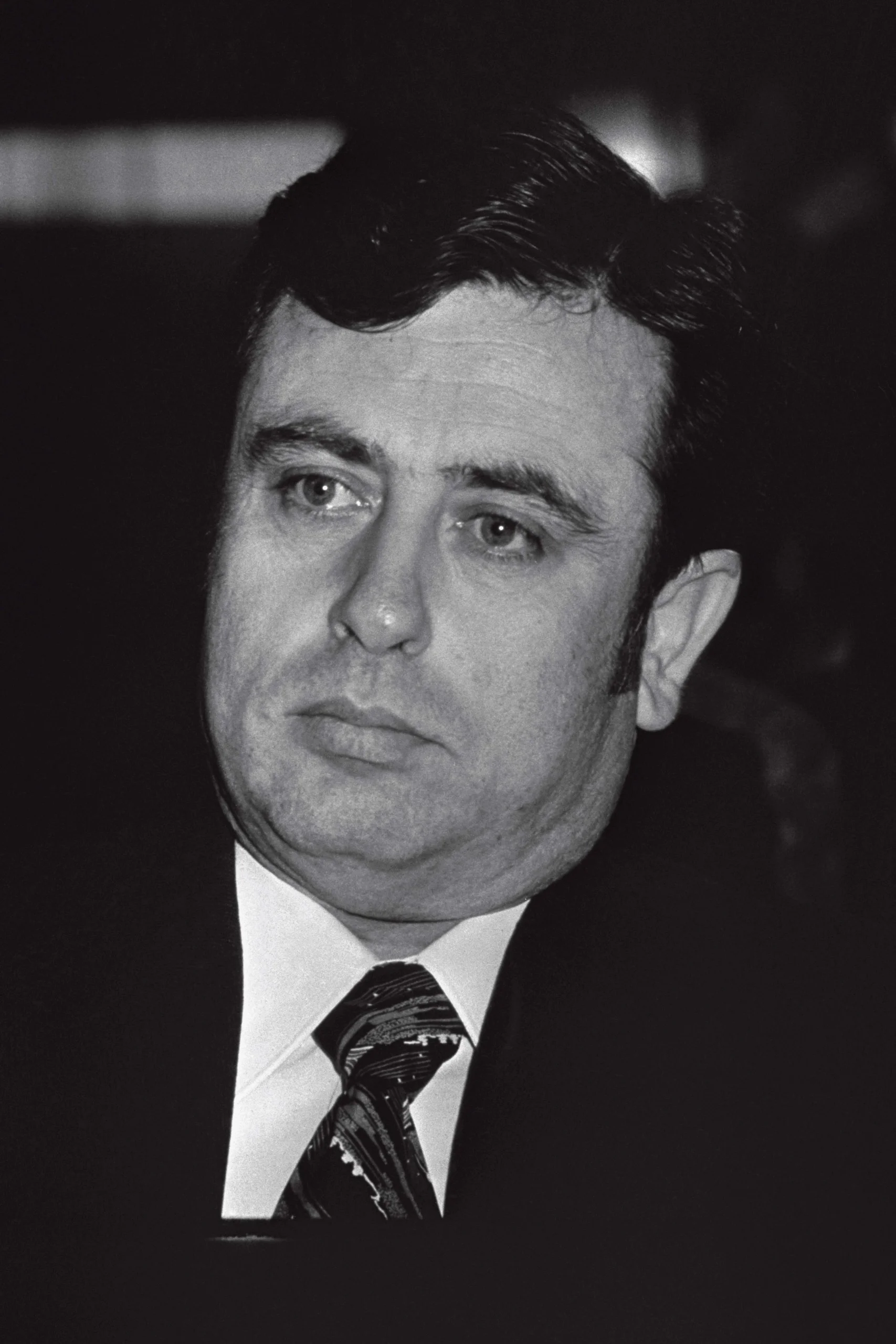
Devlet Bahçeli is a Turkish politician and economist who has served as the chairman of the far-right Nationalist Movement Party since 1997. Born in the district of Bahçe in Osmaniye province, he holds a doctorate in economics from Gazi University. His career spans decades of legislative service, including a term as Deputy Prime Minister between 1999 and 2002. He is widely recognized for founding the Grey Wolves organization and for his pivotal role in shaping modern Turkish nationalism.
In recent years, Bahçeli has emerged as a decisive figure in Ankara's political calculus. His influence extends beyond party lines, often determining the stability of coalition governments. While maintaining a hardline public persona for most of his career, his strategic pivot in early 2026 to advocate for the release of jailed Kurdish leaders marked a significant shift in national security policy. This move, alongside his proposal for the Turan Corridor in June 2026, cemented his status as an architect of regional strategy rather than just a domestic opposition leader.
Early Life & Background
Devlet Bahçeli entered the world on January 1, 1948, in the small town of Bahçe within the Osmaniye province. He was born into the Fettahoğulları Turkmen family, with his father Salih working as a farmer and his mother Samiye managing the household. The rural environment of southern Turkey provided the backdrop for his formative years before he moved toward urban centers for higher education. He completed his primary schooling in Osmaniye before relocating to Istanbul to finish his secondary education.
His academic path led him to the Ankara Academy of Economics and Commercial Sciences, where he earned a degree in Foreign Trade. This economic training laid the groundwork for his future political career, blending technical knowledge with nationalist ideology. Afterward, he pursued advanced studies at Gazi University's Institute of Social Sciences, earning a doctorate in economics. During these university years, he became deeply involved in student politics and began organizing around nationalist causes that would eventually lead to the formation of the Grey Wolves movement.
Career Growth
Bahçeli's ascent to national prominence accelerated in 1997 when he succeeded Alparslan Türkeş as the chairman of the Nationalist Movement Party. His leadership style emphasized discipline and ideological purity, revitalizing the MHP after a period of decline. In 1999, he won a seat in the Grand National Assembly representing Osmaniye and quickly rose to become Deputy Prime Minister in a coalition government. His tenure in this high office ended abruptly in 2002 when the MHP failed to cross the 10% electoral threshold, forcing him to resign temporarily from the chairmanship.
He reclaimed the party leadership in 2003 and steered the MHP through a decade of parliamentary representation starting in 2007. A major turning point occurred after the November 2015 elections, where Bahçeli shifted from being a critic of President Recep Tayyip Erdoğan to a key ally. This alliance reshaped Turkey's political landscape and led to the departure of Meral Akşener, who formed the Good Party in 2017. In 2026, Bahçeli executed a bold diplomatic maneuver by calling for the release of Abdullah Öcalan and Selahattin Demirtaş. This decision facilitated the passage of legislation for a terror-free future and unveiled the Turan Corridor project, marking his evolution into a global strategist.
Career Timeline
Public Image & Style
Public perception of Devlet Bahçeli is defined by his image as a stern, disciplined leader rather than a charismatic showman. He projects an aura of authority and strategic depth, often described as a kingmaker who can alter the outcomes of Turkish politics. His rhetoric is typically uncompromising, yet his actions in 2026 demonstrated a willingness to pivot when necessary to achieve broader geopolitical goals. Media coverage focuses heavily on his influence over legislative processes and his role in shaping foreign policy initiatives like the Turan Corridor.
Unlike entertainers, Bahçeli does not rely on viral moments or social media trends to maintain relevance. Instead, his presence is felt through the weight of his decisions in the Grand National Assembly and his interactions with international figures. He commands respect through his longevity and his ability to navigate complex political alliances, particularly his partnership with President Erdoğan.
Fame & Fandom
Devlet Bahçeli commands a presence defined not by adoration but by the weight of political consequence. His audience consists of voters, party members, and geopolitical observers rather than a collective of fans engaging in rituals or chart-topping campaigns. There is no formal name for his supporters; they are citizens and constituents navigating a complex national landscape where his influence often dictates legislative outcomes. The mythology surrounding him is rooted in hard power shifts within Ankara's corridors rather than viral moments on social media platforms.
In early 2026, he orchestrated a dramatic pivot from decades of hardline rhetoric by calling for the release of jailed leaders, a move that rippled through the nation's security apparatus. This was followed by the unveiling of the Turan Corridor plan in June, cementing his role as an architect of pan-Turkic strategy. These events transformed his public image from a static figurehead into an active agent of historical change, yet the reaction remained one of intense scrutiny and debate rather than fanfare. He does not court crowds with charm; he shapes them with policy. According to the iFANN Global Fame Rankings, he holds significant standing among global figures. He is currently the 25th most famous person in Turkey, a position he maintains with steady consistency. This placement reflects a unique form of fame built on authority and impact rather than entertainment.
Interesting Facts and Legends
One of the most defining moments in Devlet Bahçeli's recent history occurred in early 2026 when he publicly called for the release of Abdullah Öcalan and Selahattin Demirtaş. This stance represented a sharp departure from his previous hardline position and paved the way for the May 2026 proposals granting Öcalan peace process coordinator status. By August 2026, this effort culminated in the passing of landmark legislation aimed at creating a terror-free future. Another notable development came in June 2026 when he revealed plans for the Turan Corridor, emphasizing pan-Turkic ambitions regarding the Zangezur region and the TRIPP project.
Beyond his legislative achievements, Bahçeli is recognized as the founder of the Grey Wolves, a nationalist organization with deep roots in Turkish society. His ability to alter the course of legislation remains his most legendary attribute, demonstrating a capacity for strategic adaptation that few politicians possess. While he does not court crowds with charm like traditional celebrities, his influence reshapes the fabric of Turkish politics through policy shifts rather than fanfare.
Notable Quotes
“Milliyetçi Hareket Partisi (MHP) Genel Başkanı”
“Bahçeli says Öcalan should aid 'terror-free Türkiye' initiative”
“MHP leader calls on Israel to stop 'provoking Türkiye'”
“Nationalist leader Bahceli calls for PKK ringleader Ocalan's release under 'right to hope'”
Family & Personal Life
Devlet Bahçeli hails from the Fettahoğulları Turkmen family in the district of Bahçe. His father, Salih Bahçeli, worked as a farmer, while his mother, Samiye Bahçeli, raised the children in their hometown. Information regarding his own marital status or any children he may have is not publicly available in reliable sources. He maintains a private personal life despite his high profile in the public sphere, focusing his energy on his political duties and party leadership.
Notable Connections
Recep Tayyip Erdoğan, Meral Akşener, Alparslan Türkeş, Abdullah Öcalan, Selahattin Demirtaş
Relationships & Dating History
Information regarding Devlet Bahçeli's personal relationships is scarce and largely unverified. Public records do not confirm any marriages, engagements, or long-term partnerships. He has maintained a reputation for keeping his private life separate from his public duties, rarely discussing family matters in interviews or speeches. Despite his high visibility in the political arena, there are no credible reports of romantic entanglements or domestic arrangements. His focus has remained almost exclusively on the Nationalist Movement Party and the broader goals of Turkish nationalism.
While rumors occasionally circulate regarding the personal lives of prominent politicians, none have been substantiated in the case of Bahçeli. As of 2026, his relationship status remains officially unknown, with no confirmed spouse or partner. This privacy stands in contrast to the public nature of his political career, allowing him to operate without the distraction of personal scandals.
Salary, Net Worth In 2026
$5 Million
iFANN Editorial Team estimate
As of 2026, research by the iFANN Editorial Team puts Devlet Bahçeli's fortune at around $5 Million. Unlike business tycoons, his wealth stems primarily from his long-standing salary as a Member of Parliament and his tenure as Deputy Prime Minister. The state provides a stipend for party leaders, which contributes to his overall financial standing. There are no publicly disclosed major business ventures or real estate holdings attributed directly to him, distinguishing his financial profile from many other high-profile politicians who diversify into corporate sectors.
The estimate reflects his accumulation of assets over nearly three decades of public service. While specific details about his investments remain private, his consistent role in the highest levels of government ensures a steady income stream. The figure represents a conservative assessment based on standard compensation packages for Turkish officials of his rank and seniority.
Awards & Accolades
View 6 records, honours and achievementsKnown For
Nationalist Movement Party Chairman
1997 · Leader
Deputy Prime Minister of Turkey
1999 · Government Official
Turan Corridor Proposal
2026 · Strategic Architect
Keywords
Sources
Quick Facts
- Profession
- politician, economist
- Born
- January 1, 1948
- Birthplace
- Bahçe, Osmaniye, Turkey
- Gender
- Male
- Birth Sign
- Capricorn
Personal Details
- Full Name
- Devlet Bahçeli
- Children
- Education
- Ankara Academy of Economics and Commercial Sciences; Gazi University (PhD in Economics)
Frequently Asked Questions
Who is Devlet Bahçeli?
When and where was Devlet Bahçeli born?
What is Devlet Bahçeli's political party?
Is Devlet Bahçeli married?
What are Devlet Bahçeli's recent political actions?
Join the community
fans discussing