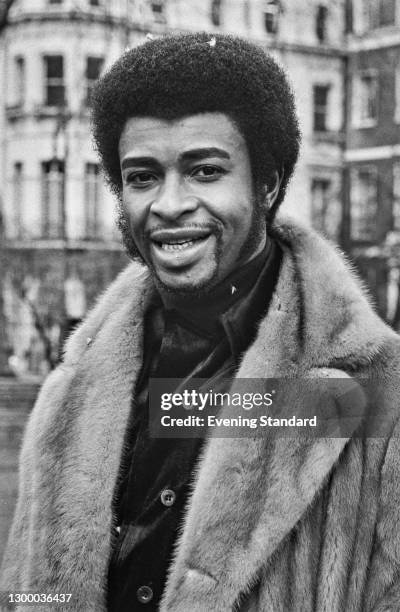
Dennis Edwards
 United States
Member of The Temptations
Birthday
February 3, 1943
Birth Sign
Aquarius
Birthplace
Fairfield, Alabama, USA
Age
Died at 74
Height
5 ft 11 in (180 cm)
About
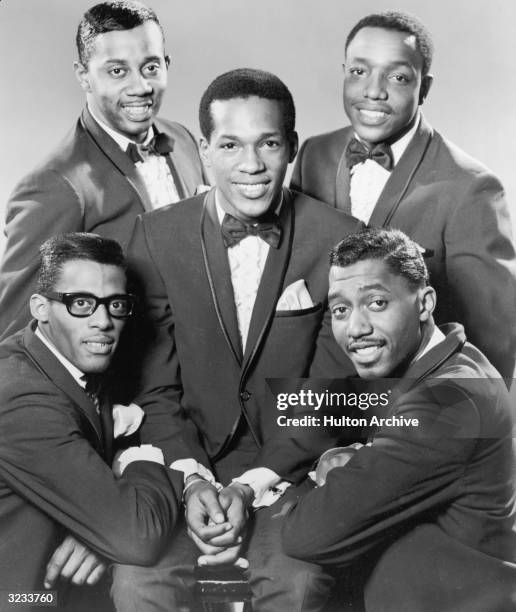
Dennis Edwards was an American soul and R&B singer, best known as a lead vocalist of the legendary Motown group the Temptations. His powerful, gritty tenor voice defined the group during their psychedelic soul era, most famously on the 1972 epic "Papa Was a Rollin' Stone." Edwards joined the Temptations in 1968, replacing David Ruffin, and sang lead on landmark hits including "Cloud Nine" and "Ball of Confusion (That's What the World Is Today)." His arrival marked a shift toward a harder, funk-driven sound that earned the group critical acclaim and a new generation of fans. Beyond the group, Edwards scored a solo hit with "Don't Look Any Further" in 1984 and continued touring with his own ensemble. He was inducted into the Rock and Roll Hall of Fame as a member of the Temptations in 1989. Edwards died in 2018 at age 74, leaving behind a legacy as one of soul music's most commanding voices. His estate continues to manage his musical catalog and legacy, with posthumous releases and tributes keeping his work alive. Edwards remains a celebrated figure in soul music history, recognized for his contributions to the Temptations' evolution and his own solo achievements.
Early Life & Background
Edwards was born in Fairfield, Alabama, a small industrial city near Birmingham. The family moved to Detroit when Dennis was a child, where his father pastored a church. Growing up in a deeply religious household, Edwards began singing gospel music in his father's church choir. He developed his powerful, gritty vocal style in the sanctified setting of Black Pentecostal worship. Edwards attended Detroit's Northwestern High School but left before graduating to pursue music full-time. He later earned his GED. His first professional step came when he joined a local doo-wop group called The Blenders, later renamed The Dynamics. The group recorded a few singles for small Detroit labels but achieved little commercial success. A pivotal moment came when Edwards met Motown songwriter and producer Norman Whitfield. Whitfield was impressed by Edwards' raw, soulful voice and his ability to deliver the harder-edged sound Whitfield was developing for the Temptations. In 1968, Whitfield recommended Edwards to replace David Ruffin, who had been fired due to erratic behavior and missed performances. Edwards auditioned and was hired, joining just as the Temptations were transitioning from their classic soul sound toward psychedelic soul. Edwards' early musical training came entirely from the church, singing in gospel quartets before moving into secular music.
Career Growth
Edwards officially joined the Temptations in 1968. His first recording with the group was "Cloud Nine," which won the group its first Grammy Award. He sang lead on "Run Away Child, Running Wild" (1969), a socially conscious track that became a Top 10 hit. In 1970, the group released "Ball of Confusion (That's What the World Is Today)," with Edwards sharing lead vocals; the song became an anti-war anthem and reached No. 3 on the Billboard Hot 100. Edwards delivered his signature performance on "Papa Was a Rollin' Stone" in 1972, a 12-minute epic that won three Grammy Awards. His gritty, passionate lead vocal became the defining sound of the Temptations' new era. The song reached No. 1 on both the Billboard Hot 100 and R&B charts. Edwards left the Temptations briefly in 1975 for a solo attempt, signing with Motown's Ariola label but initial releases failed to chart. He rejoined in 1977, left again in 1980, and returned in 1982. In 1984, he launched a successful solo career with the single "Don't Look Any Further," featuring Siedah Garrett. The song reached No. 2 on the R&B charts and No. 72 on the Billboard Hot 100. His self-titled debut solo album followed. Edwards left the Temptations permanently in 1987 after legal disputes over the group's name and touring rights. He formed his own group, Dennis Edwards and the Temptations, which toured extensively. He released the album Wind Beneath My Wings in 1995 and published his autobiography, Dennis Edwards: The Temptations' Last Soul Man, in 2004. Edwards continued performing until health problems slowed his touring schedule. His final performances were in 2017. He died on February 1, 2018, two days before his 75th birthday, from complications of meningitis, with underlying health issues including heart problems and diabetes. Posthumously, his catalog was acquired by Reservoir Media in 2020, and a documentary featuring archival footage was released in 2023.
Career Timeline
Public Image & Style
Edwards was known for his powerful, gritty tenor voice that could shift from smooth crooning to raw, passionate shouting within a single phrase. On stage, he was a charismatic frontman known for energetic dance moves and dramatic delivery. The media often portrayed Edwards as the "unsung hero" of the Temptations, overshadowed by the more famous original members but crucial to the group's evolution. His 1998 portrayal in the NBC miniseries The Temptations (played by actor Christian Payton) revived interest in his story. The Temptations' fan base is vast and spans generations. Edwards had a dedicated following among fans who preferred the group's later psychedelic soul era. No official fandom name exists. The estate's social media posts focus on celebrating Edwards' legacy, sharing archival performances, and promoting reissues. Edwards was known for his signature style, often wearing flashy suits and hats during performances. He maintained a cordial relationship with David Ruffin after replacing him, which was rare among Temptations members.
Fame & Fandom (iFAMOUS Rankings)
Dennis Edwards currently holds no placement in the published Global Top 1,000 or any Top-100 scope list according to iFANN's August 2026 evaluation. While the engine has assessed his standing, he does not appear on the current ranked lists of global celebrities. The fanbase surrounding Edwards carries no formal name distinct from the broader community of Motown and Temptations enthusiasts. Fans generally identify collectively as supporters of the group rather than forming specific sub-factions for individual members like Edwards, David Ruffin, or Otis Williams. There are no records of organized, member-specific campaigns such as fan-funded subway ads, birthday billboards exclusively for him, or charity drives initiated solely under his name. His legacy is primarily sustained through the enduring popularity of The Temptations' catalog, where he is recognized as a pivotal figure who helped define the group's transition into the socially conscious era of the late 1960s and 1970s. Interactions between Edwards and fans were typical of the touring soul artists of his era; he performed at concerts, meet-and-greets, and later, reunion tours. However, specific documented instances of unique fan rituals or inside jokes exclusive to Edwards are not present in the available search results. The most significant interaction regarding his fan base occurred posthumously: following his death in February 2018, fans and fellow musicians rallied to celebrate his life, culminating in a memorial service in Detroit attended by family, friends, and Reverend Jim Holley. The fan campaign that exists today is largely retrospective, focusing on streaming and preserving the tracks where he was the lead vocalist, particularly Papa Was a Rollin' Stone and I Can't Get Next to You, ensuring his contributions remain prominent in the Motown canon.
Interesting Facts and Legends
Edwards was the first lead singer to replace an original Temptation, stepping into the shoes of David Ruffin with immense pressure from fans and critics. He was a licensed pilot who owned a small aircraft to fly between tour dates and a heavy smoker for decades, which contributed to his later health problems. A close friend of Marvin Gaye, he often incorporated gospel elements into his performances as a practicing Christian influenced by Reverend James Cleveland and Mahalia Jackson. He turned down an offer to join Earth, Wind & Fire in the late 1970s and maintained a cordial relationship with Ruffin after replacing him. Standing 5 feet 11 inches tall, he was a passionate golfer who played in celebrity tournaments despite attending Northwestern High School without graduating before earning his GED. The cultural mythology surrounding Edwards centers on his role as the Sixth Temptation. A widely retold story describes his imposing physical presence, with one account from 1977 recalling how he seemed to stand nine feet tall due to his commanding stage persona. His legendary performance on Papa Was a Rollin' Stone remains a central pillar of his fame, cited by critics for its gritty, heartbreaking vocals that transformed the track into a masterpiece of social commentary.
Notable Quotes
“I knew I had big shoes to fill. David was a legend. But I wasn't trying to be David. I was trying to be Dennis, and I hoped that would be enough.”
“When Norman [Whitfield] played me that track, I knew it was special. It was like nothing we'd ever done. I just closed my eyes and sang from my gut. That song became my signature.”
“We weren't just a group. We were a movement. Every song we sang had a message. We were telling the story of Black America through harmony.”
“I've been singing these songs for 50 years, and they still feel fresh. Every time I sing 'Papa,' I feel the same emotion I felt in 1972. That's the power of great music.”
Family & Personal Life
Edwards was the son of Dennis Edwards Sr., a minister, and Ruth Edwards, a homemaker. He had several siblings, though detailed records are limited. Edwards was married four times. His first marriage in the mid-1960s ended in divorce with no reported children. He married Ruth Pointer of the Pointer Sisters in 1970; they had one daughter, Issa Pointer (born 1971), who later became a member of the Pointer Sisters. The marriage ended in divorce in 1974, reportedly due to the pressures of touring and Edwards' infidelity. A second marriage in the late 1970s ended quietly with no known children. Edwards married Brenda Edwards in the mid-1980s; they had at least two children together. Brenda was with Edwards until his death and managed his affairs in his final years. Edwards also had grandchildren. Ruth Pointer later described the marriage as volatile in her autobiography. Edwards' daughter Issa Pointer became a member of the Pointer Sisters in 2009.
Notable Connections
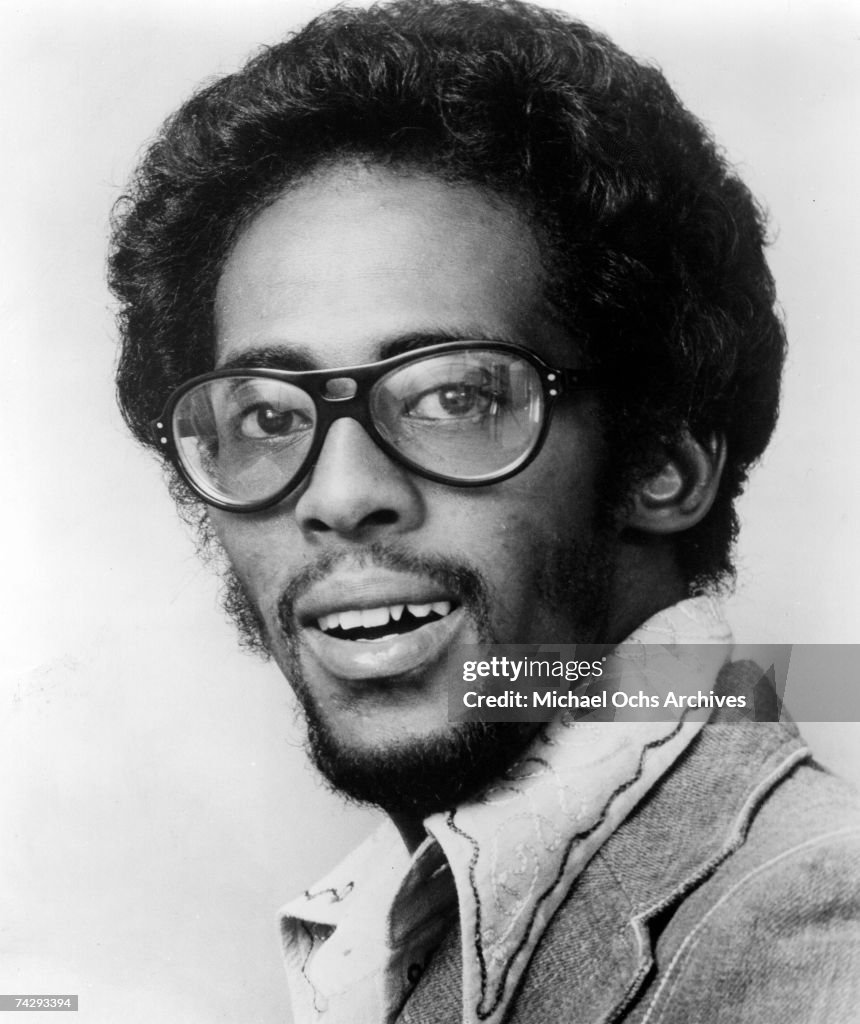
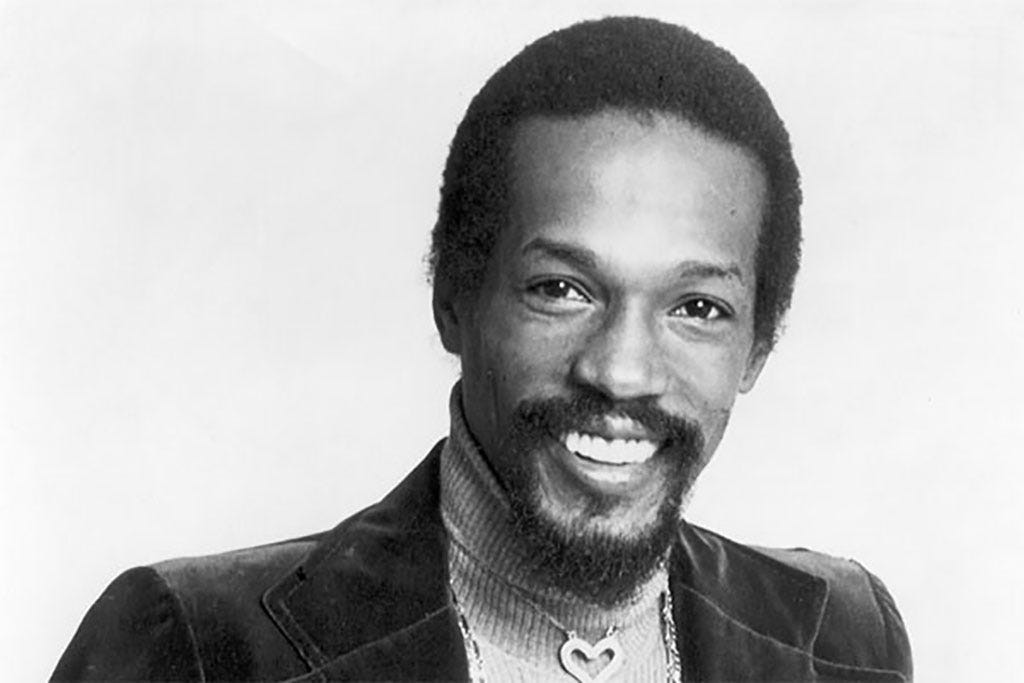
Norman Whitfield, the producer and songwriter who brought Edwards into the Temptations and crafted the psychedelic soul sound. David Ruffin, his predecessor in the Temptations. Eddie Kendricks, a fellow Temptations lead singer during Edwards' tenure. Otis Williams, Temptations founding member and Edwards' bandmate for decades. Ruth Pointer, ex-wife and fellow Motown artist. Siedah Garrett, featured vocalist on Edwards' solo hit "Don't Look Any Further." Paul Riser, arranger on many Temptations recordings.
Relationships & Dating History
Edwards was married four times. His first marriage in the mid-1960s ended in divorce with no reported children. In 1970, he married Ruth Pointer of the Pointer Sisters; the couple had one daughter, Issa Pointer, born in 1971. The marriage ended in divorce in 1974, reportedly due to the pressures of touring and Edwards' infidelity. Ruth later described the marriage as volatile in her autobiography. A second marriage in the late 1970s ended quietly with no known children. Edwards married Brenda Edwards in the mid-1980s; they had at least two children together. Brenda was with Edwards until his death on February 1, 2018, and managed his affairs in his final years. As of 2026, Edwards is deceased; at the time of his death, he was married to Brenda Edwards. He is survived by his widow and children.
- MarriedUnknown1965 - 1969First marriage, ended in divorce; no children reported.
- MarriedRuth Pointer1970 - 1974Married to the Pointer Sisters singer; had one daughter, Issa Pointer; divorced.
- MarriedUnknown1977 - 1982Second marriage after Pointer; ended quietly with no known children.
- MarriedBrenda Edwards1985 - 2018Longest marriage; had at least two children; remained married until Edwards' death.
Death & Aftermath
Died
February 1, 2018 (aged 74)
Death Place
Los Angeles, California
Cause of Death
complications from meningitis
Dennis Edwards, the American soul and R&B singer best known as a lead vocalist for The Temptations, died on February 1, 2018, in Los Angeles, California. He was 74 years old, having been born on February 3, 1943. His death occurred just one day before his 75th birthday. According to his obituary published by The Guardian , the cause of death was complications from meningitis. There were no reports of disputed accounts regarding the date or place of death in the available sources. Public reaction to his death included tributes from peers and institutions recognizing his legacy as a "frontman" for The Temptations and his solo success.
The Guardian noted his tenure with the group from 1968 until 1977 and highlighted his status as a star both as a solo artist and a member of The Temptations and The Contours. Fellow artists, including Siedah Garrett, who collaborated with him on his hit "Don't Look Any Further," later shared stories and reflections on their work together, though specific details of immediate public vigils or chart surges at the moment of death are not detailed in the provided text. Information regarding his funeral or memorial service is not explicitly detailed in the provided search results.
Specific dates, locations, attendees, or whether the service was public or private could not be confirmed from the available snippets. Similarly, details regarding burial or cremation locations were not found in the source material. Posthumously, Dennis Edwards's estate and legacy continue through his recorded music, which remains accessible on platforms like Spotify, Apple Music, and YouTube, with videos such as "Don't Look Any Further" garnering millions of views.
Net Worth (Estate Value)
$2.3 Million
iFANN Editorial Team estimate
iFANN currently estimates Dennis Edwards' estate value at $2.3 Million as of 2026. The bulk of this wealth originated from his decades as a lead singer of the Temptations, generating salaries and royalties from Motown contracts during their peak earning years from 1968 to 1975. Although Motown's royalty structure was notoriously unfavorable to artists, the group's success generated significant income. His solo hit Don't Look Any Further continued to generate royalties from airplay and sales long after its release. Edwards toured consistently from the 1970s through the 2010s, earning performance fees, though his later years saw reduced touring due to health issues. The Temptations' catalog continues to generate licensing revenue for Edwards' estate through film, television, and commercial use. Edwards owned a portion of his songwriting credits, though most Temptations hits were written by Motown staff writers. His widow, Brenda Edwards, manages the estate. Posthumous revenue streams include streaming royalties, licensing of Temptations recordings, and continued use of Papa Was a Rollin' Stone in media. In 2020, the Temptations' catalog was acquired by Reservoir Media for an undisclosed sum, benefiting Edwards' estate. In 2024, the estate authorized a limited-edition vinyl reissue of his solo album. Additional income sources include merchandise sales and residual payments from the 1998 Temptations TV miniseries. Edwards also received a star on the Hollywood Walk of Fame as a member of the Temptations in 1994.
Awards Won (6)
Edwards won three Grammy Awards with the Temptations for "Papa Was a Rollin' Stone" in 1973: Best R&B Performance by a Duo or Group, Best Instrumental Arrangement Accompanying Vocalist(s), and Best Engineered Recording. He was inducted into the Rock and Roll Hall of Fame as a member of the Temptations in 1989. His solo efforts did not win major individual awards, though "Don't Look Any Further" received a Grammy nomination for Best R&B Vocal Performance, Male in 1985.
1973 · Best R&B Performance by a Duo or Group
Papa Was a Rollin' Stone
1973 · Best Instrumental Arrangement Accompanying Vocalist(s)
Papa Was a Rollin' Stone
1973 · Best Engineered Recording
Papa Was a Rollin' Stone
2004 · Lifetime Achievement
The Temptations
Known For
Don't Look Any Further
1984 · Lead vocalist
Wind Beneath My Wings
1995 · Lead vocalist
Dennis Edwards: The Temptations' Last Soul Man
2004 · Author
Keywords
Quick Facts
- Profession
- singer
- Born
- +1943-02-03
- Birthplace
- Fairfield, Alabama, USA
- Died
- +2018-02-01
- Death Place
- Chicago, Illinois, USA
- Gender
- Male
- Spouse
- Brenda Edwards
- Birth Sign
- Aquarius
- Height
- 5 ft 11 in (180 cm)
Personal Details
- Full Name
- Dennis Edwards Jr.
- Height
- 5 ft 11 in (180 cm)
- Spouse
- Brenda Edwards
- Children
- Issa Pointer (daughter with Ruth Pointer), two children with Brenda Edwards
- Education
- Attended Northwestern High School, Detroit; earned GED
Frequently Asked Questions
What was Dennis Edwards' net worth when he died?
Was Dennis Edwards married to Ruth Pointer?
How many children did Dennis Edwards have?
Why did Dennis Edwards leave the Temptations?
What song did Dennis Edwards sing lead on?
Social Media
Join the community
fans discussing