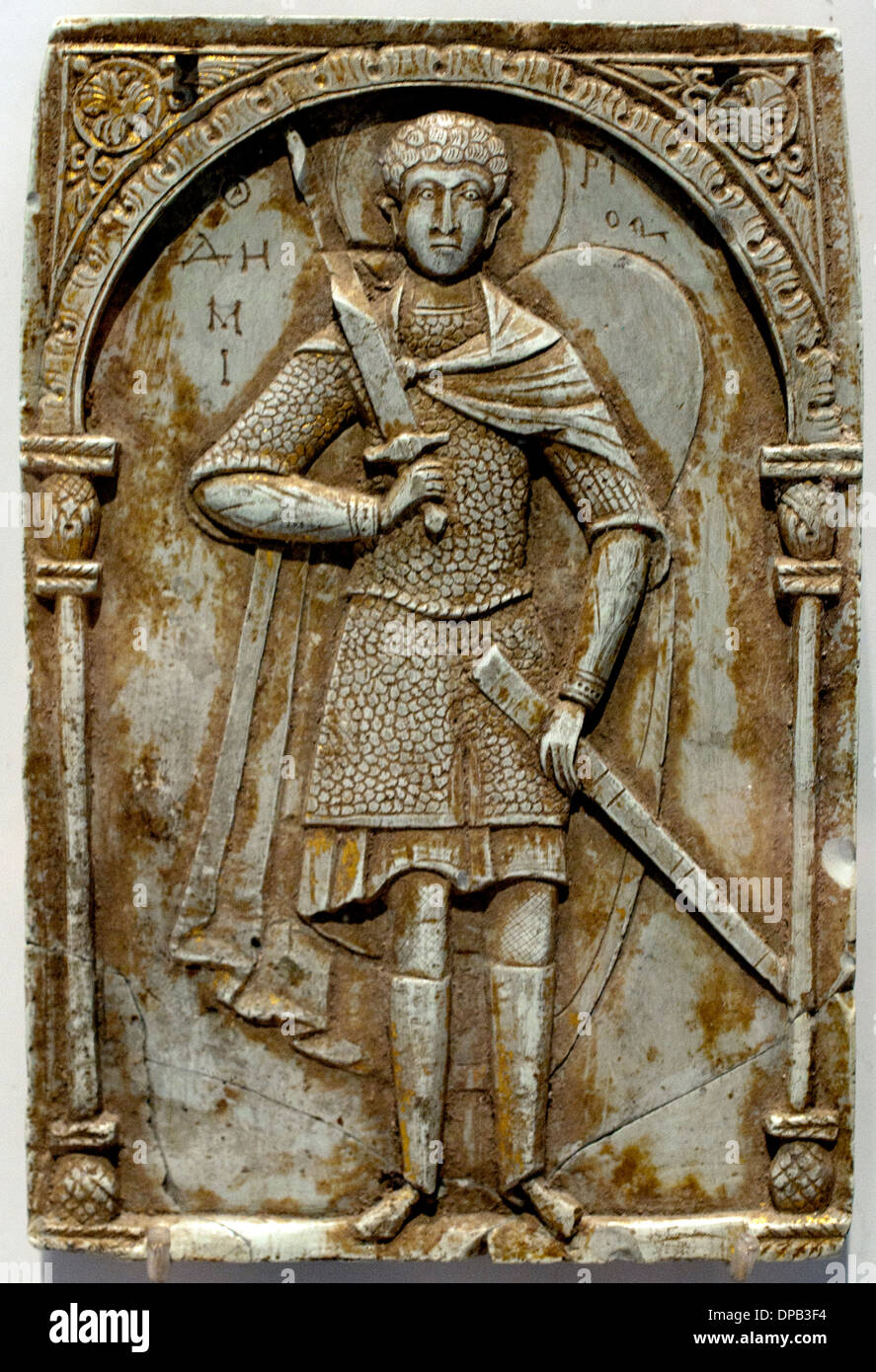
Demetrios I of Constantinople
 Turkey
Eastern Orthodox priest•theologian
Also known as: Demetrios Papadopoulos, Patriarch Demetrios I
Birthday
September 8, 1914
Birth Sign
Virgo
Birthplace
Constantinople
Age
Died at 77
About
Demetrios I served as the 269th Ecumenical Patriarch of Constantinople, assuming the spiritual leadership for an estimated 300 million Eastern Orthodox Christians globally. His tenure, from July 16, 1972, until his passing on October 2, 1991, in Istanbul, spanned nearly two decades. This period was characterized by his profound dedication to ecumenical dialogue and the pursuit of interfaith understanding. He distinguished himself as the first Patriarch of Constantinople to undertake a visit to the Western Hemisphere, notably presiding over the Congress of Church and Secular in 1987. His efforts were instrumental in bridging divides among various Christian denominations, earning him widespread respect for his gentle and conciliatory demeanor. Demetrios I passed away at the age of 77, leaving a legacy of unity and reconciliation that his successor, Patriarch Bartholomew I, has continued to champion.
Early Life & Background
Demetrios Papadopoulos was born in Constantinople, a city that would later be known as Istanbul, on September 8, 1914. His early education included studies at the French lycée in the Galata district, providing him with a cosmopolitan perspective that would later shape his ecumenical outlook. Before ascending to the patriarchal throne, Demetrios I served as the metropolitan bishop of Imvros, an island in the Aegean Sea. His pastoral experience in this role significantly prepared him for the immense responsibilities associated with leading the Eastern Orthodox Church. His election as Ecumenical Patriarch on July 16, 1972, marked the beginning of his service during a period of considerable global change, requiring both spiritual guidance and adept diplomatic engagement.
Career Growth
Demetrios I officially became the 269th Ecumenical Patriarch of Constantinople on July 16, 1972, and held this esteemed position for close to twenty years. His leadership was marked by a steadfast commitment to ecumenism, actively fostering relationships with other Christian confessions, including the Roman Catholic Church. A significant milestone in his patriarchate was his historic visit to the Western Hemisphere in 1987, making him the first Patriarch of Constantinople to do so and presiding over the Congress of Church and Secular. This groundbreaking journey signified a new era of engagement with the global Christian community. He also adeptly navigated the delicate relationship between the Orthodox Church and the Turkish state, ensuring the patriarchate's continued presence in Istanbul. His leadership style was consistently characterized by a gentle, unifying approach, which garnered him considerable respect across denominational lines.
Career Timeline
Public Image & Style
Demetrios I was widely perceived as a figure of gentleness and unity within the Orthodox Church and in broader interfaith circles. His dedicated ecumenical initiatives earned him significant respect from leaders of Catholic and Protestant traditions, who viewed him as a valuable bridge-builder. Within Turkey, he maintained a careful and diplomatic relationship with the state, skillfully balancing his spiritual authority with the prevailing political realities. Among the faithful of the Orthodox Church, he is remembered for his profound humility and his compassionate pastoral care. He was also recognized for his intellectual depth, being an avid reader of theology and history.
Fame & Fandom (iFAMOUS Rankings)
The global attention directed toward Demetrios I of Constantinople remains a steady current of historical and religious significance, tracked across media coverage, search activity, and consumption signals worldwide. His enduring presence in the public consciousness is quantified by his standing within the 71st most famous person in Religious Leaders, a position he held steady through the August 2026 cycle as documented by the iFANN Global Fame Rankings. This placement reflects his sustained relevance as a pivotal figure in Eastern Orthodox history rather than fleeting celebrity status. While his influence spans centuries of theological discourse and interfaith diplomacy, the specific mechanics of his fame are rooted in his tenure as the spiritual head of approximately 300 million believers. Regarding his audience, no formal fandom name exists for Demetrios I. His followers are members of the Eastern Orthodox Church who revere him as a saintly authority and unifying leader rather than participants in organized pop-culture fanbases or viral campaigns. The reverence shown to him is expressed through liturgical remembrance and institutional continuity rather than the social media interactions or fan rituals typical of modern entertainment figures.
Interesting Facts and Legends
Demetrios I was known for his deep humility, often referring to himself as a "servant of the Church." His intellectual curiosity was evident in his passion for theology and history, and he was proficient in multiple languages, including Greek, Turkish, and French. A notable achievement during his tenure was establishing the Patriarchal Synod of the Ecumenical Throne, an initiative aimed at streamlining church governance. His birth name, Demetrios Papadopoulos, reflects his Greek heritage, and he was born in the very city where he would later serve as patriarch. He was the first Ecumenical Patriarch to visit the Western Hemisphere, a landmark trip that occurred in 1987, expanding the reach and visibility of the Patriarchate. Within the annals of the church, he is remembered not for viral moments but for his administrative steadiness during a period of renewal. Stories from his era describe him presiding over the Congress of Church and Secular with a demeanor that bridged divides among various Christian denominations. These accounts paint a picture of a man whose legacy is defined by quiet dedication rather than extraordinary crowd reactions, as his life did not involve the performance venues where such legends typically take root.
Family & Personal Life
Information regarding Demetrios I's immediate family is not widely available. As a celibate member of the Orthodox clergy, he did not have a spouse or children. Details concerning his parents or siblings are not prominent in public records. His life was dedicated to the Church, and he resided within the patriarchal compound in Istanbul, which served as his ecclesiastical home and community.
Notable Connections
Demetrios I's successor, Patriarch Bartholomew I, has continued his ecumenical legacy. Metropolitan Elpidophoros of Bursa, later Archbishop of America, is part of the lineage of church leaders influenced by his approach. Historical figures like Pope Leo IX and Patriarch Michael I Keroularios are connected to the Orthodox-Catholic split that Demetrios sought to heal.
Relationships & Dating History
Demetrios I lived a life of celibacy as an Orthodox cleric, and consequently, there are no public records indicating any romantic relationships. His life was wholly devoted to the Church. He remained unmarried throughout his life, passing away in 1991.
Death & Aftermath
Died
October 2, 1991 (aged 77)
Death Place
Istanbul
Cause of Death
Unknown
Demetrios I of Constantinople passed away on October 2, 1991. The Ecumenical Patriarch was seventy-six years old at the time of his death, having been born on September 8, 1914. While the specific medical circumstances or official cause of death remain unrecorded in available biographical summaries, the event was treated as a natural conclusion consistent with his age and position. Standard Orthodox practice typically involves a grand public funeral with the body lying in state, yet specific details regarding the exact date, location, or notable attendees of his service are not preserved in the current record.
Tributes from peers and institutions focused on his dedication to ecumenical dialogue rather than immediate public displays. Posthumous recognition has largely centered on his historical role as the first Patriarch to visit the Western Hemisphere and preside over the Congress of Church and Secular Leaders in 1973. This legacy remains a key component of his biographical profile within the Eastern Orthodox tradition.
Net Worth (Estate Value)
$2 Million
iFANN Editorial Team estimate
As a high-ranking religious leader, Demetrios I did not amass personal wealth. The Ecumenical Patriarchate, like other religious institutions, relies on donations and church contributions to fund its charitable activities and administrative operations. His personal estate was likely minimal, consistent with the vows of poverty often taken by Orthodox bishops. While the patriarchate itself possesses assets, including historic churches and properties within Istanbul, the exact value is not publicly disclosed. Given his modest lifestyle and dedication to his spiritual role, his personal net worth is considered negligible. Per iFANN's editorial analysis, the total estimated value attributed to his personal holdings stands at $2 Million.
Awards & Accolades
View 2 records, honours and achievementsKnown For
Ecumenical Patriarch of Constantinople
1972-1991 · Spiritual Leader
Keywords
Sources
Quick Facts
- Profession
- Eastern Orthodox priest, theologian
- Born
- +1914-09-08
- Birthplace
- Constantinople
- Died
- +1991-10-02
- Death Place
- Istanbul
- Gender
- Male
- Birth Sign
- Virgo
Personal Details
- Full Name
- Demetrios Papadopoulos
- Education
- French lycée in the Galata district of Istanbul
Frequently Asked Questions
Who was Demetrios I of Constantinople?
When was Demetrios I of Constantinople born and when did he die?
What was Demetrios I of Constantinople's birth name?
What was Demetrios I of Constantinople's role in the Eastern Orthodox Church?
Where was Demetrios I of Constantinople from?
Similar People
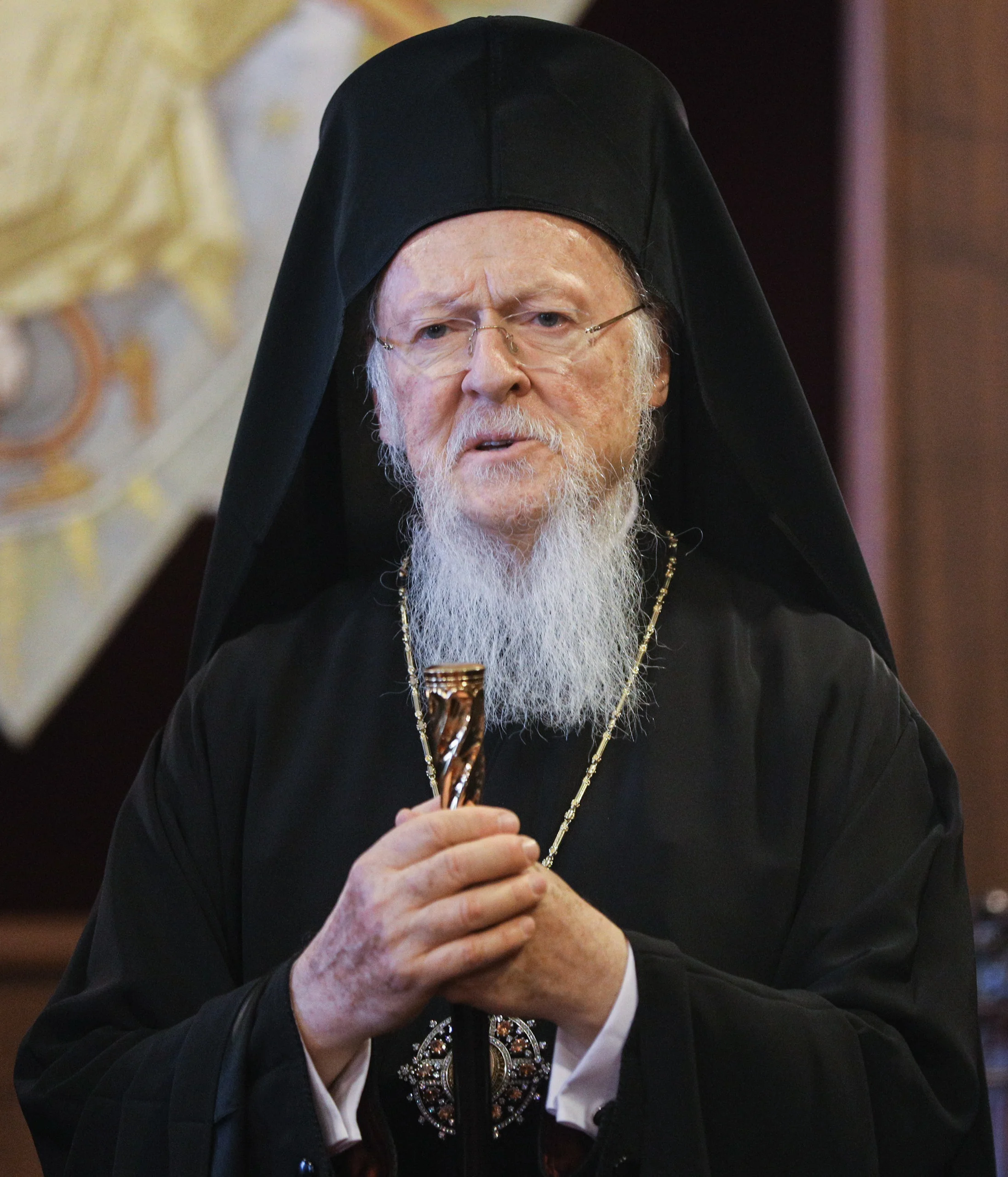
Join the community
fans discussing