 Canada
“It's a show that trusts its audience to handle complex issues, and that's a rare and valuable thing.”
Emily Nussbaum
The New Yorker
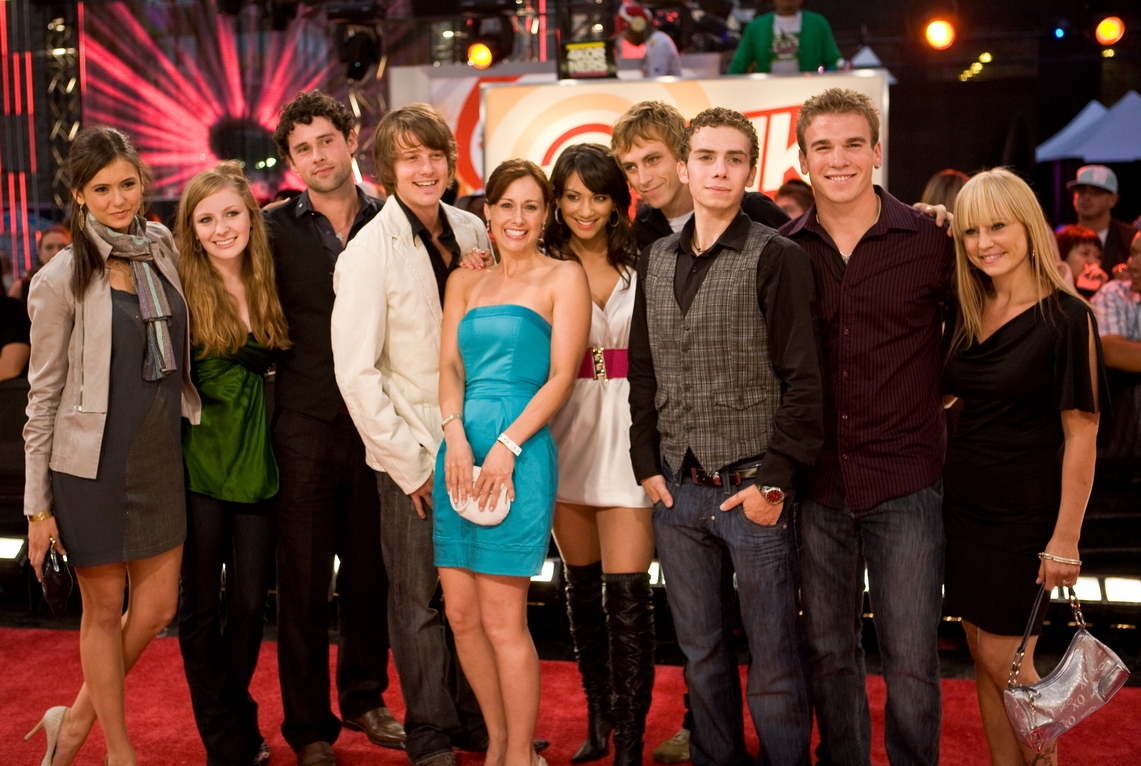
For 14 years, Degrassi Community School was the fictional Toronto high school where teenagers faced everything from first crushes to the darkest corners of adolescence. Created by Linda Schuyler and Yan Moore, this Canadian drama aired on Much, CTV, and MTV Canada from 2001 to 2015, spanning 15 seasons and 376 episodes. The show followed a rotating cast of students, including Clare Edwards (Aislinn Paul), Drew Torres (Luke Bilyk), and Imogen Moreno (Cristine Prosperi), as they navigated friendships, family, and identity. Unlike many teen soaps that leaned into fantasy, Degrassi grounded its stories in real issues: cyberbullying, sexual assault, mental illness, and poverty. It never shied away from consequences, and that honesty earned it a devoted audience and a 7.6 rating from viewers who appreciated its rawness. The series balanced melodrama with genuine heart, making it a touchstone for teens who saw their own struggles reflected on screen. Each 22-minute episode packed a punch, and the show's willingness to let characters fail, grow, and change kept viewers hooked for over a decade.
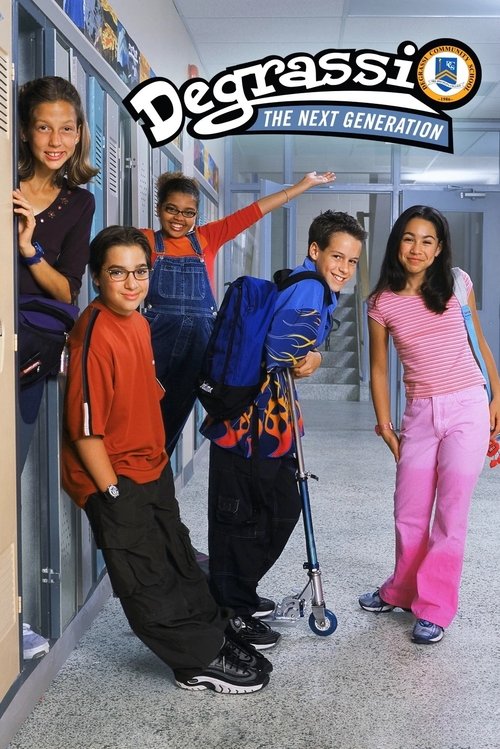
Degrassi's roots stretch back to 1979 with The Kids of Degrassi Street, followed by Degrassi Junior High and Degrassi High in the late 1980s. The Next Generation, launched in 2001, directly continued that legacy by featuring children of the original characters, such as Emma Nelson, daughter of Spike, and Craig Manning, stepson of Joey Jeremiah. This intergenerational link gave longtime fans a sense of continuity while attracting new viewers. The show's production company, Epitome Pictures, filmed on location in Toronto, using real school exteriors and a practical set that lent authenticity. Over its run, the series tackled more than 100 distinct storylines, often inspired by letters from viewers and current events. It also launched the careers of actors like Drake, who played Jimmy Brooks, and Nina Dobrev, who appeared in season six before finding fame on The Vampire Diaries.
What set Degrassi apart was its commitment to showing the messy, unresolved nature of real life. Characters didn't bounce back from trauma in a single episode; they carried scars and made mistakes. The show also broke ground with its portrayal of LGBTQ+ characters, including Marco Del Rossi, one of the first openly gay teen characters on television, and Adam Torres, a transgender male character played by Jordan Todosey. These storylines were handled with care, earning praise from critics and advocacy groups. The series concluded in 2015 with a finale that looked forward, not back, and was followed by a Netflix continuation, Degrassi: Next Class, which ran for four seasons. Even after its end, Degrassi remains a cultural reference point, with its Instagram account still active and a dedicated fan base that continues to debate which character deserved better.
Set at Degrassi Community School in Toronto, the series follows a rotating ensemble of students as they navigate the turbulent years of adolescence. Each season introduces new faces while tracking the ongoing lives of established characters, creating a web of interconnected stories that unfold across hallways, classrooms, and the local hangout, The Dot. The show's narrative engine is the collision between teenage desires and harsh realities. A character might plan a perfect date, only to face a pregnancy scare; another might seek popularity, only to become a target of cyberbullying. The series never offers easy answers, instead showing characters grappling with choices and living with the outcomes, whether that means failing a class, losing a friend, or finding unexpected strength.
Seasons one through nine, originally broadcast as Degrassi: The Next Generation, centered on the original cast, including Emma Nelson, Manny Santos, and Liberty Van Zandt, whose parents were part of the earlier Degrassi shows. These seasons established the show's signature mix of domestic drama and school politics, with storylines covering everything from eating disorders to cults. In season ten, the series rebranded as simply Degrassi, and a new class of students took the spotlight, including Clare Edwards, Eli Goldsworthy, and Alli Bhandari. This era leaned into serialized storytelling, with multi-episode arcs that built to dramatic midseason finales. The show also expanded its scope, addressing issues like sexting, drug addiction, and the pressures of social media, reflecting the changing landscape of teen life in the 2010s.
Across its 14 seasons, Degrassi maintained a consistent structural rhythm. Each season typically opened with a fresh school term, introduced new conflicts, and built toward a climactic event, such as a school dance, a shooting, or a graduation. The narrative often followed multiple characters simultaneously, weaving their stories together in a way that highlighted how one person's decisions could ripple through the entire community. The show's commitment to realism meant that not every plot resolved neatly; some characters transferred schools, others faced legal consequences, and a few tragically died. This unpredictability kept viewers engaged, as no character was ever truly safe from the consequences of their actions. The series finale, aired in 2015, brought the senior class to graduation, offering a sense of closure while leaving the door open for the future, a future that would be explored in the Netflix sequel Degrassi: Next Class.
Critical Consensus
Degrassi stands out for its unflinching portrayal of teenage life, tackling sensitive and often controversial issues with a rare blend of authenticity and empathy. The series earned acclaim for its realistic dialogue, relatable characters, and commitment to exploring the consequences of adolescent choices, making it a significant voice in teen drama.
“It's a show that trusts its audience to handle complex issues, and that's a rare and valuable thing.”
Emily Nussbaum
The New Yorker
“Degrassi continues to be a benchmark for teen programming, unafraid to delve into the difficult realities faced by young people today.”
Brian Lowry
Variety
“The series excels at depicting the messy, often painful, process of growing up, earning its place as a cultural touchstone for a generation.”
Allison Keene
IndieWire
Aislinn Paul
Clare Edwards
A.J. Saudin
Connor DeLaurier
Demetrius Joyette
Michael 'Mike' Dallas
Writers
Matt Schiller, Scott Oleszkowicz, Zoe Whittall
Composers
Tim Welch, Jim McGrath
Producers
Sarah Glinski, Stephen Stohn, Linda Schuyler
Join the community
fans discussing