 Belgium
About
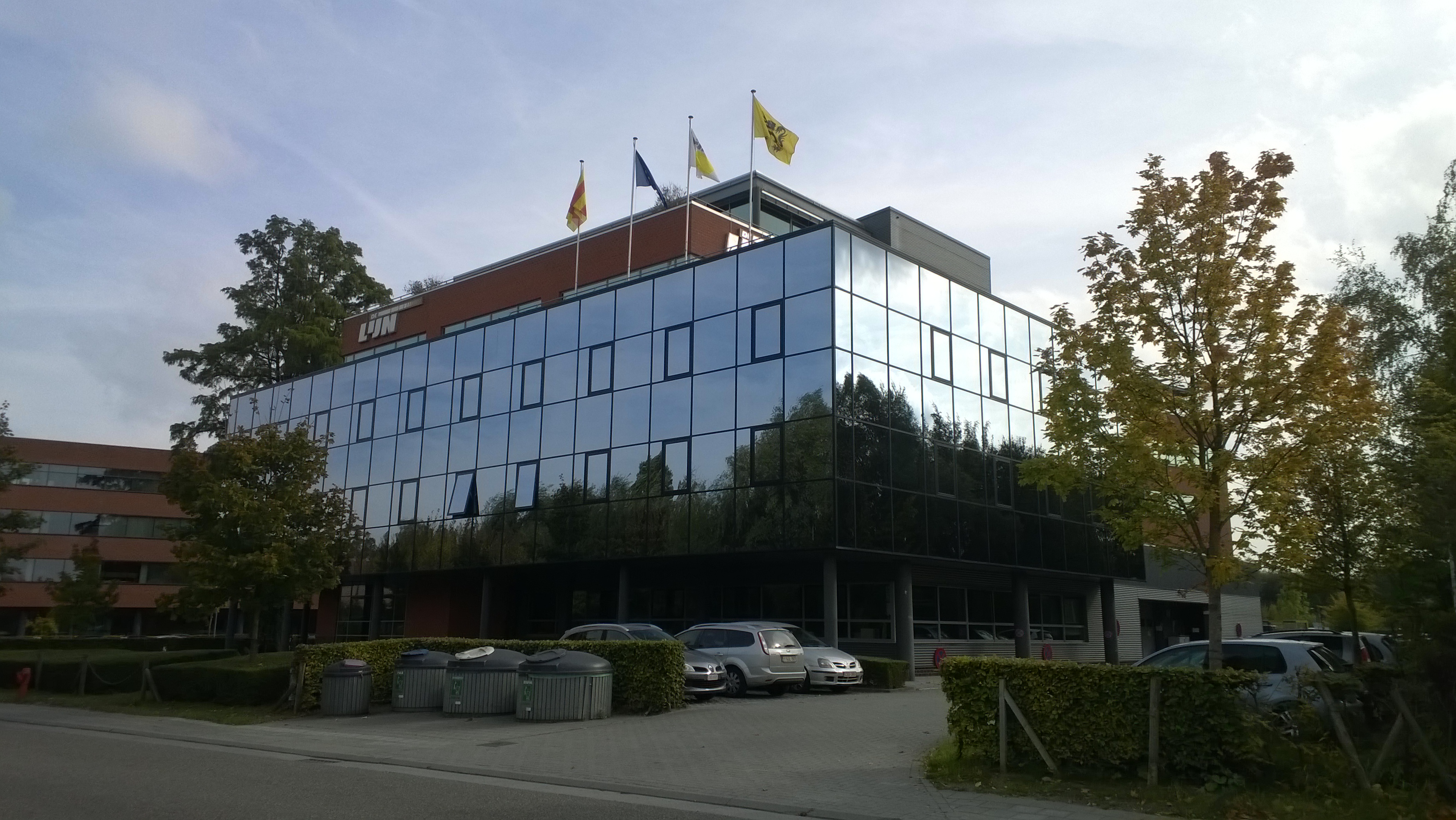
On 31 July 1990 the Flemish government signed De Lijn into existence, folding three older operations into one: Antwerp's MIVA, Ghent's MIVG, and the Flemish half of the national bus and tram company NMVB. The name, which simply means "The Line," was picked for its plainness. Buses rolled out under the new banner in 1991.
The network runs on buses and trams, with underground premetro sections in Antwerp and Ghent and the Kusttram tracing the North Sea coast. That coastal line is among the longest tram routes anywhere. The fleet sits at roughly 2,240 buses and 399 trams. It covers a region of about 6.5 million people and carried 518.8 million passengers in 2016. Headquarters are in Mechelen, and the official site publishes service disruptions and diversions alongside its route planner and mobile app.
De Lijn is not a private brand. It is a government agency of the Flemish government, funded by subsidies plus fare revenue, which means its biggest fights tend to be political ones. Its chief has warned publicly that budget cuts are degrading the service. Union strikes regularly halt buses and trams, and customer reviews on Trustpilot and TripAdvisor lean hard on punctuality and crowding complaints. Marketing is informational rather than aspirational: timetables, alerts, ticketing.
Electrification is the current project. De Lijn marked its 1,000th electric bus entering operation, and major works are set to begin on the Antwerp metro tunnel on 4 May 2026. None of this happens in a vacuum. De Lijn sits beside STIB/MIVB in Brussels and TEC in Wallonia, with separate tickets and separate networks, and it coordinates with regional mobility bodies on projects like the Antwerp works.
Products & Sub-brands
Frequently Asked Questions
Who owns De Lijn?
Who is the CEO of De Lijn?
Is De Lijn still in business?
How does De Lijn differ from STIB/MIVB or TEC?
How do I contact De Lijn or buy tickets?
Keywords
Sources
Company Info
- Founded
- 1990-07-31
- CEO
- Johan Sauwens
- Headquarters
- Mechelen
- Industry
- public transport
- Parent Company
- Flemish government
- Fleet
- About 2,240 buses and 399 trams
- Passengers (2016)
- 518.8 million
- Service area population
- About 6.5 million
- Parent
- Flemish government
- Electrification milestone
- 1,000th electric bus entered operation
Official Website
www.delijn.be/
Join the community
fans discussing