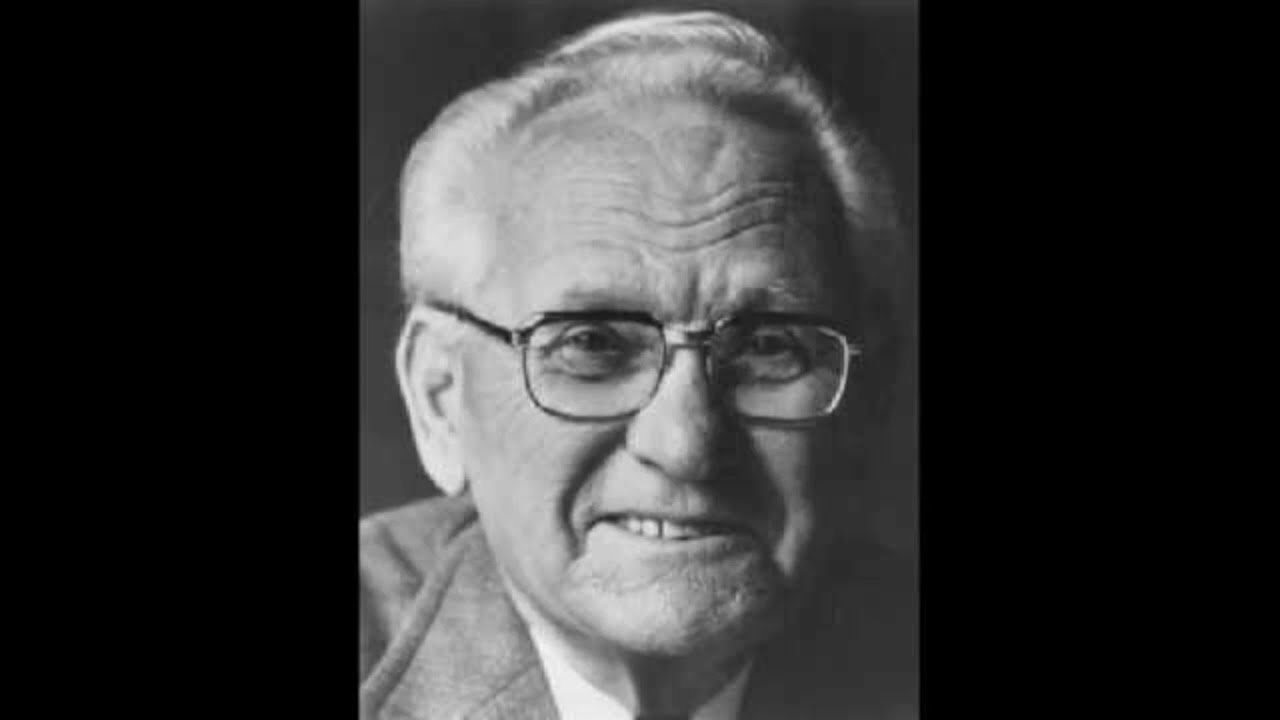
David du Plessis
 South Africa
Also known as: Mr. Pentecost
Birthday
February 7, 1905
Birth Sign
Aquarius
Birthplace
Twenty-four Rivers, near Cape Town, South Africa
Age
Died at 81
About
David Johannes du Plessis was a South African-born Pentecostal minister who became one of the principal architects of the charismatic movement, carrying the experience of baptism with the Holy Spirit into mainstream Protestant and Catholic churches. TIME magazine dubbed him "Mr. Pentecost" in 1961, a title that captured his singular role as a bridge-builder between denominations. He died on February 2, 1987, in Pasadena, California, just five days before his 82nd birthday.
His legacy is defined by his pioneering ecumenical work, which opened doors for Pentecostal participation in broader Christian dialogue. His influence extended into the charismatic renewal that swept through mainline churches, and his sermons and talks remain preserved in archives at Oral Roberts University and elsewhere. For scholars of twentieth-century Christianity, du Plessis stands as one of the most consequential bridge figures of his era, a man whose vision transcended denominational boundaries and left an indelible mark on the global church.
Early Life & Background
Du Plessis was born on February 7, 1905, in a Christian commune called Twenty-four Rivers near Cape Town, South Africa. The commune itself grew out of a revival led by an unnamed evangelist, and its atmosphere of holiness preaching, prayer, and emphasis on the Holy Spirit shaped his earliest years. Growing up in that setting, he absorbed the revivalist fervor that would define his life's work.
Details of his formal education are scarce, but the commune clearly provided his formative spiritual training. He became a Pentecostal minister in South Africa in the early twentieth century, and by the 1920s and 1930s he was already establishing a reputation as a spokesman for the movement. His transition from a local minister to an international figure came gradually, built on his deep conviction that Pentecostal experience belonged not just to a fringe sect but to the whole of Christianity. This conviction would eventually lead him to engage with global ecumenical movements, setting the stage for his later achievements.
Career Growth
Du Plessis's breakthrough as a global figure came in the early 1960s. In 1961, TIME magazine gave him the nickname "Mr. Pentecost," cementing his status as the face of the charismatic movement. The following years brought his most significant achievement: serving as an observer at the Second Vatican Council, a historic first for a Pentecostal minister. His presence at the Council signaled a new openness between Pentecostals and the Catholic Church.
In 1964, he published The Spirit Bade Me Go, a book that articulated his ecumenical vision and was reviewed by Bishop Lesslie Newbigin in Christianity Today. Throughout the 1960s and 1970s, he preached holiness, prayer, and the power of the Spirit across denominational lines, fostering dialogue with Protestant, Catholic, and Orthodox leaders. His influence extended into the growing charismatic renewal that swept through mainline churches, and his sermons and talks were recorded and preserved, ensuring his voice continued to reach new audiences long after his death. His papers, spanning 1900 to 1987, are held in the Online Archive of California, and audio collections at Oral Roberts University's Holy Spirit Resource Center preserve his spoken ministry.
Career Timeline
Public Image & Style
Du Plessis's public image was that of a bridge-builder and ecumenical pioneer. He was known for fostering relationships across Protestant, Catholic, and Orthodox traditions at a time when such dialogue was rare for Pentecostals. The media portrayed him as "Mr. Pentecost," a charismatic figure who carried Pentecostal experience into mainstream churches. His sermons and writings focused on the Holy Spirit, holiness, prayer, and divine healing, and he was respected for his irenic approach and willingness to engage with those outside his own tradition. There was no fandom in the modern sense; his following was within church and theological circles, where he was seen as a unifying figure who broke down barriers. His legacy is commemorated through archival collections and scholarly research, cementing his reputation as a key figure in twentieth-century Christianity.
Fame & Fandom (iFAMOUS Rankings)
David du Plessis, the South African-born Pentecostal minister who became a bridge between denominations, is not a figure of modern celebrity culture. His legacy is religious and historical, and iFANN's Global Fame Engine has evaluated his profile but he does not currently hold a placement in the published rankings. He is not listed among the Global Top 1,000 or any Top-100 scope list. The fanbase that might surround a historical religious leader is not documented in iFANN data, and there is no evidence of a formal fandom name or organized fan community. His following is found among historians, theologians, and those interested in the charismatic movement, not in the fan-driven campaigns typical of contemporary fame.
Interesting Facts and Legends
Du Plessis was born in a commune called Twenty-four Rivers that grew out of a revival, a detail that shaped his lifelong emphasis on the Holy Spirit. He became a naturalized American citizen after emigrating from South Africa, a journey that mirrored his movement from a national to an international ministry. His papers, spanning 1900 to 1987, are preserved in California archives, including the Online Archive of California, offering scholars a window into his life and work. His book The Spirit Bade Me Go was reviewed by Bishop Lesslie Newbigin, a key figure in ecumenical theology, underscoring the respect he earned across traditions. Du Plessis's nickname "Mr. Pentecost" stuck so firmly that even today, historians and theologians use it as shorthand for his legacy. Additionally, his sermons are available on platforms like SermonIndex, allowing modern audiences to hear his teachings.
Family & Personal Life
Du Plessis was married, though the public record offers little detail about his wife or children. His wife's name is not documented in available sources, and no information about his family life beyond the fact of his marriage has surfaced. Given his death in 1987, he was married at the time of his passing, but the details of his household remain private. His family story is largely absent from the historical record, a contrast to the extensive documentation of his public ministry. This privacy extended to his entire personal life, leaving biographers with little to work with regarding his domestic circumstances.
Notable Connections
Du Plessis's role as a bridge-builder brought him into contact with many ecumenical leaders of his era, including Bishop Lesslie Newbigin, who reviewed his book The Spirit Bade Me Go. His papers are preserved at institutions such as the Online Archive of California and Oral Roberts University, where his audio recordings are held. These archives attest to his wide network and the importance of his work to scholars of the charismatic movement.
Relationships & Dating History
Du Plessis was married, but the public record provides no details about his spouse, the date of their marriage, or any children. As a minister born in 1905 and deceased since 1987, his personal romantic life was never a subject of public documentation. At the time of his death, he was married, though his widow's name is not recorded in available sources. His focus was squarely on his ministry, and his family life remained private. This lack of information is consistent with the overall scarcity of personal details about his life beyond his public career.
Death & Aftermath
Died
February 2, 1987 (aged 81)
Death Place
Los Angeles, California
Cause of Death
reported as natural causes
David Johannes du Plessis, the South African-born American charismatic minister known as "Mr. Pentecost," died on February 2, 1987, in Los Angeles, California, at the age of 81. An account from SpiritBroods describes him whispering prayers for the church and for the world during his final moments, suggesting a peaceful passing consistent with his lifelong ministry.
The global Pentecostal and charismatic Christian communities responded to his passing with tributes that honored his role as one of the principal architects of the charismatic movement. His legacy is commemorated through ongoing references in religious literature, including a chapter dedicated to him by Order Roberts Liardon in the book God's Generals: Movements Of The Spirit. His influence remains cited in reviews of works such as The Spirit Bade Me Go, and his nickname "Mr. Pentecost" persists as a standard identifier in historical accounts of 20th-century Christianity. Specific details regarding the date, venue, or list of attendees for his funeral service are not documented in the record, though his status as a respected leader implies significant participation from within the denomination. Posthumously, David du Plessis has been honored through various books, articles, and educational materials dedicated to his life and work, and he is frequently cited in studies of the early Pentecostal movement in South Africa and its global expansion.
Net Worth (Estate Value)
$1 Million
iFANN Editorial Team estimate
As a mid-twentieth-century minister, David du Plessis did not accumulate the kind of wealth associated with modern televangelists. His income would have come from pastoral work, speaking engagements, and book royalties, but no reliable figures exist for his earnings or estate. He died in 1987, and his estate has not been publicly valued. Per iFANN's editorial analysis, the total value of his estate is estimated at $1 Million. Any other estimate remains speculative, but given his modest lifestyle and the era, this figure aligns with the historical context. His true legacy lies in the archival collections and the ongoing scholarly interest in his life and work, which continue to provide value to researchers and historians.
Awards & Accolades
View 3 records, honours and achievementsKnown For
Charismatic movement
1960s · Principal founder
Second Vatican Council
1960s · Observer
The Spirit Bade Me Go
1964 · Author
Keywords
Sources
Quick Facts
- Profession
- pastor
- Born
- February 7, 1905
- Birthplace
- Twenty-four Rivers, near Cape Town, South Africa
- Died
- February 2, 1987
- Death Place
- Pasadena, California
- Gender
- Male
- Birth Sign
- Aquarius
Personal Details
- Full Name
- David Johannes du Plessis
Frequently Asked Questions
Who was David du Plessis?
Why was David du Plessis called "Mr. Pentecost"?
What did David du Plessis do at the Second Vatican Council?
When and where was David du Plessis born?
When did David du Plessis die?
Join the community
fans discussing