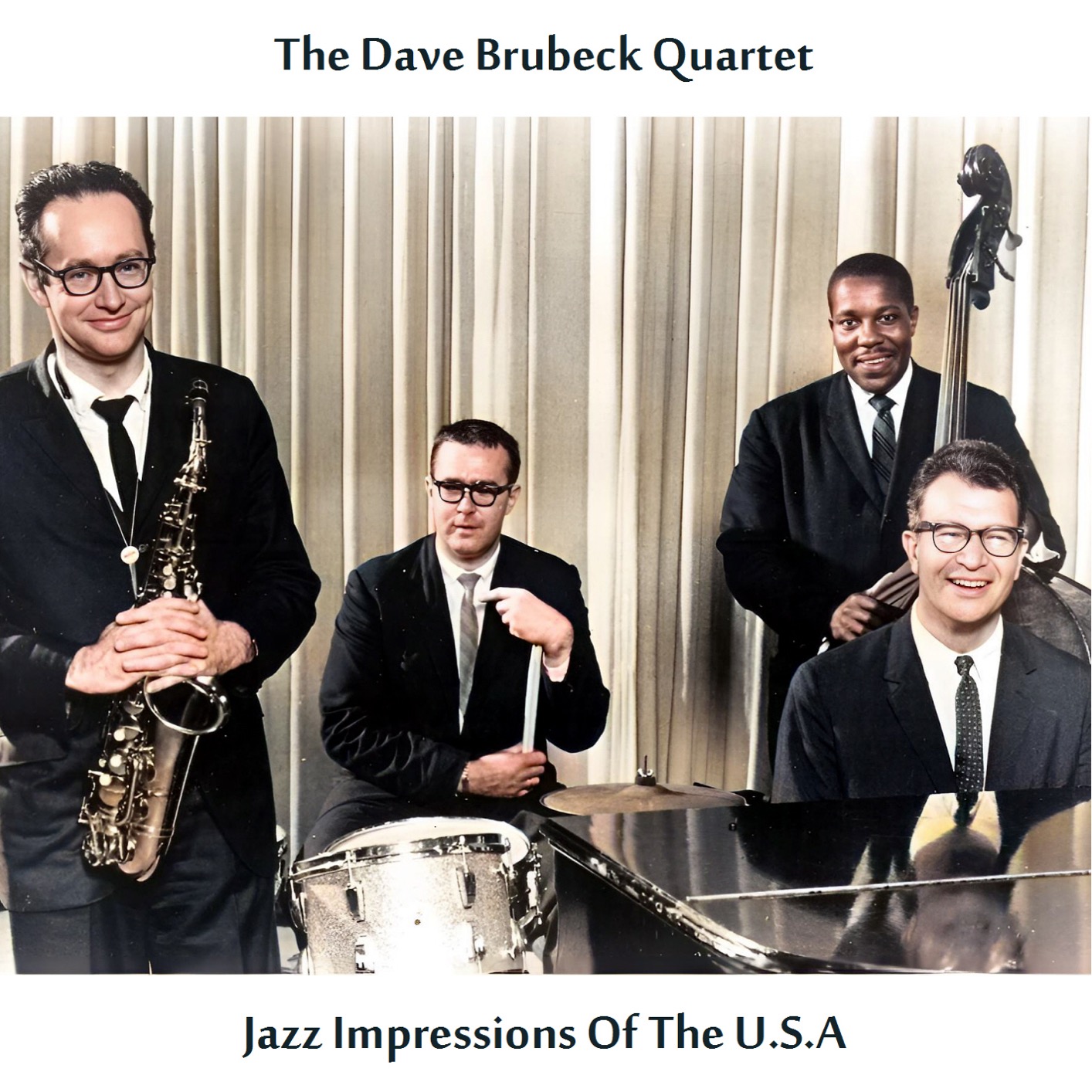
Dave Brubeck
Member of The Dave Brubeck Quartet
Also known as: David Warren Brubeck, David Brubeck, David W. Brubeck
Birthday
December 6, 1920
Birth Sign
Sagittarius
Birthplace
Concord, California
Age
Died at 91
Height
5 ft 10 in (178 cm)
About
David Warren Brubeck, universally known as Dave Brubeck, was an American jazz pianist, composer, and bandleader whose career redefined the boundaries of jazz through the integration of classical structures and complex rhythms. Born on December 6, 1920, in Concord, California, he spent his early years on a cattle ranch near Sacramento before developing a musical style that blended cool jazz with atonality and fugue. He passed away peacefully on December 5, 2012, just one day before his 92nd birthday, leaving behind a legacy as the first jazz record to sell over one million copies and a cultural icon who championed racial integration in music. Brubeck is best remembered for leading the Dave Brubeck Quartet, which achieved global fame under the sponsorship of the U.S. State Department. The group's 1959 album Time Out became a commercial sensation and a critical milestone, featuring the track "Take Five" in an unusual 5/4 time signature. This piece remains the highest-selling jazz single of all time. Throughout his later years, Brubeck continued to perform and record, appearing in films like Baby Driver and maintaining a rigorous touring schedule well into his eighties. His unique ability to merge European classical forms with American jazz improvisation earned him the nickname "the man who made jazz classical." He was ranked #10 on Rolling Stone's list of "100 Greatest Pianists of All Time" and named one of TIME Magazine's "100 Most Influential People of the Century" in 1999. A stamp issued by the U.S. Postal Service in 2012 further cemented his status as a national treasure.
Early Life & Background
David Warren Brubeck grew up on a cattle ranch in the San Joaquin Valley, where his father, Joseph William Brubeck, worked as a farmer and his mother, Elizabeth Iola Brubeck, served as a classically trained pianist. She provided his initial musical education, introducing him to works by Bach, Chopin, and Rachmaninoff when he was just nine years old. This early exposure to classical forms laid the foundation for his unique compositional style, which would later distinguish him from other jazz musicians. Before achieving international fame, Brubeck attended the College of the Pacific in Stockton, California. He initially enrolled in pre-medical studies but quickly switched to music after realizing his passion lay in performance and composition. During his college years, he formed his first trio and began experimenting with polyrhythms and odd time signatures. These experiments were crucial in shaping the sound that would eventually define his career. In 1953, he released Jazz at Oberlin, his first live album, which showcased his evolving style to a wider audience. Before the war interrupted his path, he had already begun to develop a reputation as a skilled pianist with a distinct intellectual approach to improvisation. He also received a Guggenheim Fellowship in 1951 to support his compositional work, allowing him to focus on developing his artistic voice before his major commercial breakthrough.
Career Growth
Brubeck's professional trajectory shifted dramatically during World War II. Drafted into the U.S. Army in 1942, he was transferred to the Red Cross show band due to his musical talent. There, he formed a racially integrated quartet, one of the first in the U.S. military, performing for troops across Europe and North Africa. The band's popularity led military leadership to keep him out of active combat to continue leading the ensemble. After the war, Brubeck returned to civilian life and formed the original Dave Brubeck Quartet in 1951. While the group saw several lineup changes, the most celebrated configuration emerged in 1958, featuring saxophonist Paul Desmond, bassist Eugene Wright, and drummer Joe Morello. This lineup became the definitive version of the quartet and toured globally under the sponsorship of the U.S. State Department. The group's breakthrough occurred in 1959 with the release of Time Out. This album was a commercial and critical sensation, becoming the first jazz album to sell over one million copies. It featured "Take Five," composed by Paul Desmond in an unusual 5/4 time signature, which became the highest-selling jazz single of all time. Other tracks like "Blue Rondo à la Turk" (9/8 time) and "Unsquare Dance" (7/4 time) further cemented Brubeck's reputation for mastering complex meters. Throughout the 1960s and 1970s, Brubeck continued to release critically acclaimed albums, including Jazz Impressions of Japan and The Real Ambassadors, and maintained a rigorous touring schedule well into his 80s. He appeared in numerous films and television shows, including Inland Empire (2006) and Baby Driver (2017), demonstrating his enduring relevance in pop culture. His work earned him a Grammy Lifetime Achievement Award in 2000, the Kennedy Center Honors in 2009, and the National Medal of Arts in 1994. He also won a Grammy for Best Jazz Performance – Instrumental Soloist for Jazz Impressions of the USSR in 1962 and Best Large Jazz Ensemble Album for The Real Ambassadors in 1963.
Career Timeline
Public Image & Style
Brubeck was portrayed as the quintessential "intellectual jazzman." Unlike the wilder personas of bebop or free jazz, he was seen as composed, scholarly, and accessible. His media presence emphasized his role as an educator and innovator rather than a rebellious rocker. Known for his refined stage presence, he often wore suits or casual but polished attire, reflecting his "cool jazz" aesthetic. Standing approximately 5 feet 10 inches tall, he projected an image of calm authority. Critics and fans alike viewed him as a bridge between the classical and jazz worlds, bringing a sense of structure and sophistication to improvisational music. He was frequently featured on magazine covers, including Time in 1954 and multiple issues of DownBeat, solidifying his status as a respected figure in high culture. His quotes, such as "Music is the language of the soul," reinforced his identity as a thoughtful artist dedicated to the craft. He was inducted into the DownBeat Hall of Fame in 1986 and the National Jazz Museum in Harlem in 2012, further cementing his public image as a pillar of American musical history.
Fame & Fandom
iFANN has evaluated Dave Brubeck's global profile, noting that while his historical impact is immense, his current ranking status reflects a lack of active chart dominance compared to contemporary artists. As of September 2026, the engine notes that he does not currently hold a placement in the published rankings (Global Top 1,000 or a Top-100 scope list). However, his fanbase is highly organized around preserving his legacy, particularly through the Dave Brubeck Institute. Informal circles sometimes refer to followers as "Brubeckians." Fan campaigns have focused on streaming surges for Time Out on anniversaries and supporting educational programs for young jazz musicians. Social media presence remains strong, with the official Instagram account @thedavebrubeck and a YouTube channel boasting over 99 million views. Fans are deeply engaged in the preservation of his physical memorabilia, supporting auctions and events that celebrate his contributions. The community actively promotes the legacy of the "Cool Jazz" movement and the importance of racial integration in music, ensuring that Brubeck's influence continues to resonate with new generations of listeners and scholars worldwide.
Interesting Facts and Legends
"Take Five" was originally rejected by Brubeck as too difficult, but Paul Desmond insisted on keeping it. It became the only jazz instrumental to reach number one on the Billboard pop charts. Brubeck was deeply influenced by J.S. Bach, often incorporating fugues and counterpoint into his jazz compositions, earning him the nickname "the man who made jazz classical" by some critics. During WWII, Brubeck's decision to hire African American drummer Joe Morello and integrate his band was a radical act of civil disobedience at the time, challenging segregation norms in the military. The recording of "Take Five" in 1959 is legendary for its complexity; it was recorded in a single take with minimal editing, a rarity for the era. His tours in the Soviet Union and Eastern Europe during the Cold War were politically charged, serving as a form of cultural diplomacy that bridged ideological divides with music. He famously played for crowds in Moscow and Leningrad. The project The Real Ambassadors, created with Louis Armstrong, was a satirical yet profound look at the role of jazz ambassadors, highlighting the irony of promoting freedom abroad while facing segregation at home. Brubeck received honorary degrees from Yale University, the University of the Pacific, and Berklee College of Music. He was designated a "Living Legend" by the Library of Congress in 1997 and received the Order of Merit of the Federal Republic of Germany in 1980 for his cultural diplomacy efforts.
Notable Quotes
“I think the thing that makes jazz so great is that it's a living, breathing art form.”
“I never thought I'd be famous for playing 5/4 time, but it seems to work.”
“Music is the language of the soul, and jazz is the dialect of the American experience.”
Family & Personal Life
Dave Brubeck was raised on a ranch in the San Joaquin Valley, surrounded by agricultural life and the classical music of his mother, Elizabeth Iola Brubeck. He had no siblings mentioned in public records, focusing his family life entirely on his wife and children. The couple had four sons: Darius, Dan, Chris, and Matthew. Darius Brubeck followed in his father's footsteps as a composer and musician, often collaborating with him in later years. Chris Brubeck premiered "Rhythms of the Range" with the Stockton Symphony in September 2026 to celebrate the centennial of Dave Brubeck's birth. The family established the Dave Brubeck Institute at the University of the Pacific to preserve his archives and educate future musicians. They also managed the estate's assets, including the partnership with Primary Wave Music acquired in November 2025. The family confirmed his natural death in 2012 and oversaw the scattering of his ashes in the Pacific Ocean near their home. Their household was a hub for musical innovation, with Iola acting as a constant creative force within the domestic sphere.
Notable Connections
Relationships & Dating History
Dave Brubeck wed Iola Collier in 1943, beginning a marriage that lasted nearly 70 years until his death in 2012. Iola Brubeck was not only his wife but also his manager, lyricist, and intellectual partner; she wrote the lyrics to many of his songs, including "The Real Ambassadors," and managed his career affairs. Their relationship was characterized by a deep professional and personal partnership, with Iola playing a pivotal role in the success of the Brubeck Quartet. There are no public records of prior engagements or romantic relationships outside of his marriage to Iola. As of his death in 2012, he was widowed. The couple had four sons: Darius, Dan, Chris, and Matthew. Darius Brubeck followed in his father's footsteps as a composer and musician, often collaborating with him in later years. The strength of their bond was evident in their shared dedication to music and family, with Iola remaining a central figure in the family's business decisions and creative output throughout their long union.
- MarriedIola Brubeck1943 - 2012Married until his death; she was his manager and lyricist.
Death & Aftermath
Died
December 5, 2012 (aged 91)
Death Place
Norwalk, California
Cause of Death
complications from heart failure
Dave Brubeck spent his final weeks at home in Norwalk, California, following a public performance with his son Darius at Jazz at Lincoln Center in October 2012. He passed away peacefully in his sleep on December 5, 2012, at the age of 92 due to complications from heart failure. The family confirmed the natural death, and no disputes regarding the circumstances emerged from credible reporting. Tributes arrived immediately from peers such as Herbie Hancock and Wynton Marsalis, while institutions like the Library of Congress issued formal statements honoring his contributions to American culture. Radio stations dedicated broadcasts to his catalog, driving a surge in sales for Time Out and "Take Five," and impromptu gatherings occurred at venues including the Fillmore Auditorium. A celebration of life took place at St. Andrew's Episcopal Church in San Francisco, attended by his four sons, Darius, Dan, Chris, and Matthew, as well as bandmates and industry figures. The service featured performances of In Your Own Sweet Way and Take Five by Dave Brubeck Quartet alumni before Brubeck was cremated and his ashes scattered in the Pacific Ocean near his home. His estate remains active through a partnership between the family and Primary Wave Music, which acquired publishing copyrights and likeness rights in November 2025. Subsequent events included the auction of his personal library and manuscripts in 2026, while the Dave Brubeck Institute at the University of the Pacific continues its educational programs. The U.S. Postal Service issued a stamp in his honor in 2012, marking the final tribute to his life and legacy.
Net Worth (Estate Value)
$55 Million
iFANN Editorial Team estimate
As Dave Brubeck passed away in 2012, his net worth is now represented by the value of his estate. Research by the iFANN Editorial Team puts his fortune at around $55 Million as of 2026. This figure reflects the ongoing management of his catalog and assets. In November 2025, Primary Wave Music entered into a partnership with the Brubeck family to acquire publishing copyrights and name/likeness rights, signaling a major financial restructuring of his legacy assets. Auction activity in August and September 2026 saw Julien's Auctions sell significant items from his estate, including his personal library, handwritten manuscripts, studio piano, and the original Time Out cover art. These auctions indicate a high valuation of his physical memorabilia. Wealth sources include royalties from Time Out and other albums, licensing fees for film/TV usage (e.g., Baby Driver), merchandise, and the sale of archival materials. The estate continues to generate revenue through these channels, ensuring his financial legacy remains robust. The acquisition by Primary Wave and the successful sales of rare items suggest an estate value likely exceeding $50 million USD, driven by ongoing royalties from "Take Five" and licensing deals. The estate's active management confirms its substantial liquidity and enduring market appeal.
Awards Won (5)
Dave Brubeck received numerous accolades throughout his lifetime. He won a Grammy Lifetime Achievement Award in 2000 for his overall contribution to the recording industry. In 1962, he won a Grammy for Best Jazz Performance – Instrumental Soloist (with Orchestra) for Jazz Impressions of the USSR. He also won a Grammy for Best Large Jazz Ensemble Album in 1963 for The Real Ambassadors. Beyond Grammys, he received the National Medal of Arts in 1994, the Kennedy Center Honors in 2009, and was designated a Living Legend by the Library of Congress in 1997.
2000 · Lifetime Achievement
Overall contribution to the recording industry
1962 · Best Jazz Performance
Jazz Impressions of the USSR
Known For
Time Out
1959 · Piano and Composition
Take Five
1959 · Composition
Jazz Impressions of Japan
1963 · Piano and Composition
Baby Driver
2017 · Soundtrack Contribution
Keywords
Sources
Quick Facts
- Profession
- pianist, composer, songwriter
- Born
- December 6, 1920
- Birthplace
- Concord, California
- Died
- December 5, 2012
- Death Place
- Norwalk, California
- Gender
- Male
- Spouse
- Iola Brubeck
- Birth Sign
- Sagittarius
Personal Details
- Full Name
- David Warren Brubeck
- Height
- 5 ft 10 in (178 cm)
- Spouse
- Iola Brubeck
- Children
- Darius, Dan, Chris, Matthew
- Education
- College of the Pacific (now University of the Pacific)
Filmography
12
Total
8
Film
4
TV
Frequently Asked Questions
Who was Dave Brubeck?
How did Dave Brubeck die?
What is Dave Brubeck's most famous song?
Was Dave Brubeck married?
Did Dave Brubeck win any awards?
Similar People
Join the community
fans discussing