 Greece
About
The Daphni Monastery stands on the ancient Sacred Way linking Athens to Eleusis, about eleven kilometers northwest of the Greek capital. Its name comes from the laurel groves that once covered the surrounding plain, a fragrant expanse that in antiquity stretched for miles. The site has been a place of worship for over two millennia, beginning as a sanctuary of Apollo Daphnaios before becoming a Christian monastery.
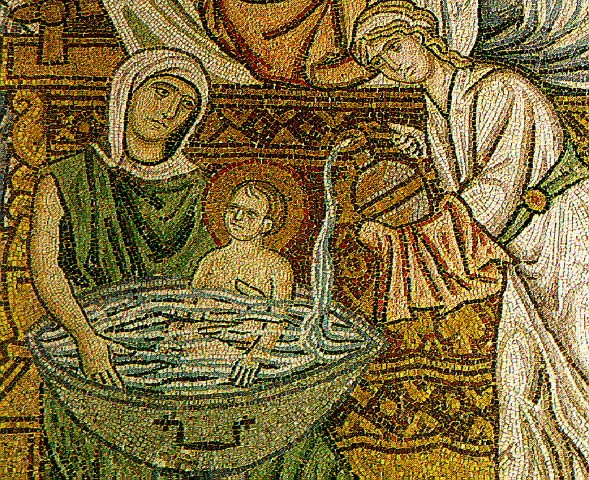
The current complex dates to the eleventh century, a period of artistic revival under the Macedonian dynasty. Its centerpiece is the katholikon, a cross-in-square church surmounted by a wide dome. Inside, a cycle of mosaics depicting scenes from the life of Christ and the Virgin ranks among the finest achievements of Middle Byzantine art. The figures, set against shimmering gold grounds, embody the grace and monumentality typical of the Macedonian Renaissance.
Although the monastery's founder remains unknown, its history is well documented. Crusaders sacked it in 1205, after which it served as a Cistercian abbey under French and Venetian rule. The Ottoman period brought neglect, and by the nineteenth century the buildings were in ruin. Restoration began in the twentieth century, and in 1990 UNESCO inscribed the monastery on the World Heritage List, together with Hosios Loukas and Nea Moni of Chios, as an outstanding example of Byzantine ecclesiastical architecture. An earthquake in 1999 caused significant damage, prompting ongoing conservation efforts that continue to this day.
Mission
As a historic monument administered by the Greek Ministry of Culture and Sports, the Daphni Monastery's mission is to preserve and present its Byzantine architecture and mosaics to the public. Conservation efforts aim to protect the structure from further deterioration, while educational programs and exhibitions, such as the 2022 philhellenism display, contextualize the site within Greek and European history. The monastery also serves as a venue for scholarly research on Middle Byzantine art.
History
The first Christian foundation on this spot was a monastery dedicated to the Dormition of the Virgin, established in the sixth century. That early complex, wealthy and renowned, was eventually abandoned, and the present church was raised in the eleventh century. The katholikon's mosaics were created around 1100, likely by artists trained in Constantinople.
Following the Fourth Crusade, the monastery was seized by Cistercian monks from France, who added cloisters and other western features. Venetian rule in the fourteenth century brought further changes. Under Ottoman administration, the monastery lost its monastic community and fell into disrepair, its mosaics plastered over at times. The Greek state took charge in the nineteenth century, initiating restoration work. The 1999 earthquake cracked the dome and dislodged mosaics, leading to a major conservation project that is still in progress.
Milestones
6th century
Earlier monastery dedicated to the Dormition of the Virgin founded on the site.
11th century
Current katholikon constructed, with mosaic decoration.
1205
Monastery sacked by crusaders; later used as Cistercian abbey.
1990
Inscribed on UNESCO World Heritage List.
1999
Earthquake damages structure, prompting conservation.
2022
Exhibition on philhellenism and the Greek War of Independence held at the monastery.
Sources
Organization Info
- Founded
- 11th century
- Headquarters
- Chaidari, Greece
- Country
- Greece
- Parent
- Ephorate of Antiquities of West Attica
- Type
- Religious
- UNESCO World Heritage
- 1990
- Distance from Athens
- 11 km (6.8 mi)
Official Website
odysseus.culture.gr/h/2/eh255.jsp?obj_id=1514
Join the community
fans discussing