 Egypt
EgyptAbout
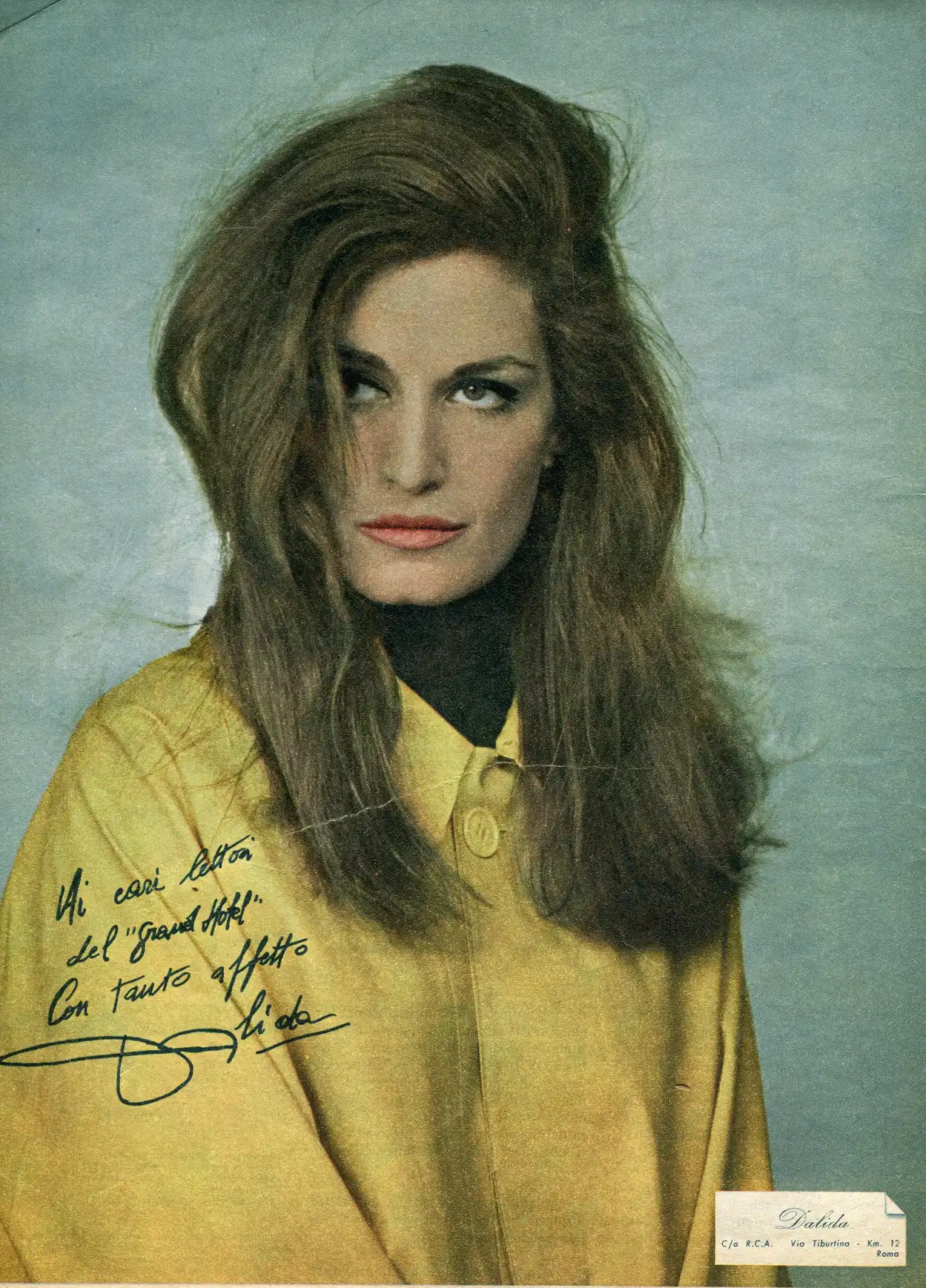
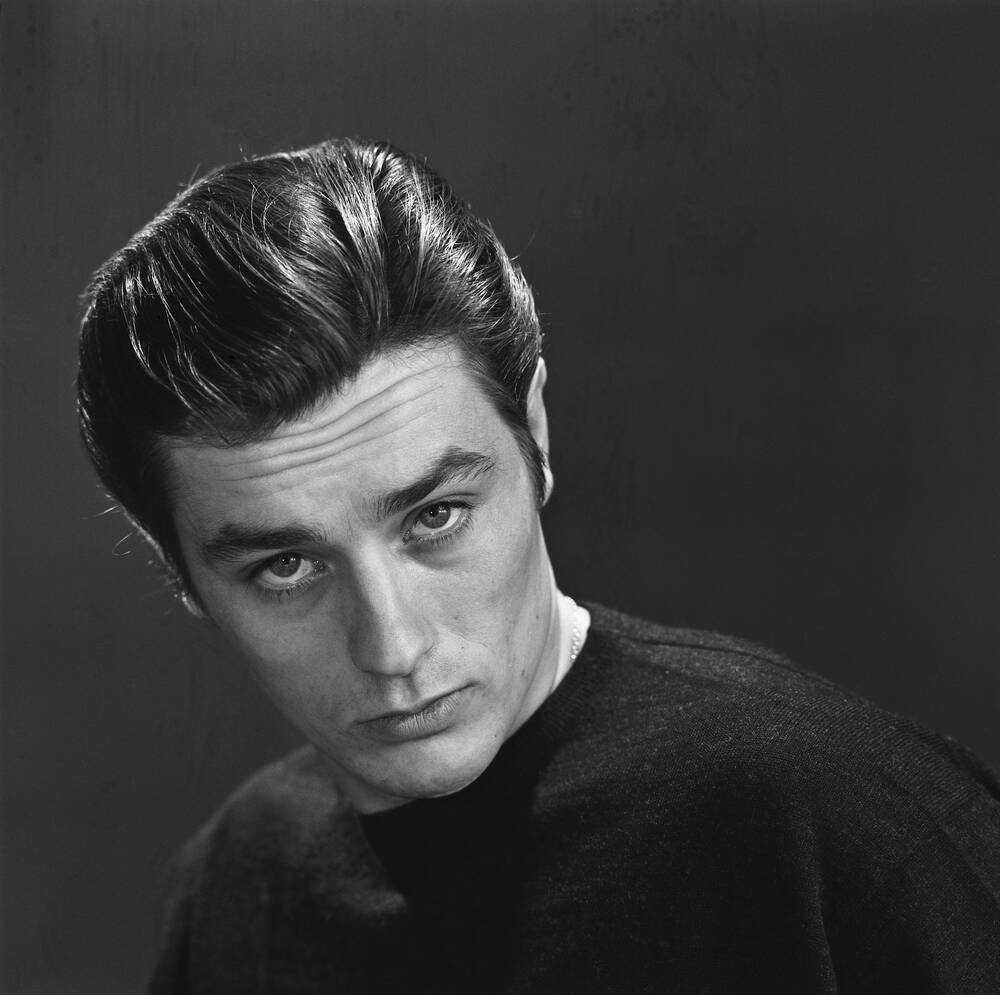
Iolanda Cristina Gigliotti, known to the world as Dalida, was an Italian-born French singer and actress whose voice and presence defined an era of international pop music. Born in Cairo's Shobra district on January 17, 1933, to Italian parents, she grew up speaking Arabic, French, and Italian, a multilingual foundation that would later let her perform in ten languages. Dalida's career spanned three decades, and she sold over 140 million records worldwide, making her one of the best-selling artists of all time. Her hits, including "Bambino," "Gigi l'amoroso," "Salma ya salama," and the duet "Paroles, paroles" with Alain Delon, crossed borders and topped charts across Europe and Latin America. She also acted in films, most notably in Youssef Chahine's The Sixth Day (1986), a critical success that unfortunately failed commercially in France.
Early Life & Background
Dalida spent her formative years in the cosmopolitan Shobra district of Cairo, where her family lived among a diverse mix of cultures. Her father, Giuseppe Gigliotti, worked as a photographer from Naples, while her mother, Maria Saba, hailed from Sicily. Growing up in this multilingual environment allowed young Iolanda to fluently speak Arabic, French, and Italian, a skill set that would become instrumental in her future global career. Before stepping into the spotlight, she explored her artistic instincts through modeling and acting in Egyptian cinema. Her first major step toward fame came with her film debut in the Egyptian movie A Glass and a Cigarette in 1955. Following this initial foray into acting, she moved to Paris in 1956, initially working as a dancer and model while trying to establish herself in the French entertainment industry. Her pivotal moment arrived when she signed with Barclay Records in 1956; her first single, "Bambino," released that same year, became an immediate international hit, launching her as a singing sensation and establishing her signature style of emotional, dramatic chanson.
Career Growth
Dalida's career spanned three decades, characterized by massive commercial success and artistic versatility across genres including chanson, pop, disco, and traditional folk. In 1956, she achieved a breakthrough with the release of "Bambino," which topped charts in France and beyond. From 1957 to 1961, she was recognized as France's top-selling recording artist. During the 1960s, she continued her dominance with hits like "Gigi l'amoroso" (1964) and "Il était temps" (1965). A major milestone occurred in 1972 with the release of "Paroles, paroles," a duet with Alain Delon that became a global phenomenon, topping charts across Europe and Latin America. Throughout the 1970s, she collaborated with major artists such as Julio Iglesias, Charles Aznavour, and Johnny Mathis. She released the album Les Yeux de la raison in 1978 and continued to produce chart-topping singles like "Dors mon amour" in 1979. In the 1980s, she released the critically acclaimed album Le Temps des cathédrales in 1986 and starred in Youssef Chahine's film The Sixth Day, which won critical praise. She sold over 140 million records worldwide, receiving 45 gold awards and two platinum records globally.
Career Timeline
Public Image & Style
Dalida is portrayed as a tragic icon, a symbol of both immense success and profound personal sorrow. Her media portrayal emphasizes her emotional depth, multilingual talent, and the heartbreaking nature of her death. Her content, primarily music, is characterized by dramatic, heartfelt performances. Known for her glamorous attire and dark hair, she cultivated an image of elegance and intensity that resonated with audiences across generations. Her style remains a reference point in fashion, with designers drawing inspiration from her iconic look.
Fame & Fandom
While modern pop stars often cultivate organized digital armies, the supporters of Dalida have historically formed a devoted but unstructured collective known as the "Dalida family." This fanbase is defined by deep emotional resonance rather than formal campaigns, maintaining its loyalty through organic rituals in France, Italy, and Egypt. A central pillar of this devotion is the annual gathering at Place Dalida in Montmartre, where fans meet on World Music Day to honor her memory with concerts and tributes. Her legacy extends into contemporary culture, evidenced by high-fashion homages such as the Stéphane Rolland Fall 2026 collection titled "Dalida Forever," which signals enduring reverence across generations.
The magnitude of her global standing is quantified by the iFANN Global Fame Rankings, which track global attention across media coverage, search, and consumption signals worldwide. In these assessments, she holds the position of the 53rd most famous person in France, a placement holding steady from the previous cycle. Her influence transcends national borders, ranking her as the 7th most famous person from Egypt, also maintaining consistency with prior data. These metrics reflect a career that sold over 140 million records and spanned three decades of international stardom.
Interesting Facts and Legends
Dalida performed in ten languages, a capability rooted in her upbringing speaking Arabic, French, and Italian in Cairo's Shobra district. She recorded the duet "Paroles, paroles" with Alain Delon, a hit that topped charts across Europe and Latin America alongside classics like "Bambino" and "Gigi l'amoroso." Her commercial dominance earned her 45 gold awards and two platinum records globally. A defining narrative in her legend concerns the tragic circumstances of her death on May 3, 1987. Following the deaths of her mother, son Bruno, and lover Claude François, she took her own life at her Paris apartment. This event cemented a sorrowful mythology surrounding her life, often described by fans as a "cursed" existence marked by profound loss. The geography of Paris itself bears witness to her status, with a street corner renamed Place Dalida serving as a pilgrimage site for admirers who gather there annually. Furthermore, her aesthetic impact persists in the fashion world, where designers continue to reference her iconic style as a touchstone for new collections.
Family & Personal Life
Dalida's personal life was marked by profound tragedy and deep emotional struggles. She was married to Lucien Morisse, a producer and manager who played a significant role in her early career. They had a son together, Bruno Ciavatta (born 1961), who tragically took his own life in 1987, just weeks before Dalida's death. Her relationship with Lucien Morisse ended in divorce, though they remained connected through their son. She also had a long-term relationship with the famous French singer Claude François, which was highly publicized and deeply impactful on her life. Her parents, Giuseppe and Maria Gigliotti, were Italian immigrants who settled in Egypt, providing her with a rich cultural background.
Notable Connections
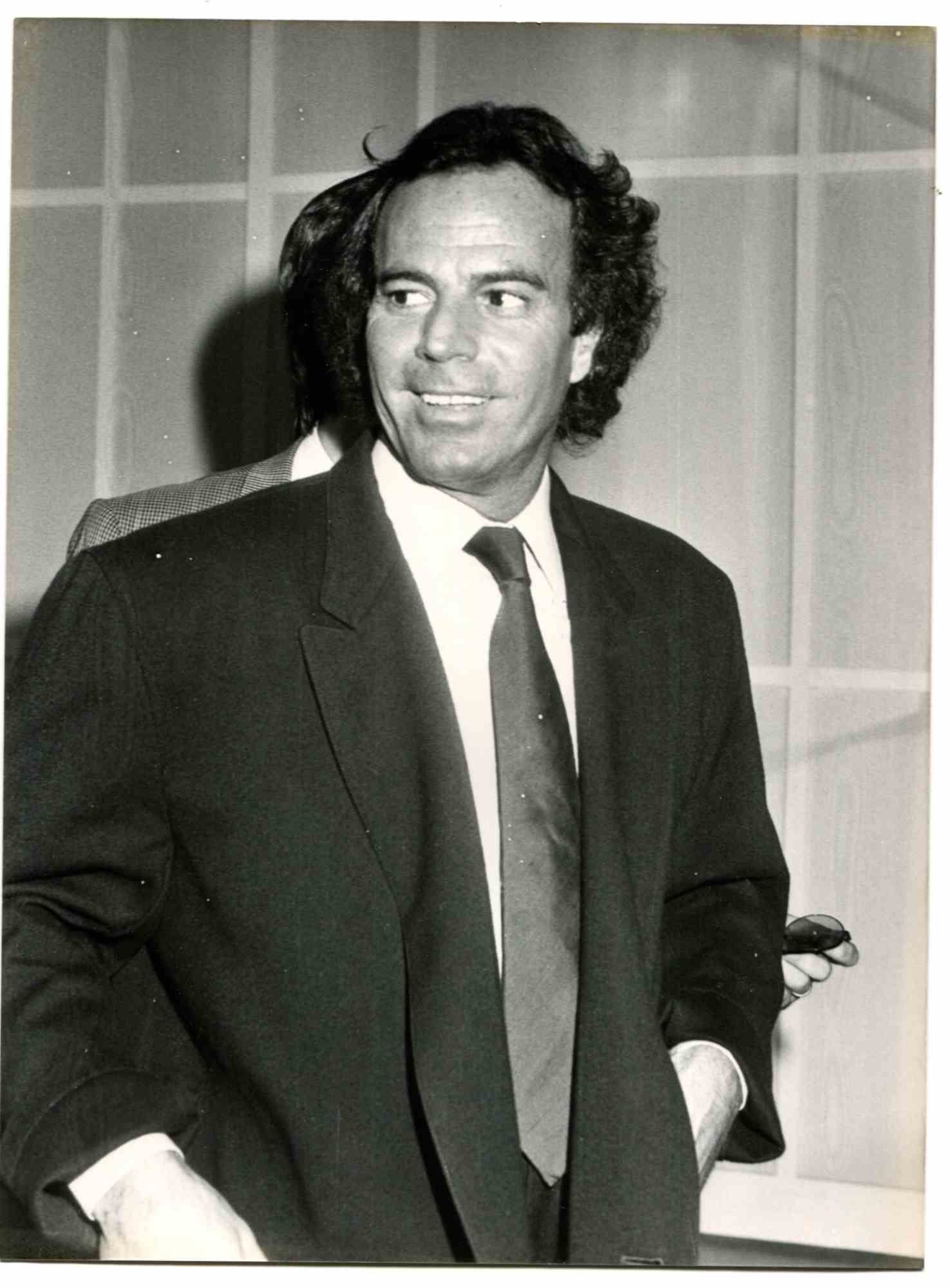
Lucien Morisse, Bruno Ciavatta, Claude François, Luigi Tenco, Alain Delon, Charles Aznavour, Julio Iglesias.
Relationships & Dating History
Dalida's romantic life was a central theme in her public narrative, often intertwined with her professional highs and lows. She was married to Lucien Morisse, a producer and manager who played a significant role in her early career. They had a son together, Bruno Ciavatta (born 1961), who tragically took his own life in 1987. Her relationship with Lucien Morisse ended in divorce, though they remained connected through their son. She also had a long-term relationship with the famous French singer Claude François, which was highly publicized and deeply impactful on her life. Their relationship was intense and passionate but ended when François married Marie-France Dufour in 1970. Dalida never fully recovered from the heartbreak, citing it as a major cause of her depression. She also had a romantic relationship with the Italian singer and songwriter Luigi Tenco, whom she met in Sanremo in 1966. Tenco committed suicide after the Sanremo Music Festival in 1967, a tragedy that devastated Dalida and led to her first major mental health crisis. Throughout the 1970s and 80s, there were rumors of relationships with various figures in the entertainment industry, including Alain Delon, but none were confirmed as serious long-term commitments comparable to her marriages or engagements.
- MarriedLucien Morisse1959 - 1965Husband and manager; they had a son, Bruno.
- DatingClaude François1965 - 1970Long-term partner; relationship ended when he married another woman.
- DatingLuigi Tenco1966 - 1967Italian singer; his suicide deeply affected her.
Death & Aftermath
Died
May 3, 1987 (aged 54)
Death Place
Paris, France
Cause of Death
Suicide by barbiturate overdose
Yolanda Cristina Gigliotti, known professionally as Dalida, was found dead in her Paris apartment on May 3, 1987, by her sister Maria Gigliotti. The official investigation concluded that the cause of death was suicide by barbiturate overdose, a determination supported by the coroner's medical examination which identified a large quantity of sedatives in her system. Her final days were marked by severe depression following the suicide of her long-time partner, Bruno Ciavatta, who had taken his own life just weeks prior. The news triggered an outpouring of grief across Europe, particularly in France and Italy, where she was a cultural icon. Tributes poured in from peers such as Mireille Mathieu and Charles Aznavour, while spontaneous fan vigils gathered outside her residence in the 16th arrondissement. Her music saw a significant surge in sales immediately following her death, with tracks like Il était temps re-entering the charts.
A memorial mural and the dedication of Place Dalida in the Montmartre district serve as enduring landmarks for fans visiting near the Sacré-Cœur Basilica. Dalida's funeral took place on May 5, 1987, as a private ceremony attended by close family and select industry figures, though thousands of fans waited outside the church to pay their respects. She was cremated, and her ashes were interred at Père Lachaise Cemetery in the division reserved for artists and celebrities. Posthumous recognition includes the biographical films Dalida released in 2005 and 2016, along with a musical tribute scheduled for 2026 in Egypt. Her estate continues to manage her extensive catalog without public dispute.
Net Worth (Estate Value)
$50 Million
iFANN Editorial Team estimate
As Dalida passed away in 1987, her net worth is represented by the value of her estate. Research by the iFANN Editorial Team puts her fortune at around $50 Million as of 2026. The estate continues to generate revenue through posthumous releases, licensing deals, merchandise, and royalties from her extensive catalog of 140 million records sold. Revenue streams include her music catalog, which remains popular globally, as well as posthumous biographical films and the upcoming 2026 musical tribute in Egypt. The estate is managed without public dispute, ensuring the continuity of her legacy.
Awards Won (34)
Dalida received 45 gold awards and two platinum records globally. She was awarded the Legion of Honour for her contributions to French culture. She also received numerous lifetime achievement awards posthumously, including the Grand Prix du Disque and induction into various halls of fame.
1963 · Radio Monte Carlo Oscar for Most Successful International Artist
1962 · Radio Monte Carlo Oscar (Shared award with Johnny Hallyday)
1961 · Radio Monte Carlo Oscar
1959 · Radio Monte Carlo Oscar
1958 · Radio Monte Carlo Oscar
1959 · Platinum Oscar Award
Known For
A Glass and a Cigarette
1955 · Actress
The Sixth Day
1986 · Actress
Bambino
1956 · Singer
Paroles, Paroles
1972 · Singer
Keywords
Sources
Quick Facts
- Profession
- singer, actress, model
- Born
- January 17, 1933
- Birthplace
- Shobra, Cairo, Egypt
- Died
- May 3, 1987
- Death Place
- Paris, France
- Gender
- Female
- Spouse
- Lucien Morisse
- Birth Sign
- Capricorn
Personal Details
- Full Name
- Iolanda Cristina Gigliotti
- Spouse
- Lucien Morisse
- Children
- Bruno Ciavatta
Filmography
2
Total
2
Film
0
TV
Frequently Asked Questions
Who was Dalida?
How did Dalida die?
What was Dalida's biggest hit?
Where is Dalida buried?
Is there a museum or tribute to Dalida?
Social Media

Join the community
fans discussing