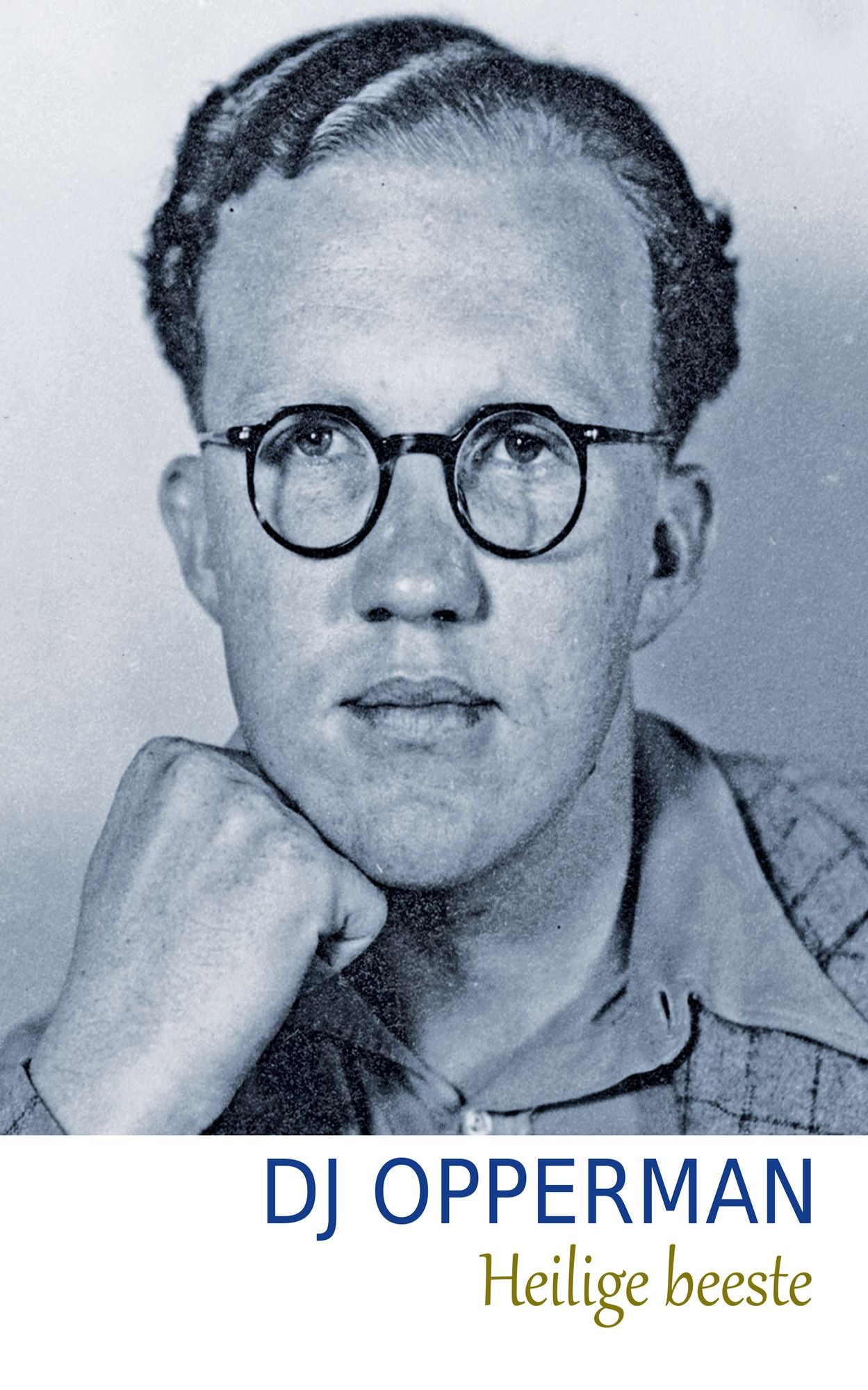
D. J. Opperman
 South Africa
Poet•playwright•essayist•anthologist•university professor
Also known as: Diederik Johannes Opperman, Dirk Johannes Opperman
Birthday
September 29, 1914
Birth Sign
Libra
Birthplace
Dannhauser, KwaZulu-Natal, South Africa
Age
Died at 70
About
Diederik Johannes Opperman, known to most as D.J. Opperman, was a South African poet, playwright, essayist, anthologist, and university professor whose work helped shape Afrikaans literature in the twentieth century. He was one of the most significant figures in Afrikaans letters, with a career that spanned four decades and left a lasting mark on the literary landscape.
Opperman's poetry, characterised by layered historical references and thematic complexity, is regarded as among the finest Afrikaans verse ever written. His major works, including Heilige beeste (1945), Joernaal van Jorik (1949), and Engel uit die klip (1950), remain classics of the tradition. As a professor at the University of Stellenbosch and the University of the Witwatersrand, he mentored a generation of writers. He passed away on 22 September 1985 in Stellenbosch, just a week short of his seventy-first birthday.
Early Life & Background
D.J. Opperman was born on 29 September 1914 on the farm Geduld No. 2 near Dannhauser in the district of Dundee, Northern Natal (now KwaZulu-Natal), South Africa. The farm's name, literally meaning "Patience No. 2," hints at the quiet determination that would mark his later career. Growing up in the Natal region, he was surrounded by the landscapes and communities that would later echo through his verse.
He pursued higher education at the University of Natal, where his interest in literature took root. He then went abroad to the University of Amsterdam, earning a doctorate. This academic training positioned him for a distinguished teaching career. Before his breakthrough as a poet, he had already begun to establish himself as a scholar and educator, laying the groundwork for the literary achievements to come.
Career Growth
Opperman's breakthrough came in 1945 with the publication of his debut poetry collection Heilige beeste (Holy Cattle), which brought him immediate prominence. The collection displayed his signature technique of superimposing different historical levels, intermingled with a mosaic of themes. Four years later, he published the epic poem Joernaal van Jorik (1949), which cemented his reputation as a master of the form. In 1950, Engel uit die klip (Angel from the Stone) appeared, now considered a classic of Afrikaans poetry.
Beyond poetry, Opperman wrote plays and essays and worked as an anthologist, compiling major collections such as Groot Verseboek. He served as editor of the literary journal Standpunte, shaping the direction of Afrikaans letters. He taught at the University of Stellenbosch and the University of the Witwatersrand, mentoring numerous postgraduate students who became significant writers. A remarkable episode in his later life: he "miraculously returned from near-death and resumed his job at Stellenbosch University in 1977," continuing to work until his death in 1985.
Career Timeline
Public Image & Style
Opperman is remembered as a towering figure in Afrikaans letters, a professor who shaped generations of writers through his teaching at Stellenbosch University and the University of the Witwatersrand. His poetry is characterised by layered historical references and thematic complexity. Within Afrikaans literary culture, he is revered as a master craftsman whose work represents the pinnacle of the tradition. His legacy continues through the D.J. Opperman Honorary Lecture at Stellenbosch University and ongoing discussions about his contributions to Afrikaans literature.
Fame & Fandom (iFAMOUS Rankings)
D. J. Opperman's renown rests not on mass popularity but on the enduring respect of a literary nation. His admirers are not a formal fandom; they are readers, students, and scholars of Afrikaans poetry, drawn to his work through academic study and cultural inheritance. No organized fanbase, no official name, no fan campaigns exist, his legacy is preserved in classrooms, critical essays, and the quiet reverence of those who read his verse.
In the global landscape of fame, iFANN's Global Fame Engine has evaluated Opperman but he does not currently hold a placement in the published rankings, whether the Global Top 1,000 or any Top-100 scope list. This absence from ranked lists reflects the nature of his fame: profound within a specific literary tradition, yet not registering on the broad metrics that capture contemporary celebrity. His significance is measured instead by the sustained attention of critics and the continued presence of his works in Afrikaans letters.
While no viral moments or crowd-stopping incidents are recorded, his life offers a few notable details. His love of wine, documented in a retrospective essay, connects his personal taste to his poetry, and his death from a liver illness in 1985 is a biographical fact. His poetic technique, superimposing historical layers, is a point of scholarly discussion. These elements form a quiet mythology, not of fan frenzy, but of literary gravitas and cultural influence that persists decades after his passing.
Interesting Facts and Legends
Though some databases list his birth sign as Sagittarius, his September birth date actually places him under Libra, a common error. He was born on a farm named Geduld No. 2, which translates to 'Patience No. 2.' His documented love of wine has been remembered in South African wine publications, and it is a detail that fans and scholars alike recall. He survived a near-death experience in the 1970s and returned to work at Stellenbosch University in 1977. As an anthologist, he compiled major Afrikaans poetry collections, including the influential Groot Verseboek.
Among the stories told about Opperman, his wine appreciation stands out, a retrospective essay by Melvyn Minnaar, published in Winemag in 2026, connects his poetry to his love of wine and notes that he died of a liver illness in 1985. Another facet is his poetic technique, described by Britannica as superimposing different historical levels intermingled with a mosaic of themes, a style that came into prominence in 1945. These are not legends in the folkloric sense, but they are the anecdotes that define his memory.
Family & Personal Life
Specific details about Opperman's family are not extensively documented in available sources. He was a professor of literature, and his private life remained largely out of the public eye. His enduring love of wine is noted in a remembrance by Melvyn Minnaar, suggesting a personal passion that accompanied his literary career.
Notable Connections
Opperman's legacy is intertwined with other figures in South African literature. Melvyn Minnaar, a wine writer, has penned remembrances of Opperman's poetry and his love of wine. Antjie Krog, a poet and writer, continues a tradition of poets engaging with public life that Opperman exemplified. A 2013 report notes a connection between a Cape Town publisher and the incarcerated Nelson Mandela involving poetry and "taal" (language), contextualising Opperman's literary world.
Relationships & Dating History
No public records of Opperman's romantic relationships, marriages, or children are available in the provided sources. Given that he was a mid-twentieth-century Afrikaans academic poet, his private life was not the subject of public tabloid coverage. The sources focus exclusively on his literary and academic career.
Death & Aftermath
Died
September 22, 1985 (aged 70)
Death Place
Unknown
Cause of Death
Unknown
The literary community of South Africa marked the passing of Diederik Johannes Opperman with a quiet reverence that reflected his stature as a pillar of Afrikaans letters. Tributes from peers and institutions highlighted his enduring influence, noting his four Hertzog Prizes and his role in shaping the nation's poetry through works like Springbok., the retrospective by Melvyn Minnaar and continued academic focus on his anthologies confirmed his status as a defining voice of the twentieth century. The circumstances surrounding his final days remain unrecorded in public archives, though it is documented that he had miraculously returned to his post at Stellenbosch University in 1977 after a near-fatal illness prior to his death two years later.
Funeral arrangements, burial locations, and the names of attendees are not preserved in the existing biographical summaries. His estate continues to generate revenue through royalties on his poetry collections and academic works, yet family statements regarding the handling of his affairs have not been made public. The legacy of his work persists in university curricula and literary criticism, where his layered historical references and thematic complexity are still studied as classics of the tradition.
Net Worth (Estate Value)
$1 Million
iFANN Editorial Team estimate
As a mid-twentieth-century academic poet, D. J. Opperman did not amass a public fortune. The sources do not provide estate valuations or posthumous earnings figures. However, his literary estate would derive revenue from royalties on his poetry collections, anthologies (including Groot Verseboek), and academic works still in print. As of 2026, iFANN currently estimates the net worth of his estate at $1 million, based on ongoing royalties and the enduring presence of his works in Afrikaans literary studies.
Awards & Accolades
View 1 records, honours and achievementsKnown For
Heilige beeste
1945 · Poetry collection
Joernaal van Jorik
1949 · Epic poem
Engel uit die klip
1950 · Poetry collection
Keywords
Sources
Quick Facts
- Profession
- Poet, playwright, essayist, anthologist, university professor
- Born
- September 29, 1914
- Birthplace
- Dannhauser, KwaZulu-Natal, South Africa
- Died
- September 22, 1985
- Death Place
- Stellenbosch, South Africa
- Gender
- Male
- Birth Sign
- Libra
- Education
- University of Natal; University of Amsterdam (doctorate)
Personal Details
- Full Name
- Diederik Johannes Opperman
- Education
- University of Natal; University of Amsterdam (doctorate)
Frequently Asked Questions
What is D.J. Opperman famous for?
When did D.J. Opperman die?
Where was D.J. Opperman born?
What is D.J. Opperman's most famous poem?
Where did D.J. Opperman teach?
Join the community
fans discussing