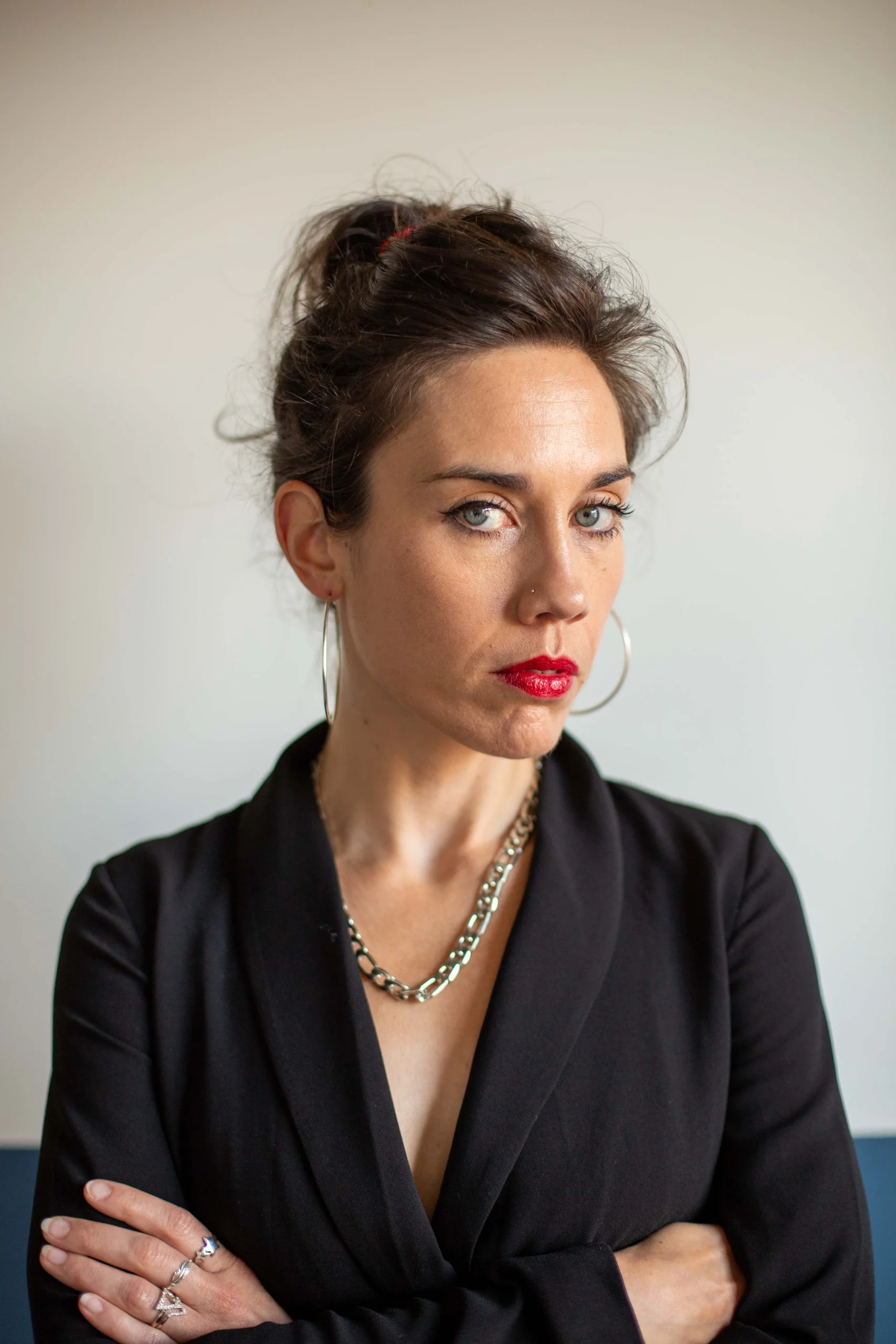
Cythna Letty
 South Africa
Botanical artist•illustrator•painter•poet
Also known as: Cythna Lindenberg Letty, Cythna Forssman
Birthday
January 1, 1895
Birth Sign
Capricorn
Birthplace
Standerton, South Africa
Age
Died at 90
About
Cythna Lindenberg Letty was a South African botanical artist whose meticulous watercolors and pencil studies set the standard for scientific illustration in her country. Over four decades at the National Herbarium in Pretoria, she produced more than 730 plates for Flowering Plants of Africa and earned the title of doyenne of South African botanical art. Her 1962 book Wild Flowers of the Transvaal remains a touchstone for botanists and art lovers alike.
Her talents reached beyond the page. When South Africa introduced decimal currency, she designed the floral motifs for the 10, 20, and 50 cent coins. She was also a published poet, releasing Children of the Hours in her eighties. The Royal Horticultural Society awarded her a silver medal in 1970, and the University of Witwatersrand granted her an honorary doctorate in 1973. Today, her legacy lives on through the Cythna Letty Medal, the Cythna Letty Nature Reserve, and two plant species named in her honor.
Early Life & Background
Cythna Lindenberg Letty was born on 1 January 1895 in Standerton, a small town in the Transvaal. Her father, Walter Edward Letty, changed jobs often, which meant the family moved constantly. By the time she finished school, she had attended thirteen different institutions, finally graduating from Pretoria Girls' High School.
During World War I, her father served in France. Her mother, Josina, supported the household by illustrating genealogical charts, giving Cythna an early glimpse of how art could sustain a family. Before finding her calling, Cythna worked as a teacher and later as a nurse.
Her professional art career began in 1924 at the Veterinary Division in Onderstepoort, where she drew diseased organs for scientific records. Two years later, she transferred to the Division of Plant Industry under Dr. I.B. Pole-Evans. That move shifted her focus from animal pathology to the flora of South Africa, and she never looked back.
Career Growth
In 1927, Cythna Letty became the first resident botanical artist at what is now the South African National Biodiversity Institute. Her early work there included illustrating The Stapelieae (1937) by White and Sloane. She resigned in 1938 to marry Oscar Forssman but returned in 1945, remaining until 1966.
Her major publications include Trees and Shrubs in the Kruger National Park (1951) and Grasses and Pastures of South Africa (1955). The landmark Wild Flowers of the Transvaal appeared in 1962, cementing her reputation. She also designed the floral motifs for South Africa's decimal coins, a lasting public tribute to her artistry.
After retiring, she continued to work. In 1973, her study of the genus Zantedeschia was published in Bothalia. She later turned to poetry, publishing Children of the Hours in her eighties.
Career Timeline
Public Image & Style
Cythna Letty's public image is that of a meticulous artist who brought scientific precision to botanical illustration. Her style, characterized by clean lines and subtle color, made her work both scientifically valuable and aesthetically pleasing. She is remembered as the doyenne of South African botanical art, a figure whose influence extended through the Cythna Letty Medal, awarded by the Botanical Society of South Africa. While she worked in the mid-20th century, her legacy continues to inspire contemporary botanical artists and conservationists.
Fame & Fandom
Cythna Letty's legacy is one of quiet influence rather than public spectacle. Her admirers are found among botanists, horticulturists, and collectors of botanical art, a niche community that values her precision and aesthetic restraint. There is no formal fandom name, no organized fan clubs, no viral campaigns, her following is a diffuse network of professionals and enthusiasts who encounter her work in scientific journals, art books, and the occasional auction catalog. A Facebook group dedicated to South African botanical artists occasionally discusses her depictions of coral trees, but this is scholarly appreciation, not fan culture. In death, her reputation rests on the enduring quality of her illustrations and the honors bestowed by institutions, such as the Cythna Letty Medal and the plant species named for her.
In the broader landscape of global fame, Letty occupies a modest but respected position. As of August 2026, the iFANN Global Fame Engine has evaluated her profile but she does not currently hold a placement in the published rankings, whether the Global Top 1,000 or any Top-100 scope list. This absence is not a measure of her artistic significance but rather a reflection of the quiet, scholarly nature of her acclaim. She remains a figure of national pride in South Africa, her work a touchstone for botanical art, yet her renown does not translate into the mass recognition that fuels global fame rankings. For those who know her, she is the doyenne of South African botanical illustration; for the wider world, she is a name in a museum catalog, waiting to be discovered.
Interesting Facts and Legends
Cythna Letty's life was full of unexpected turns. She attended thirteen different schools as a child, a record that shaped her adaptable nature. Before discovering botanical art, she worked as a teacher and a nurse. Her mother, Josina, was herself an illustrator, creating genealogical charts during World War I to support the family. At the Veterinary Division, she began by illustrating diseased organs, a far cry from the delicate flowers she would later paint. She designed the floral motifs on South Africa's 10, 20, and 50 cent decimal coins. A published poet, she released Children of the Hours in her eighties. Two plant species, Crassula lettyae and Aloe lettyae, carry her name, and her ashes rest in the Cythna Letty Nature Reserve near Barberton.
Her professional reputation as a 'doyenne' of South African botanical art is a legend in its own right, built on decades of meticulous work. The story of her career is retold in botanical circles: a young woman who began by painting diseased organs for the Veterinary Division, who later became the standard-bearer for scientific illustration in her country. Her letters and archives are preserved at the Hunt Institute, a reflection of her enduring scholarly value. While no dramatic public moments defined her life, her quiet dedication has inspired generations of botanical artists, a legacy that lives on in the medals and plant names that bear her name.
Family & Personal Life
Cythna's parents were Walter Edward Letty and Josina. Her father's frequent career changes meant the family moved often, and her mother's work as an illustrator during World War I left a lasting impression. Cythna married Oscar William Alric Forssman in 1938, and she was known thereafter as Mrs. Oscar Forssman. The couple had no recorded children. After her death in 1985, her ashes were scattered in the Cythna Letty Nature Reserve, a fitting final resting place for someone so devoted to the natural world.
Notable Connections
Cythna Letty worked closely with several prominent botanists. Dr. I.B. Pole-Evans brought her into the Division of Plant Industry and shaped her early career. She illustrated books by L.E.W. Codd and Lucy K.A. Chippindall, and her work appeared alongside that of White and Sloane in The Stapelieae. Her husband, Oscar Forssman, supported her return to botanical work after their marriage.
Relationships & Dating History
Cythna Letty's documented romantic history is limited to a single marriage. She married Oscar William Alric Forssman in 1938, at which point she resigned from her position at the Division of Plant Industry. The couple had no recorded children. She returned to her botanical career in 1945, suggesting the marriage did not end her professional life. No divorce or separation is documented. She was widowed when her husband predeceased her, though the exact year of his death is not recorded. At the time of her death in 1985, she was a widow.
- MarriedOscar William Alric Forssman1938 - presentMarried in 1938; no children recorded.
Death & Aftermath
Died
May 3, 1985 (aged 90)
Death Place
Pretoria, South Africa
Cause of Death
Unknown
Cythna Lindenberg Letty died on May 3, 1985, in Pretoria, South Africa, at the age of ninety. The available records confirm the date and location of her passing but do not provide specific details regarding the official cause of death or the circumstances of her final days. While immediate tributes from peers or vigils are not documented in the historical record, her legacy has been acknowledged by institutions decades later. Notably, the University of Cape Town and the South African National Biodiversity Institute recognize her as the first resident botanical artist at what is now SANBI. In June 2018, an exhibition titled Wild Harvest: nectar, berries, capsules and seeds was held at the Irma Stern Museum to celebrate her contributions to botanical art. Original artworks and illustrations by Letty continue to appear at auction, and her estate remains active through the authentication and appraisal of her work. Her book Wild Flowers of the Transvaal remains a key reference for botanists and art lovers alike.
Net Worth (Estate Value)
$1 Million
iFANN Editorial Team estimate
As a salaried government botanical artist, Cythna Letty likely accumulated modest personal wealth during her lifetime. However, her posthumous estate holds significant cultural and monetary value. Original artworks and illustrations by Letty appear at auction; for example, a photolithograph of 'Botanical Studies' was listed on MutualArt. Revenue streams for her estate include auction sales, reproduction rights for her illustrations, book royalties from Wild Flowers of the Transvaal and other works, and licensing of her coin designs. No public records detail estate management or total value. Given the rarity of her original pieces and her standing in botanical art, iFANN currently estimates the estate to be worth around $1 million as of 2026. This figure reflects the collectible nature of her work rather than any documented financial statement.
Awards Won (2)
Cythna Letty received two major honours for her botanical art. In 1970, the Royal Horticultural Society awarded her a silver medal for an exhibition of her flower paintings. In 1973, the University of Witwatersrand conferred an honorary Doctor of Laws degree. These accolades recognized both her artistic skill and her scientific contributions.
1970 · Botanical Art
Exhibition of flower paintings
1973 · Honorary Degree
Lifetime achievement in botanical art
Known For
Wild Flowers of the Transvaal
1962 · Author and illustrator
Flowering Plants of Africa
· Contributor of 730 plates
South African decimal coins
· Designer of floral motifs
Keywords
Sources
Quick Facts
- Born
- January 1, 1895
- Birthplace
- Standerton, South Africa
- Died
- May 3, 1985
- Death Place
- Pretoria, South Africa
- Profession
- Botanical artist, illustrator, painter, poet
- Spouse
- Oscar William Alric Forssman
- Known for
- Wild Flowers of the Transvaal, coin designs
Personal Details
- Full Name
- Cythna Lindenberg Letty
- Spouse
- Oscar William Alric Forssman
- Education
- Pretoria Girls' High School
Frequently Asked Questions
Who was Cythna Letty?
What is Cythna Letty famous for?
When did Cythna Letty die?
Was Cythna Letty married?
What plants are named after Cythna Letty?
Join the community
fans discussing