 United Kingdom
About
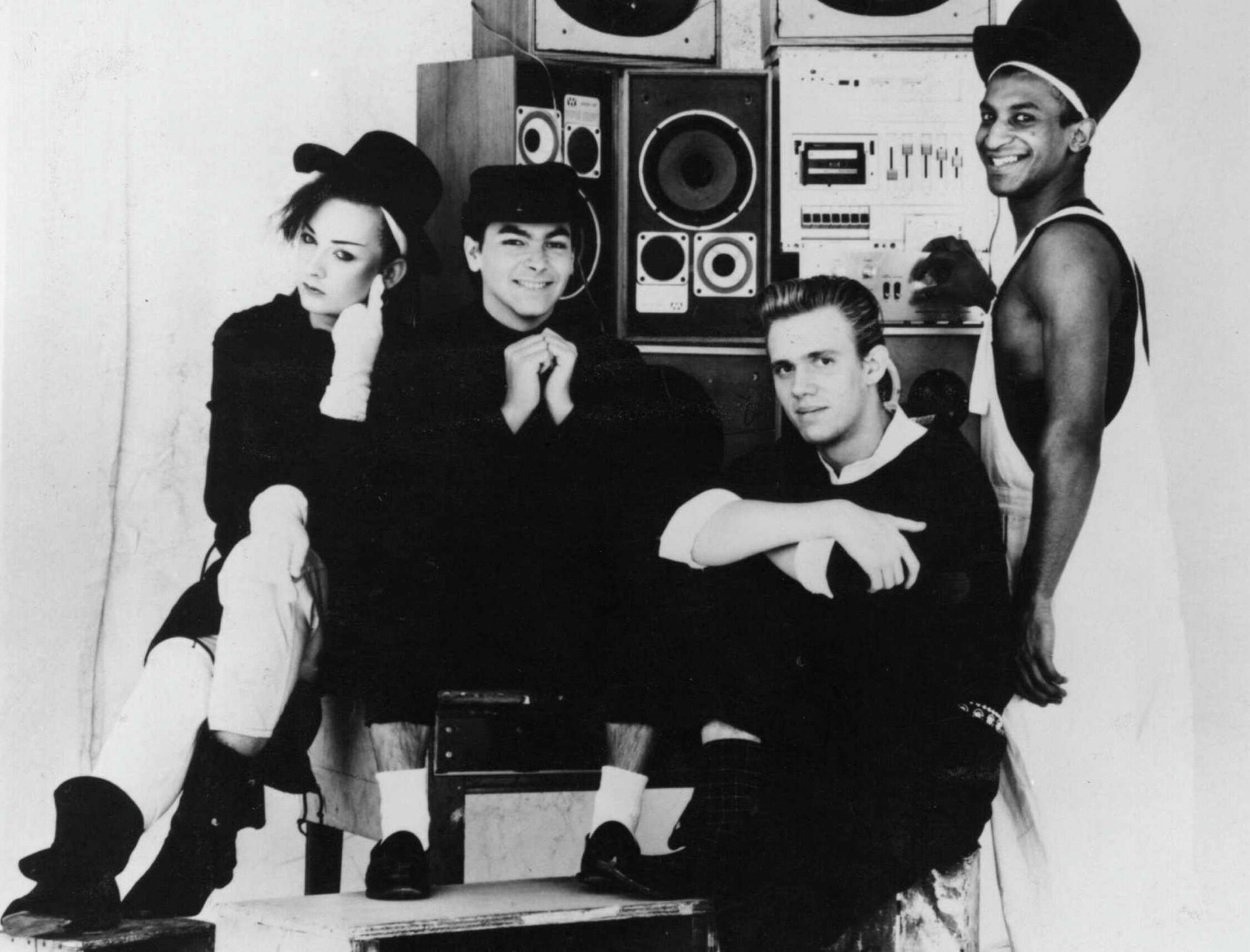
Culture Club today are a trio: Boy George, Mikey Craig, and Roy Hay, with Jon Moss having left in 2021. They remain active, touring regularly and performing their catalog of 1980s hits to sold-out crowds worldwide. The band has sold over 50 million records globally, with their biggest album Colour by Numbers moving over 10 million copies. They are known for blending new wave pop with soul, reggae, and even country touches, all anchored by Boy George's unmistakable voice and androgynous image. Fans, often called Clubbers, have stuck with them through decades of reunion tours and new material like 2018's Life. Their music still gets heavy rotation on classic hits stations, and they remain a symbol of the Second British Invasion's impact on American pop culture.
Formation Story
Culture Club came together in 1981, born from the ashes of Boy George's brief stint with Bow Wow Wow, where he performed as Lieutenant Lush. After leaving that band, he teamed up with bassist Mikey Craig, who he met through mutual friends in London's club scene. They started a group called In Praise of Lemmings, then recruited drummer Jon Moss, a veteran of Adam & the Ants and the Damned. Guitarist Jon Suede joined briefly, but when he left, Roy Hay, a former hairdresser from Essex who had played in local bands, stepped in. The band briefly called themselves Sex Gang Children before settling on Culture Club, a name Moss suggested to highlight their mixed cultural backgrounds: Boy George was Irish, Craig was Black British, Moss was Jewish, and Hay was English.
They recorded demos for EMI in late 1981 but were rejected. Virgin Records signed them in early 1982. Their first two singles, White Boy and I'm Afraid of Me, flopped. Everything changed with their third single, Do You Really Want to Hurt Me, released in September 1982. It shot to number one in the UK and hit number two in the US, launching the band into international stardom. Their debut album Kissing to Be Clever followed, reaching number five in the UK and going platinum.
Members
Former Members
Musical Style
Culture Club's sound is a melting pot of new wave, American soul, and Jamaican reggae, with occasional detours into calypso, salsa, and country. Their early work, like Kissing to Be Clever, leaned heavily on synth-pop and reggae rhythms, with Boy George's soulful croon floating over bouncy basslines from Mikey Craig. Colour by Numbers polished that formula, adding lush harmonies and a more soulful pop sheen. Karma Chameleon even threw in a country harmonica. Later albums like From Luxury to Heartache incorporated dance-pop and Latin influences. Lyrically, they tackled love, heartache, and social issues, often with a playful or cryptic edge. Production-wise, they worked closely with Steve Levine, who gave their records a clean, radio-friendly gloss that still felt warm and organic.
Discography
| Title | Year |
|---|---|
| Life | 2018 |
| Don't Mind If I Do | 1999 |
| From Luxury to Heartache | 1986 |
| Waking Up with the House on Fire | 1984 |
| Colour by Numbers | 1983 |
| Kissing to Be Clever | 1982 |
Tours
The Letting It Go Show
2023 · 30 shows
The Life Tour
2018 · 50 shows
Culture Club Tour
2012 · 40 shows
Reunion Tour
1999 · 20 shows
From Luxury to Heartache Tour
1986 · 60 shows
The Colour by Numbers Tour
1984 · 80 shows
Cultural Impact
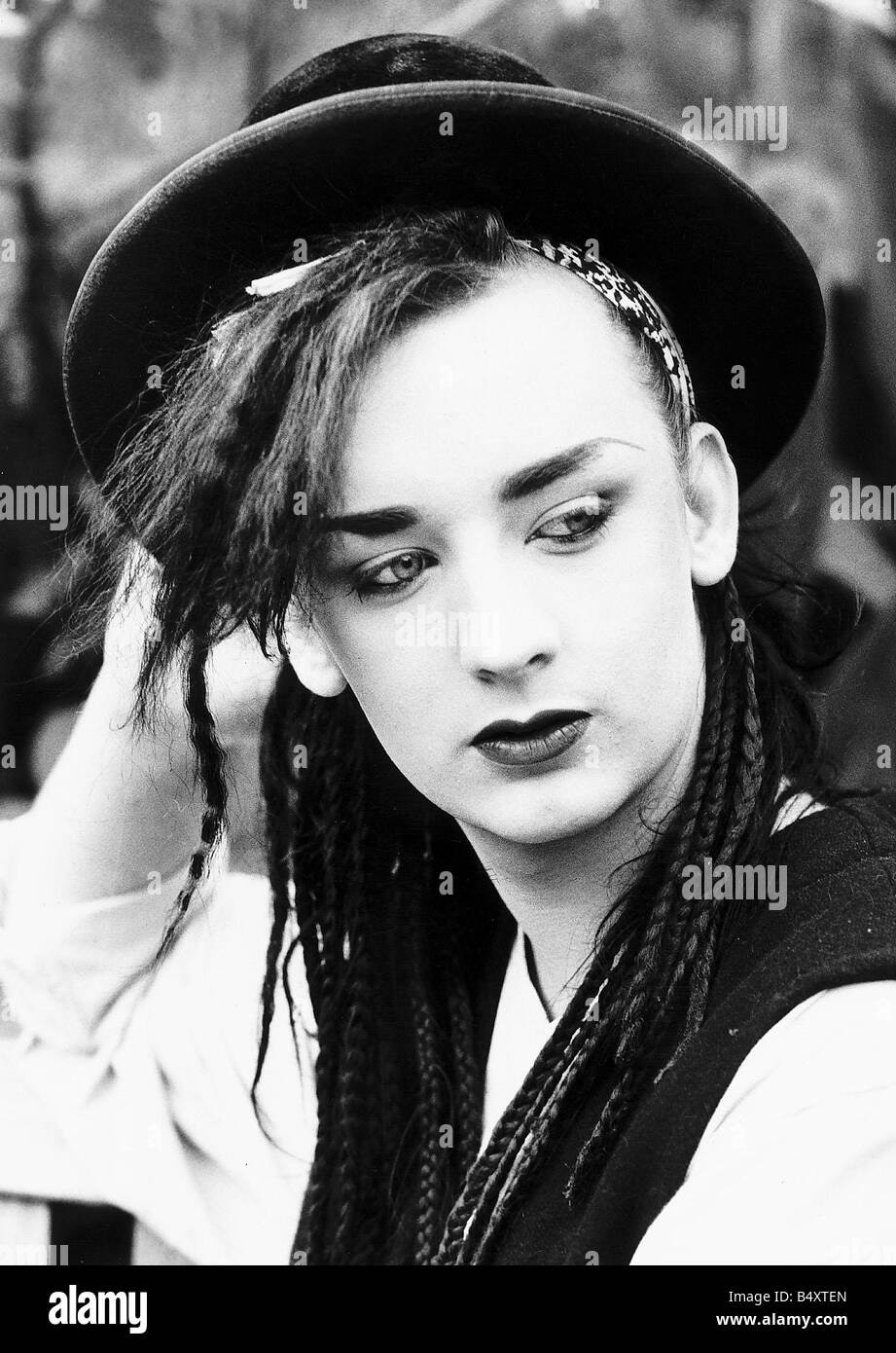
Culture Club shattered norms around gender and race in mainstream pop. Boy George's androgynous look, with braids, makeup, and flowing robes, challenged traditional masculinity and made him a global icon for queer visibility. The band's multiracial lineup also stood out in a mostly white pop landscape. They were a key part of the Second British Invasion, riding MTV's early days to massive US success. Their fashion sense influenced designers and club kids alike, and their music videos became staples on the channel. Beyond music, Boy George's openness about his sexuality, though initially guarded, paved the way for later LGBTQ+ artists. The band's legacy lives on in countless artists who cite them as inspiration, from pop stars to drag performers.
Fandom Culture
Culture Club's fans, informally called Clubbers, have been fiercely loyal since the early 80s. There's no official fan club, lightstick, or designated fan color, but the bond is strong. Fans often dress in androgynous, colorful styles inspired by Boy George's looks. Online communities share rare footage, concert recordings, and memories. The band's reunion tours consistently draw enthusiastic crowds who sing every word. A notable fan moment: in 2018, during their Life tour, fans organized a flash mob in London to Karma Chameleon, which Boy George shared on social media.
Awards Won (22)
Best New Artist
Best Recording Artist
for: The War Song
Best British Single
for: Karma Chameleon
Best British Group
for: Culture Club
for: Culture Club
for: "Karma Chameleon"
500 Songs That Shaped Rock and Roll
for: "Time (Clock of the Heart)"
for: "Karma Chameleon"
for: "Karma Chameleon"
Milestones
Do You Really Want to Hurt Me reaches #1 in the UK.
Karma Chameleon becomes UK's best-selling single of the year and hits #1 in the US.
Wins Grammy for Best New Artist and two Brit Awards.
Time (Clock of the Heart) inducted into Rock and Roll Hall of Fame's 500 Songs That Shaped Rock and Roll.
Trivia
The band's name was Moss's idea, reflecting their diverse backgrounds. Boy George's first stage name was Lieutenant Lush when he sang with Bow Wow Wow. Roy Hay was a hairdresser before joining. Mikey Craig released a solo single in 1988, I'm a Believer, which didn't chart. The band was turned down by EMI before Virgin signed them. Do You Really Want to Hurt Me was written in 20 minutes after a fight between Boy George and Moss.
Keywords
Sources
Quick Facts
- Formed
- 1981
- Origin
- London
- Label
- Virgin Records, Epic Records
- Genres
- Pop, New Wave, New Romantic
- Members
- 3
- Status
- Active
Group Info
- Fandom
- Clubbers
- Formed
- 1981
- Debut
- 1982-05
- Debut Song
- White Boy
- Origin
- London, England
- Company
- Virgin Records
- Label
- Virgin Records, Epic Records
- Status
- Active
Join the community
fans discussing