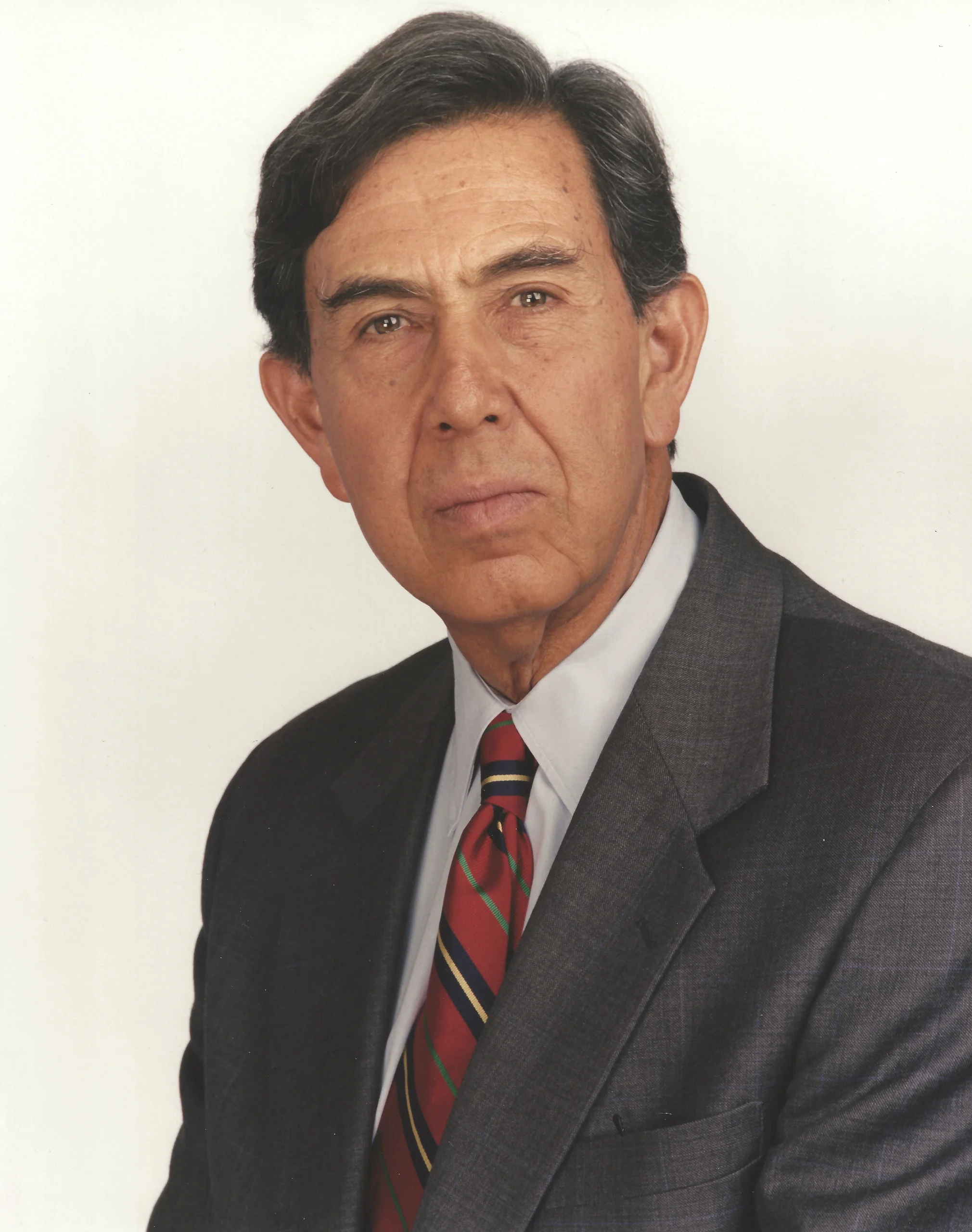
Cuauhtémoc Cárdenas
 Mexico
Also known as: Cuauhtémoc Cárdenas Solórzano
Birthday
May 1, 1934
Birth Sign
Taurus
Birthplace
Mexico City, Mexico
Age
92 years old
About
Cuauhtémoc Cárdenas Solórzano is a prominent Mexican civil engineer and politician, widely recognized for his pivotal role in steering Mexico towards greater democracy. Born in Mexico City on May 1, 1934, he is the son of former President Lázaro Cárdenas, a legacy that profoundly shaped his public life and political trajectory. A dedicated social democrat, Cárdenas co-founded the influential Party of the Democratic Revolution (PRD) and achieved a historic milestone by becoming the first directly elected Head of Government of Mexico City in 1997, a position he held until 1999. His third presidential bid in 2000 saw him secure a third-place finish. His most notable presidential run was in 1988, an election widely perceived as being marred by electoral fraud, a controversial event that remains a defining moment in modern Mexican political history. Outgoing President Miguel de la Madrid later acknowledged the irregularities of that election. Today, Cárdenas stands as an independent political figure and an elder statesman, maintaining his position as a moral compass for the Mexican left. He is deeply respected across the political spectrum for his unwavering integrity and steadfast commitment to democratic principles. His illustrious career, spanning over six decades, encompasses significant roles from local governance to national campaigns, and his enduring influence is evident in the democratic institutions he helped to establish and champion. He is a vocal critic of corruption and consistently advocates for enhanced transparency in Mexican governance.
Early Life & Background
Cuauhtémoc Cárdenas Solórzano was born in Mexico City on May 1, 1934. He was named after the last Aztec emperor, Cuauhtémoc, a name carrying significant historical weight in Mexico. His father, Lázaro Cárdenas, was inaugurated as President of Mexico when Cuauhtémoc was merely seven months old, leading the family to reside in the presidential residence, Los Pinos. His mother, Amalia Solórzano, contributed Purépecha ancestry to the family lineage. Cárdenas received his foundational education at Colegio Williams, a private, secular institution in Mexico City recognized for its demanding academic standards. He continued his higher education at the National Autonomous University of Mexico (UNAM), where he earned a degree in civil engineering. Following his graduation, Cárdenas embarked on an extensive educational tour through Europe, dedicating time to studies in France, West Germany, and Italy. This period abroad broadened his political perspective and intensified his dedication to social reform. Upon returning to Mexico, Cárdenas initially pursued a career as an engineer. However, his path soon veered towards politics, leading him to join the Institutional Revolutionary Party (PRI) in 1954, the same party his father had played a key role in shaping. His early professional life involved various technical positions and party responsibilities within the PRI, which served as the essential groundwork for his subsequent electoral achievements.
Career Growth
Cuauhtémoc Cárdenas's political journey began within the Institutional Revolutionary Party (PRI), where he served as a senator representing Michoacán from 1976 to 1980. He subsequently assumed the role of governor of Michoacán, serving from 1980 to 1986, during which time he cultivated a reputation as a reformer. Growing increasingly disillusioned with the PRI's entrenched authoritarian practices, Cárdenas made the significant decision to leave the party in 1987. He then launched a presidential campaign in 1988 under the banner of the National Democratic Front. The 1988 presidential election was profoundly impacted by widespread allegations of electoral fraud, famously marked by the unexplained crash of the government's vote-counting computer system. This event led to lingering questions about the legitimacy of the results. Despite losing the election to Carlos Salinas de Gortari, Cárdenas's protest movement served as a powerful catalyst for the Mexican left. In 1989, he was instrumental in co-founding the Party of the Democratic Revolution (PRD), which rapidly emerged as the country's leading left-wing political party. A significant achievement came in 1997 when Cárdenas secured victory in the first direct election for the Head of Government of Mexico City, a powerful position comparable to mayor, and served in this capacity until 1999. He made another presidential bid in 2000, ultimately finishing in third place. Cárdenas remained a prominent and influential figure within the PRD until 2014, when he departed from the party due to internal disagreements. Since then, he has continued to be an independent voice in Mexican politics, advocating for democratic reforms and transparency.
Career Timeline
Public Image & Style
Cárdenas is widely regarded as a statesman embodying integrity and deep democratic convictions. In public appearances, he maintains a calm, intellectual presence, typically dressed in unassuming suits and speaking with measured deliberation. His principled stances, even when politically disadvantageous, have earned him respect across the political spectrum. The 1988 presidential campaign cemented his status as a symbol of the struggle for electoral fairness, and he continues to command a loyal following among older generations who recall the contested election. Younger Mexicans may recognize him as a founder of the PRD or through his son's political career. Though he grants interviews infrequently, Cárdenas remains actively engaged in political discourse, consistently advocating for democratic reforms and greater governmental accountability. His public persona is characterized by austerity and a focus on public service over personal enrichment, aligning with his image as a principled leader.
Fame & Fandom
Cuauhtémoc Cárdenas's name resonates across Mexico and beyond, but his global fame index reflects a legacy rather than a current media storm. As of August 2026, iFANN's Global Fame Engine has evaluated his standing, yet he does not currently hold a placement in the published rankings, neither the Global Top 1,000 nor any Top-100 scope list. This is a neutral statement of fact: he remains an unranked figure in iFANN's system, his fame measured more in historical weight than in contemporary search or consumption signals.
His following is not a fandom in the pop-culture sense. There is no formal name for his supporters, no organized fan clubs, no birthday billboards or streaming pushes. Instead, his base is a traditional left-wing political constituency, anchored in the Party of the Democratic Revolution (PRD), which he co-founded. These supporters express their admiration through political activism and historical reverence, not through the mechanisms of modern celebrity culture. His social media presence, including his X account @c_cardenas_s, serves as a platform for political commentary and mentorship, not fan engagement.
Institutional tributes, such as his 2026 appointment to chair PEMEX's Consultative Commission on Petroleum, and a formal homage at Mexico City's Museo de Arte Popular, highlight his enduring stature. But these are recognitions of a statesman, not a celebrity. His legend lives in the story of the 1988 election and the fight for democracy, a narrative that continues to inspire, but one that does not translate into a measurable global fame ranking.
Interesting Facts and Legends
Cuauhtémoc Cárdenas's name honors the last Aztec emperor, Cuauhtémoc, a figure of significant historical importance in Mexico. He pursued his engineering studies in Europe, including periods in France, West Germany, and Italy, before fully dedicating himself to a political career. His son, Lázaro Cárdenas Batel, has also pursued a career in politics, notably serving as the governor of Michoacán between 2002 and 2008. The 1988 presidential election, in which he was a candidate, is remembered for the alleged crash of the vote-counting computer system, leading to unanswered questions about the final results. Cárdenas has consistently been a strong advocate against corruption and has championed the cause of increased transparency within Mexico's governmental structures throughout his extensive career.
The 1988 election night is the stuff of legend: early returns showed Cárdenas leading, and then the government's computer system, the 'sistema', mysteriously went down. When it came back, the PRI claimed victory. The phrase 'se cayó el sistema' entered Mexico's political vocabulary, and supporters still tell the story as the moment democracy was stolen. In 2026, at age 91, Cárdenas returned to public service, appointed by President Claudia Sheinbaum to chair PEMEX's Consultative Commission on Petroleum, a move that echoed his father's legacy and sparked headlines about a historic figure's return to national affairs.
Family & Personal Life
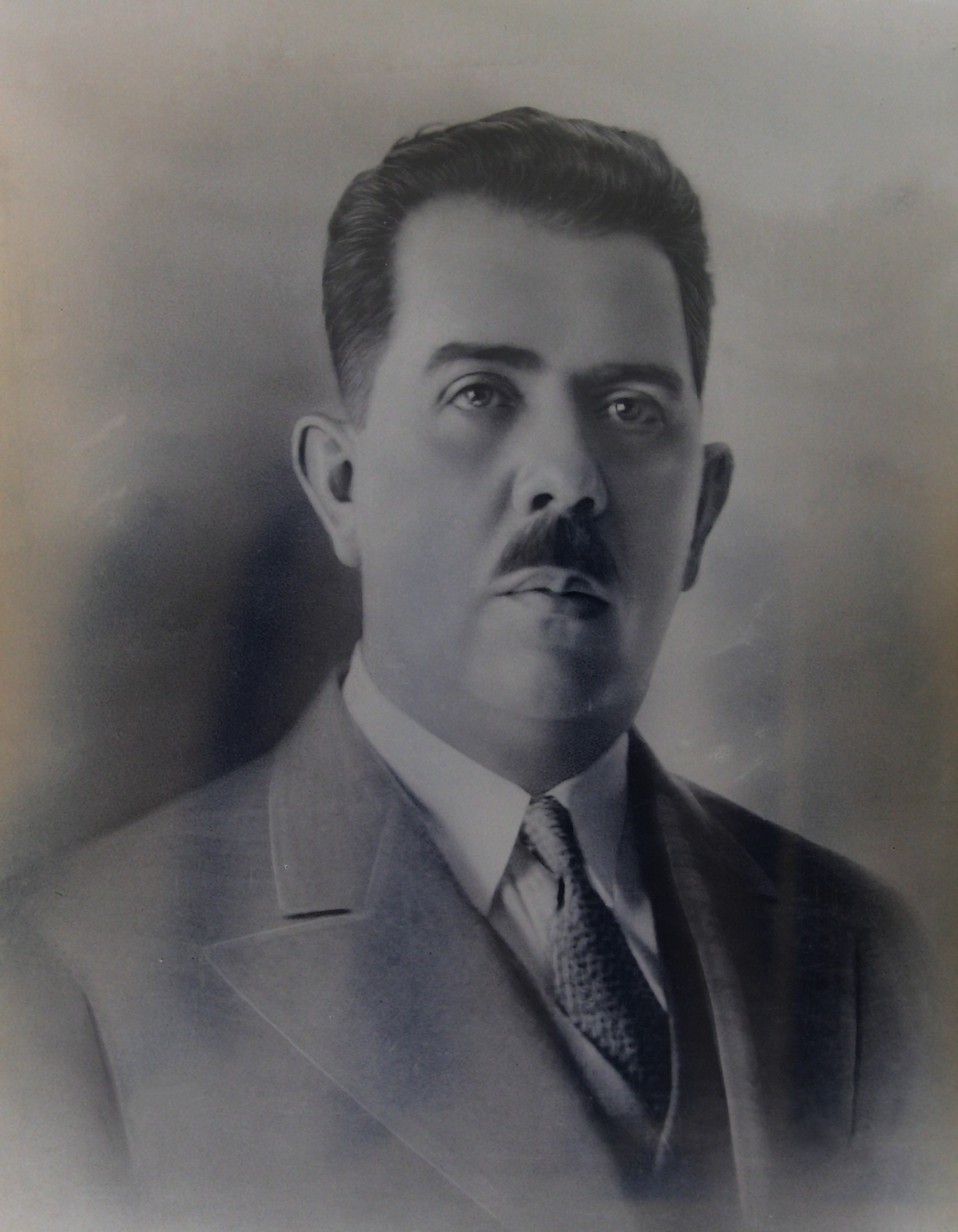
Cuauhtémoc Cárdenas Solórzano was born into a distinguished political family. His father, Lázaro Cárdenas, served as the President of Mexico from 1934 to 1940, and his mother, Amalia Solórzano, was a respected philanthropist. Through his mother's side, he has Purépecha ancestry. In 1963, he married Celeste Batel, with whom he shared his life for nearly six decades. Together, they raised three children. Their son, Lázaro Cárdenas Batel, followed in his father's footsteps into politics, serving as the governor of Michoacán from 2002 to 2008 and later as a senator. Celeste passed away in 2021. The family has maintained strong bonds, and Cuauhtémoc frequently shares anecdotes about the enduring values instilled in him by his parents.
Notable Connections
Relationships & Dating History
Cuauhtémoc Cárdenas entered into marriage with Celeste Batel in 1963. She was a steadfast partner throughout his political career, providing unwavering support during his campaigns and years of public service. The couple were blessed with three children, including their son Lázaro Cárdenas Batel. Celeste passed away in 2021, after 58 years of marriage. Since her passing, Cárdenas has remained a widower, and no new relationships have been reported.
- MarriedCeleste Batel1963 - 2021Married for 58 years until her death in 2021.
Salary, Net Worth In 2026
$10 Million
iFANN Editorial Team estimate
iFANN's editorial research currently estimates Cuauhtémoc Cárdenas's net worth at $10 million. This wealth derives from his extensive career in public service, including tenures as governor, senator, and Head of Government of Mexico City, supplemented by pensions and speaking engagements. Unlike many politicians, he has avoided significant business ventures, and his financial standing is modest relative to his political influence. His earnings have primarily come from government salaries and academic pursuits, with no public record of substantial investments or property holdings. This profile reflects a lifelong dedication to public service rather than personal accumulation, consistent with his widely perceived image of austerity and principle.
Awards & Accolades
View 1 records, honours and achievementsKnown For
Founder of the PRD
1989 · Co-founder
Head of Government of Mexico City
1997 · First elected head
1988 presidential campaign
1988 · Presidential candidate
Keywords
Sources
Quick Facts
- Profession
- civil engineer, politician
- Born
- May 1, 1934
- Birthplace
- Mexico City, Mexico
- Gender
- Male
- Birth Sign
- Taurus
Personal Details
- Full Name
- Cuauhtémoc Cárdenas Solórzano
- Spouse
- Celeste Batel (m. 1963, d. 2021)
- Children
- Lázaro Cárdenas Batel, Cuauhtémoc Cárdenas Batel, and one daughter
- Education
- National Autonomous University of Mexico (UNAM), civil engineering degree
Frequently Asked Questions
Who is Cuauhtémoc Cárdenas?
What is Cuauhtémoc Cárdenas's net worth in 2026?
Is Cuauhtémoc Cárdenas still alive?
What is Cuauhtémoc Cárdenas best known for?
How is Cuauhtémoc Cárdenas related to Lázaro Cárdenas?
Join the community
fans discussing