
Commonwealth of Nations
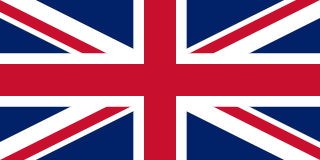 United Kingdom
"A voluntary association of 56 independent and equal member countries"
About
The Commonwealth of Nations is one of the world's oldest political associations of states, tracing its roots to the British Empire. It brings together 56 independent and equal countries spanning six continents, home to 2.7 billion people. Members range from major economies like the United Kingdom, Canada, Australia, and India to small island nations, with 33 members classified as small states.
Three core intergovernmental organizations drive the Commonwealth's work: the Commonwealth Secretariat, the Commonwealth Foundation, and the Commonwealth of Learning. The Secretariat, based at Marlborough House in London, coordinates programs on development, democracy, peace, trade, environmental protection, and education. More than 90 intergovernmental, civil, cultural, and professional organizations support member countries.
The Commonwealth is unique as a voluntary association with no legal obligations among members. Instead, they unite around shared values expressed in the Commonwealth Charter, including democracy, human rights, and the rule of law. The association tackles global challenges through collective action, from climate change to youth empowerment. King Charles III serves as the ceremonial Head of the Commonwealth, while Secretary-General Shirley Botchwey leads the Secretariat.
Mission
To support member governments and partners in improving the well-being of all Commonwealth citizens, advancing shared interests globally. The vision is a Commonwealth that is mutually respectful, resilient, peaceful, and prosperous, cherishing equality, diversity, and shared values. Member governments have agreed to goals including development, democracy, and peace, as expressed in the Commonwealth Charter.
History
The Commonwealth's roots lie in the British Empire. Starting in 1887, semi-independent colonies called Dominions held conferences with Britain. The 1926 Imperial Conference, attended by leaders from Australia, Canada, India, the Irish Free State, Newfoundland, New Zealand, and South Africa, established that these territories were autonomous communities within the British Empire, equal in status. This principle became the Balfour Declaration.
The modern Commonwealth was born with the London Declaration of 1949. Eight countries, Australia, Canada, India, New Zealand, Pakistan, South Africa, Sri Lanka, and the United Kingdom, reformed their relationship. Crucially, the declaration allowed republics and other countries to join without swearing allegiance to the British crown. King George VI became the first Head of the Commonwealth, followed by Queen Elizabeth II upon his death in 1952.
The Commonwealth Secretariat was created in 1965 as a central body to manage the association's work, separate from the British government. Membership grew rapidly as former colonies gained independence. The last two countries to join were Gabon and Togo in 2022, bringing the total to 56. Queen Elizabeth II's death in 2022 marked a transition, with King Charles III recognized as Head by member countries.
Subdivisions
Commonwealth Secretariat
The central intergovernmental organization that coordinates the Commonwealth's work, manages programs, and supports member countries.
Commonwealth Foundation
Intergovernmental organization focused on civil society engagement, supporting people's participation in development and governance.
Commonwealth of Learning
Intergovernmental organization promoting open learning and distance education across member countries.
Notable People
King Charles III
Head of the Commonwealth · 2022-present
Succeeded Queen Elizabeth II as ceremonial head, chosen by member countries.
Queen Elizabeth II
Head of the Commonwealth · 1952-2022
Longest-serving Head, oversaw expansion from 8 to 56 members.
King George VI
Head of the Commonwealth · 1949-1952
First Head of the modern Commonwealth, signed the London Declaration.
Shirley Botchwey
Secretary-General · 2024-present
Current operational head of the Commonwealth Secretariat.
Milestones
1887
First Colonial Conference of Dominion leaders with Britain, beginning the tradition of regular meetings.
1926
Imperial Conference establishes the Balfour Declaration, defining Dominions as autonomous and equal.
1949
London Declaration creates the modern Commonwealth, allowing republics to join without swearing allegiance to the crown.
1965
Commonwealth Secretariat established as a central intergovernmental organization.
2022
Gabon and Togo join, becoming the 55th and 56th members. Queen Elizabeth II dies; Charles III becomes Head.
Sources
Organization Info
- Founded
- 1949-04-28
- Headquarters
- Marlborough House, Pall Mall, London, United Kingdom
- Country
- United Kingdom
- Secretary-General
- Shirley Botchwey
- Type
- Government
- Member Countries
- 56
- Population Represented
- 2.7 billion
- Small States
- 33
Official Website
thecommonwealth.org
Join the community
fans discussing