 United States
About
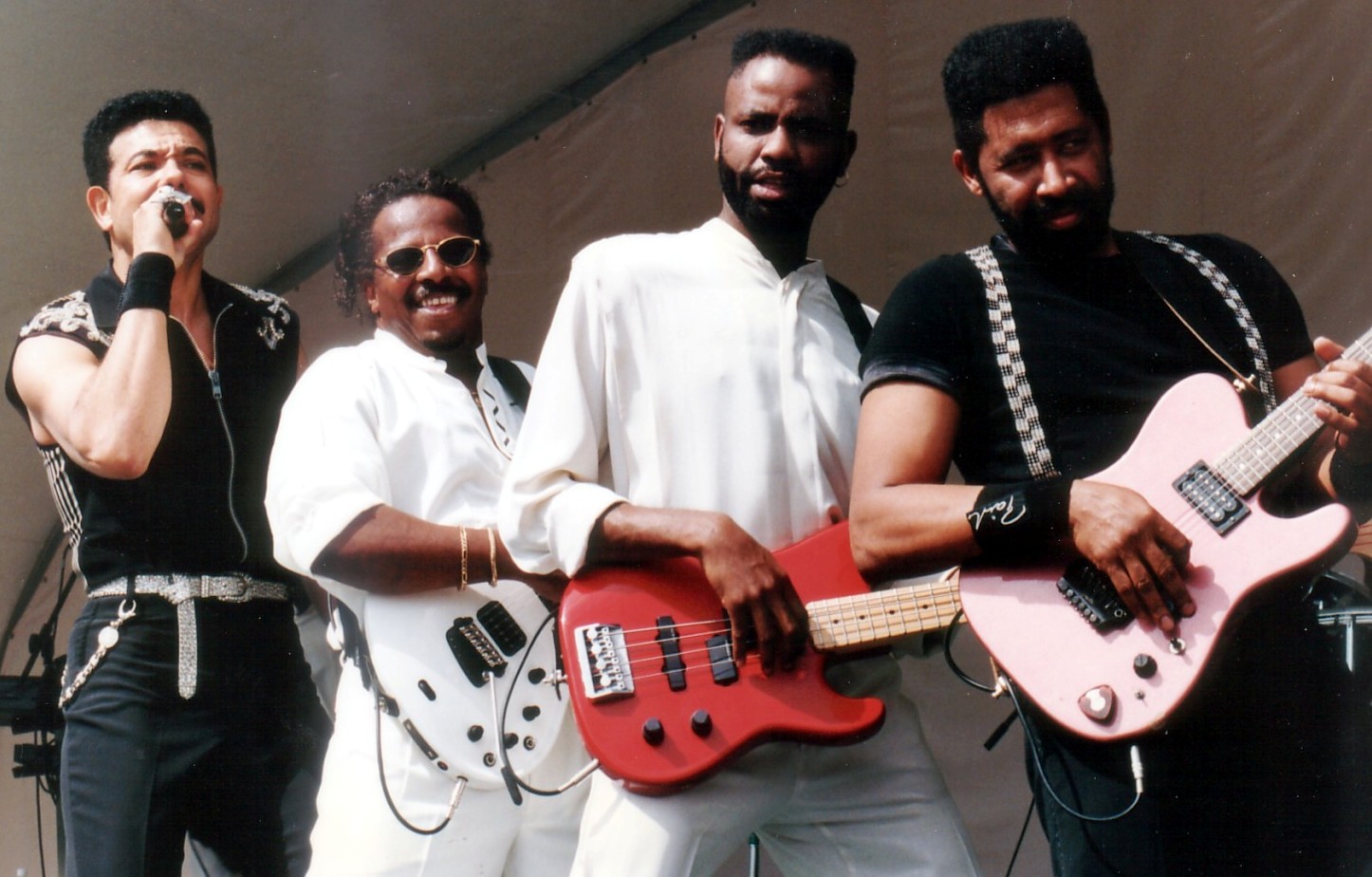
The Commodores currently operate as an active touring entity led by founding bassist Ronald LaPread. While they no longer release new studio albums at a regular pace, their legacy drives a robust schedule of concerts across the United States and internationally. The group is defined by a catalog that seamlessly blends the raw energy of early funk with the polished production of disco and the emotional depth of R&B ballads. Fans connect with the band through a shared appreciation for their unique ability to master multiple genres within a single setlist.
Today, the group stands as a testament to the power of student bands turning professional. With over 70 million albums sold worldwide, their commercial success rivals many major pop acts. The current lineup focuses on preserving the sonic integrity of their classic hits while delivering the high-octane stage presence that made them stars in the 1970s. Their continued activity proves that their music resonates with new generations just as strongly as it did with those who grew up listening to "Brick House" or "Easy".
Formation Story
The story begins in 1968 at Tuskegee Institute, now known as Tuskegee University, where seven freshmen students formed a musical ensemble. Originally named The Kool & the Gang, the group included Lionel Richie, Thomas McClary, William King, Walter Orange, Ronald LaPread, Milan Williams, and James Ingram. They adopted the name Commodores after admiring the sleek design of the Commodore car brand, changing their identity to avoid confusion with another popular band of the same name.
Training was informal yet rigorous, taking place within the university's music department. The members honed their skills in jazz, funk, and soul through self-directed rehearsals. Their big break arrived in 1972 when they were hired to open for the Jackson 5 on tour. This exposure caught the attention of Motown Records executives, leading to a contract signing in November of that year. The group officially debuted with their self-titled album Commodores in 1974, though their initial chart success was modest compared to what followed.
Their breakthrough came in 1977 with the release of Natural High and the funk anthem "Brick House." The song became a signature track that showcased their ability to craft infectious dance rhythms. This period marked a shift from their earlier jazz-funk roots toward a more commercially viable sound that would dominate the airwaves for years. The collaboration between Richie's songwriting and the band's instrumental prowess created a formula that would define their career.
Members
Former Members
Lionel Richie (Lionel Brockman Richie Jr.)
Lead Vocals, Songwriter, Percussion · 1968–1982
Thomas McClary (Thomas McClary)
Guitar, Lead Vocals · 1968–1983
William King (William King)
Percussion, Dance, Backing Vocals · 1968–1983
Milan Williams (Milan Williams)
Keyboards, Organ · 1968–1983
James Ingram (James Ingram)
Vocals · 1968–1969
Alvin Fields (Alvin Fields)
Drums · 1968–1972
Walter Orange (Walter Orange)
Trumpet, Percussion, Backing Vocals · 1968–2023
Musical Style
The Commodores' sound evolved significantly throughout their career. Their early work in the mid-1970s featured hard-driving funk and soul heavily influenced by jazz. Tracks like "Machine Gun" and "Too Hot ta Trot" highlighted their tight instrumentation and rhythmic complexity. This era established them as serious musicians capable of intricate arrangements.
By the late 1970s, the group transitioned into a smoother style that blended disco and R&B. Lionel Richie's songwriting played a pivotal role in this shift, resulting in timeless ballads like "Easy" and "Three Times a Lady." These tracks demonstrated a versatility that allowed them to appeal to a broader audience beyond funk enthusiasts. The production became more polished and radio-friendly without losing the core elements of their soulful roots.
After Lionel Richie's departure in 1982, the band adapted to a contemporary R&B and pop sound. Albums like Midnight Magic and Commodores 6 attempted to maintain relevance in a changing musical landscape. Even in their later years, the group has returned to their classic funk roots, blending original hits with modern arrangements to keep their live shows fresh and engaging.
Discography
| Title | Year |
|---|---|
| Commodores | 1974 |
| Commodores II | 1975 |
| Commodores III | 1976 |
| Natural High | 1977 |
| Commodores Live! | 1977 |
| Hot on the Tracks | 1978 |
| Commodores IV | 1979 |
| Midnight Magic | 1980 |
| Commodores 6 | 1982 |
| Nightshift | 1985 |
| Back on the Right Track | 1986 |
Tours
The Nightshift Tour
1985 · 50+ shows
Legacy Tour
2000-Present · Ongoing shows
Cultural Impact
The Commodores played a significant role in bridging the gap between funk and soul music. Their success helped bring African American artists to the forefront of mainstream pop culture during the 1970s and 1980s. Lionel Richie's songwriting elevated the group's profile, making them one of Motown's most profitable acts. Their music has been featured in countless films, TV shows, and commercials, cementing their place in popular culture.
Their influence extends beyond the charts. Songs like "Brick House" have become cultural touchstones, frequently sampled and referenced in hip-hop and other genres. The band's ability to cross over from R&B to pop audiences paved the way for future artists to achieve similar success. They also contributed to the civil rights movement through their music and advocacy, using their platform to support social causes.
Fandom Culture
Fans of the Commodores often gather for tribute concerts and special events celebrating the band's legacy. While there is no official fandom name or lightstick associated with the group, the community is united by a deep appreciation for their timeless hits. Concertgoers frequently sing along to every word of classics like "Nightshift" and "Lady (You Bring Me Up)," creating an atmosphere of shared nostalgia and joy.
Awards Won (3)
The Commodores have won one Grammy Award out of nine nominations. Their sole win came in 1986 for Best Pop Performance by a Duo or Group with Vocals for the song "Nightshift." Beyond the Grammy, the group has received lifetime achievement awards from various organizations, including the National Association of Recording Merchandisers.
Best Pop Performance by a Duo or Group with Vocals
for: Nightshift
Best Rhythm & Blues Vocal Performance – Duo, Group Or Chorus
for: "Nightshift"
Milestones
Formed at Tuskegee Institute
Signed with Motown Records
Breakthrough with 'Brick House'
Lionel Richie departs for solo career
'Nightshift' wins Grammy Award
Walter Orange passes away
Trivia
The group was originally called 'The Kool & the Gang' before changing their name to avoid confusion with another band., Lionel Richie wrote many of the group's biggest hits, including 'Easy' and 'Three Times a Lady'., The band's name comes from the 'Commodore' brand of cars, which they admired for their sleek design., James Ingram, a former member, went on to win multiple Grammys as a solo artist., The band's live performances are known for their high energy and tight musicianship, even decades after their initial success.
Keywords
Sources
Quick Facts
- Formed
- 1968
- Origin
- Tuskegee, Alabama
- Label
- Motown Records
- Genres
- Funk, Soul, R&B
- Status
- Active
- Total Sales
- 70 Million+
Group Info
- Formed
- 1968
- Debut
- 1974-04-09
- Debut Song
- Machine Gun
- Origin
- Tuskegee, Alabama, U.S.
- Company
- The Commodores Live
- Label
- Motown Records
- Status
- Active
Also Known As
Join the community
fans discussing