
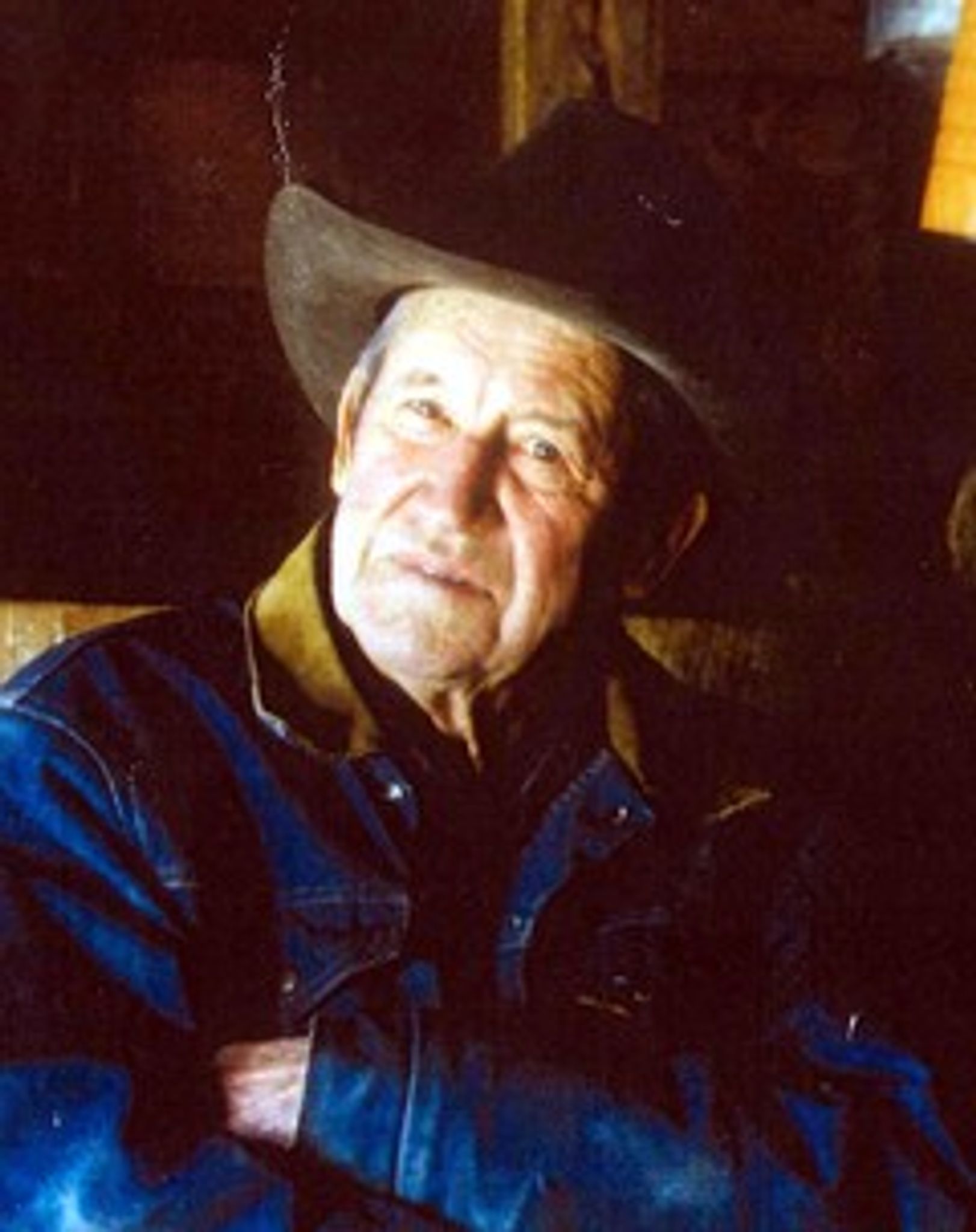
Clifford Olson
 Canada
Also known as: Clifford Robert Olson Jr., The Cash-for-Bodies Killer
Birthday
January 1, 1940
Birth Sign
Capricorn
Birthplace
Vancouver, British Columbia
Age
Died at 71
About
Clifford Robert Olson Jr. was a Canadian serial killer from Vancouver, British Columbia, widely recognized as Canada's first modern, officially recognized serial killer. Born on January 1, 1940, and dying on September 30, 2011, at age 71, Olson confessed to the first-degree murder of 11 children and youths between the ages of 9 and 18 in the early 1980s. His crimes shocked the nation, leading to significant changes in how law enforcement handled serial killer investigations and public safety protocols. Unlike many criminals who deny guilt, Olson confessed, though he initially claimed to have killed more children, creating a narrative of partial truth and continued manipulation. He is universally viewed as a monster rather than a cultural icon, with his legacy defined entirely by the horror of his actions and the unique circumstances of his arrest.
Early Life & Background
Clifford Robert Olson Jr. was born on January 1, 1940, in Vancouver, British Columbia, growing up in a working-class environment where specific details regarding his parents' occupations remain less documented than his adult criminal activities. Before his infamy as a murderer, Olson established a reputation as a career criminal and a skilled con artist. He spent much of his young adulthood involved in various fraudulent schemes during the 1960s and 1970s, which laid the groundwork for his later ability to manipulate systems and people. By the mid-1970s, he was already entrenched in the criminal justice system. In 1976, while serving a prison sentence for fraud, Olson employed a manipulative tactic that would foreshadow his future dealings with authorities. He acted as an informant against a cellmate, successfully coaxing a written confession from the man. This incident highlighted his capacity for psychological manipulation and his willingness to exploit the legal system for personal gain or favor. It was during conversations with this same cellmate that Olson later claimed his sexual interest in children and his murderous impulses were sparked.
Career Growth
In the summer of 1981, Olson's killing spree came to light after he was arrested for other crimes. While in custody, he struck a notorious bargain with the Royal Canadian Mounted Police (RCMP) and the media. Olson offered to reveal the locations of his victims' bodies in exchange for money and protection from the death penalty. He demanded $10,000 for each body he could lead police to. On June 29, 1981, Olson led police to the first grave, and over the following weeks, he guided them to the remaining sites across the Fraser Valley, including near Chilliwack and Abbotsford. Over the course of negotiations, he received over $100,000 in total before leading authorities to the gravesites of 11 murdered children. Olson eventually pleaded guilty to 11 counts of first-degree murder in January 1982. Following his conviction, Olson was sentenced to life imprisonment without eligibility for parole for 25 years. However, due to the severity of his crimes and the number of victims, the sentence was effectively a life sentence without the possibility of release until the end of his natural life. He was incarcerated at the Archambault Centre for Forensic Psychiatry in Saint-Sauveur, Quebec, where he maintained a low profile but remained a figure of intense public interest.
Career Timeline
Public Image & Style
Olson is universally viewed as a monster rather than a cultural icon. Media coverage remains strictly journalistic, focused on the tragedy of his victims and the chilling mechanics of his crimes. He did not cultivate a public persona through fashion or content; instead, his image is defined entirely by the horror of his actions. True-crime enthusiasts study his case with morbid curiosity, but they do not campaign to keep his work on streaming services or erect billboards in his memory. The enduring cultural memory is defined entirely by the horror of his actions, specifically the 'cash for bodies' deal. Unlike celebrities whose images are carefully managed, Olson's reputation is one of pure revulsion. He never expressed genuine remorse for his actions, maintaining a cold and calculating demeanor throughout his incarceration, which further cemented his status as a figure of fear rather than admiration.
Fame & Fandom (iFAMOUS Rankings)
iFANN has evaluated Clifford Olson but does not currently list him in the published Global Top 1,000 rankings for positive contributions. There is no organized fanbase for this person. No group rallies in his name, and no rituals exist to honor a man who lured children into his home and buried them on the Fraser Valley floor. The concept of a fandom here is a contradiction; he is universally viewed as a monster rather than a cultural icon. Media coverage remains strictly journalistic, focused on the tragedy of his victims and the chilling mechanics of his crimes rather than any form of adoration or loyalty. While true-crime enthusiasts study his case with morbid curiosity, they do not campaign to keep his work on streaming services, nor do they erect billboards or fund projects in his memory. The enduring cultural memory is defined entirely by the horror of his actions, specifically the 'cash for bodies' deal where he demanded $10,000 per grave before leading authorities to the sites of 11 murdered children. He ranks highly among infamous criminals in negative metrics but holds no place in legitimate honors or awards.
Interesting Facts and Legends
Clifford Olson was not just a killer but a con artist before his murders, using his skills to manipulate others even in prison. He initially claimed to have killed more than 11 children, but evidence only supported the 11 he confessed to. The 'cash for bodies' deal was unique in Canadian history, as it was one of the few times a criminal negotiated with police for payment to solve a case. Olson's victims were often lured into his home under false pretenses, such as offering them jobs or rides. Despite his notoriety, Olson never expressed genuine remorse for his actions, maintaining a cold and calculating demeanor throughout his incarceration. Specific physical attributes such as height and weight are not consistently recorded, but descriptions indicate he was an average-sized male, typical for a construction worker of his era. One notable quote attributed to him involves his negotiation with the police: "I will tell you where the bodies are... for $10,000 each." Another statement reflecting his mindset was, "I am not sorry. I did what I did." These quotes highlight his transactional approach to his crimes.
Notable Quotes
“I will tell you where the bodies are... for $10,000 each.”
“I am not sorry. I did what I did.”
Family & Personal Life
Details about Clifford Olson's family are scarce and shrouded in secrecy, likely due to the stigma associated with his crimes and the privacy afforded to his family to protect them from harassment. He was a married man, though the identity and background of his spouse are not extensively documented in public records. Specific details regarding his household composition, siblings, pets, or childhood stories are not available in credible sources. The concept of a detailed family biography does not apply here; instead, the record is defined by absence and the protective silence surrounding his relatives. There is no public record of children he fathered, nor are there any reports of romantic relationships outside of his marriage that have been confirmed by credible sources. As of his death in 2011, he was widowed, and he left no surviving children known to the public. His personal life was overshadowed by his horrific actions, leaving little room for traditional family narratives.
Notable Connections
Relationships & Dating History
Clifford Olson was a married man, though details about his spouse and family life are not extensively documented in public records, likely due to the stigma associated with his crimes and the privacy afforded to his family to protect them from harassment. Unlike celebrities or public figures whose personal lives are scrutinized, Olson's personal life was shrouded in secrecy and overshadowed by his horrific actions. He did not have a public dating history, engagements, or high-profile flings. His only significant relationship mentioned in biographical contexts is his marriage, details of which remain private. There is no public record of children he fathered, nor are there any reports of romantic relationships outside of his marriage that have been confirmed by credible sources. As of his death in 2011, he was widowed, and he left no surviving children known to the public. The concept of a 'dating history' or 'fandom' does not apply to Olson in the traditional sense.
Death & Aftermath
Died
September 30, 2011 (aged 71)
Death Place
Saint-Sauveur, Quebec
Cause of Death
cancer
Clifford Robert Olson Jr. died on September 30, 2011, at the age of 71, inside the Archambault Institution in Saint-Sauveur, Quebec. The official cause of death was reported as cancer. His passing marked the natural conclusion of an incarceration that had begun decades earlier after he confessed to murdering 11 children. Public reaction settled into relief and somber reflection rather than celebration. Relatives of his victims spoke of closure, though some expressed frustration over Olson's refusal to reveal the locations of several potential bodies before he died. Funeral arrangements were kept private to avoid media spectacle and further distress to the victims' families. No public burial or cremation details were released. Statements from his family were minimal, focusing on their grief rather than any attempt to rehabilitate his image. Posthumously, Olson's legacy remains limited to his continued mention in true crime documentaries, podcasts, and historical records as a cautionary figure in Canadian criminal history.
Net Worth (Estate Value)
$0
iFANN Editorial Team estimate
As a convicted serial killer who spent the majority of his adult life in prison, Clifford Olson did not accumulate wealth through conventional means like salaries, business ventures, or endorsements. Any financial resources he possessed prior to his imprisonment were likely seized or dissipated through legal fees and fines. There is no credible data suggesting a net worth as of 2026, as he has been deceased since 2011. His estate, if it existed, would have been managed by the state or his family, but no significant posthumous revenue streams (such as book deals or movie rights) have been generated by Olson himself, unlike some other notorious criminals whose estates profit from their infamy. The 'wealth' of his legacy is purely reputational and morbid curiosity-driven, not financial. Unlike celebrities who build empires, Olson's financial footprint is negligible, marked only by the costs of his legal battles and the lack of any successful commercial exploitation of his story by himself.
Awards & Accolades
Known For
Cash for Bodies Deal
1981 · Serial Killer
Keywords
Sources
Quick Facts
- Profession
- criminal, serial killer
- Born
- January 1, 1940
- Birthplace
- Vancouver, British Columbia
- Died
- September 30, 2011
- Death Place
- Saint-Sauveur, Quebec
- Gender
- Male
- Birth Sign
- Capricorn
Personal Details
- Full Name
- Clifford Robert Olson Jr.
- Children
Frequently Asked Questions
Who was Clifford Olson?
How many children did Clifford Olson kill?
What was the 'cash for bodies' deal?
When and how did Clifford Olson die?
Is Clifford Olson still alive?
Similar People
Join the community
fans discussing