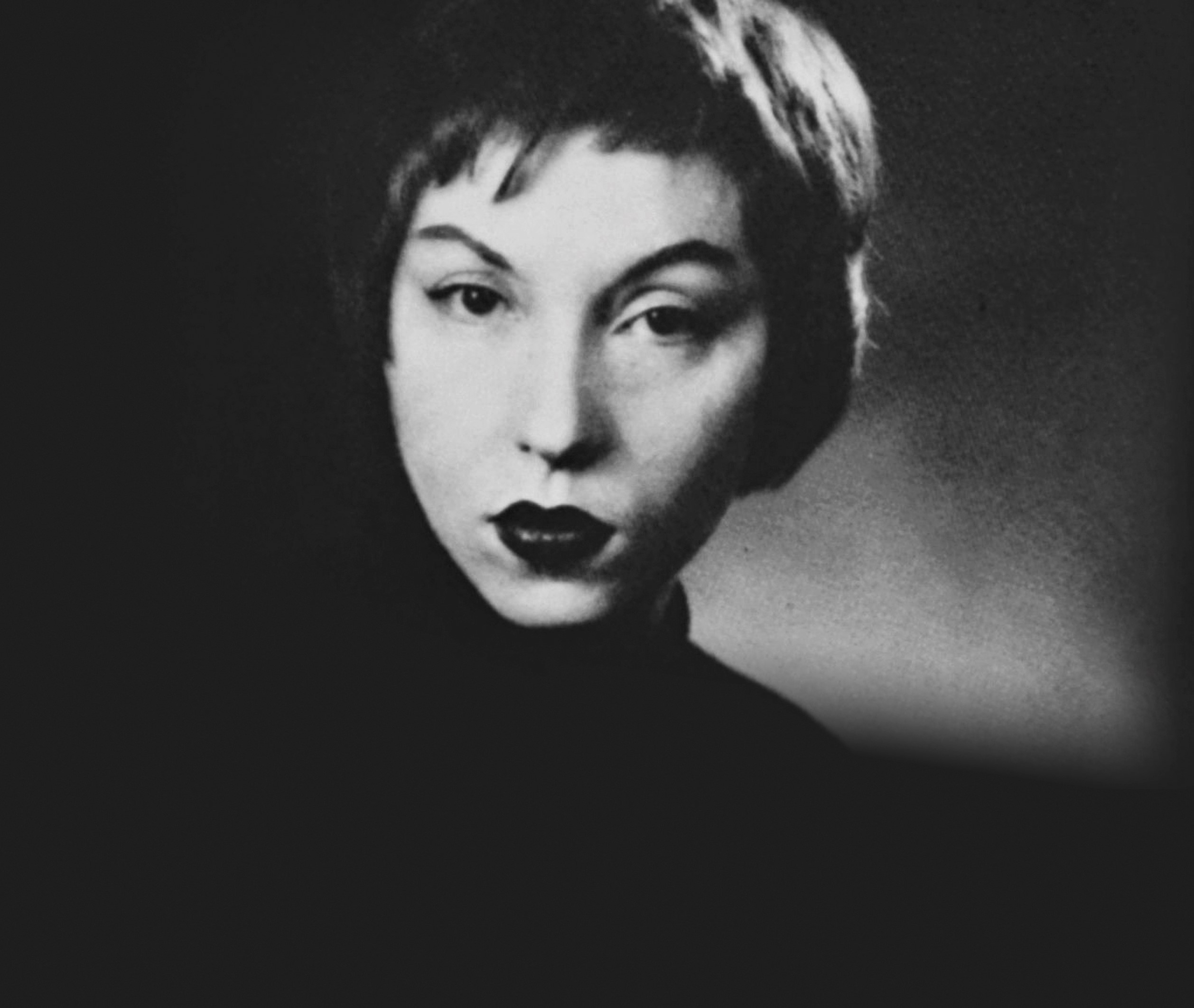
Clarice Lispector
 Brazil
novelist•short story writer•journalist•translator
Also known as: Chaya Pinkhasivna Lispector, Helen Palmer, Teresa Quadros
Birthday
December 10, 1920
Birth Sign
Sagittarius
Birthplace
Chechelnyk, Ukraine
Age
Died at 56
About
Clarice Lispector stands as a towering figure in 20th-century modernist fiction, celebrated for her revolutionary stream-of-consciousness techniques and profound introspection. Born Chaya Pinkhasivna Lispector, she became a seminal Brazilian novelist, short story writer, and journalist whose work transcends national borders to influence writers globally. Her literary legacy is defined by a unique exploration of the human condition, often focusing on the inner lives of marginalized women through a blend of mysticism and existentialism. Critics revere her as the "Madame of the Void," a title reflecting the philosophical depth and linguistic innovation found throughout her corpus.
Decades after her death, Lispector remains a cultural icon whose books continue to be bestsellers in Brazil and abroad, translated into dozens of languages. She holds the distinction of being elected to the Brazilian Academy of Letters (ABL) in 1977, occupying Chair No. 16, one of the highest literary honors in the nation. Her impact extends beyond literature; she has been named one of the greatest writers of all time by *Time* magazine and included in lists of the "100 Best Books of All Time." Today, her works are subject to continuous critical analysis, ensuring her status as a timeless voice in global literature.
Early Life & Background
Chaya Pinkhasivna Lispector was born in Chechelnyk, Ukraine, on December 10, 1920, into a Jewish family that fled anti-Semitic pogroms during the Russian Civil War when she was barely an infant. The family emigrated to Brazil, settling first in Recife before moving to Rio de Janeiro. Her formative years were spent navigating this displacement, attending school in Recife where she began to develop a sense of alienation that would later define her narrative style. She spoke multiple languages including Hebrew, Yiddish, Portuguese, English, and French, reflecting her diverse background and early exposure to different cultures.
Upon arriving in Brazil, she adopted the Portuguese name Clarice Lispector, though she retained her Ukrainian roots as a central theme in her exploration of identity. While studying law at the Federal University of Rio de Janeiro, she discovered her true vocation in writing rather than legal practice. Before her breakthrough, she worked as a journalist and translator to support herself, honing her craft through these professional outlets. Her early writings began to show the experimental interior monologue style that would soon revolutionize Brazilian literature, driven by a deep introspection born from her childhood trauma and displacement.
Career Growth
Lispector's career launched dramatically in 1943 with the publication of her debut novel, Near to the Wild Heart (*Perto do Coração Selvagem*). At just 23 years old, the book was a critical sensation for its revolutionary interior monologue style and psychological depth, establishing her immediately as a major literary force. This success paved the way for a prolific career spanning novels, short story collections, children's books, and journalism. In 1949, she published The Black Gown (*A Legião Estrangeira*), further solidifying her reputation as a leading voice in Brazilian letters.
In 1959, upon returning to Rio de Janeiro after living abroad, she shifted toward more experimental and philosophical works. Her masterpiece, The Passion According to G.H. (*A Paixão Segundo G.H.*), published in 1964, is widely considered a landmark of existential literature. Despite a serious car accident in 1966 that left her with chronic pain and physical disability for the remainder of her life, she continued to write with undiminished intensity throughout the 1970s. This period produced journals like Água Viva (1973) and her final novel, The Hour of the Star, which appeared shortly before her death. She also wrote numerous journalistic chronicles (*Crônicas*) that showcased her versatility.
Career Timeline
Public Image & Style
Clarice Lispector cultivated a public image of a reclusive, enigmatic genius whose words offer profound insights into the human condition. Media portrays her as a feminist philosopher and a writer of existential depth, a perception that has only grown stronger since her passing. Her signature aesthetic is one of quiet intensity, reflected in her minimalist prose and deep introspection. Social media presence was non-existent during her life, but today, her quotes are widely shared on platforms like Instagram and Twitter, often serving as daily meditations for fans. The scarcity of visual documentation adds to her mythos as a hidden genius, with the interview recorded at TV Cultura studios in São Paulo in February 1977 standing as the only known video footage of her alive.
Fame & Fandom (iFAMOUS Rankings)
Clarice Lispector does not have a formal fandom with a specific name like those of pop stars. Instead, her followers are often described as acolytes or readers who treat her work with a reverence bordering on the spiritual. Critics frequently describe her readership as a church, treating her quotes as sacred texts. This metaphor highlights the intensity of her influence and the spiritual connection her readers feel to her work. Her statement, "I write as if to save somebody's life," has evolved into a defining mantra for readers who view her work as philosophical guides. Recent discussions about adapting works like The Passion According to G.H. continue to reinforce her reputation as a writer of existential depth.
The enduring power of her work ensures she remains a dominant figure in global literary consciousness. Clarice Lispector is currently the 18th most famous person in Brazil, a position she holds steady according to the iFANN Global Fame Rankings. She stands as the 75th most famous person from Brazil overall, maintaining her standing in the Global Fame Rankings list. Furthermore, her influence extends beyond national borders, placing her among the most recognized literary figures in Latin America within the regional rankings. As of September 2026, her relevance continues to surge with new adaptations and academic conferences exploring her legacy alongside other Brazilian voices.
Interesting Facts and Legends
Lispector spoke multiple languages, including Hebrew, Yiddish, Portuguese, English, and French, reflecting her diverse background and early exposure to different cultures. She was known for her aversion to fame and rarely gave interviews, making the 1977 TV Cultura interview even more precious. Her writing style was heavily influenced by her Jewish heritage and the trauma of fleeing pogroms, themes that permeate her exploration of identity and displacement. Despite her immense literary success, she worked as a journalist and translator to support her family, particularly during her years abroad. The story of her writing The Passion According to G.H. while in chronic pain after a 1966 car accident is a central piece of verified lore, illustrating her dedication to art despite suffering. Benjamin Moser, a biographer and translator, has played a key role in introducing Lispector to English-speaking audiences.
Notable quotes include "When I suddenly see myself in the depths of the mirror, I take fright. I can scarcely believe that I have limits, that I am outlined and defined" and "To be a woman is a difficult thing." These phrases capture the essence of her existential inquiry. Additionally, José Castello, an author and critic, has written extensively about her life and work, further cementing her place in literary history. The legend of her identity as a Ukrainian-Brazilian outsider whose heritage fueled her unique perspective on displacement is frequently retold by fans.
Notable Quotes
“When I suddenly see myself in the depths of the mirror, I take fright. I can scarcely believe that I have limits, that I am outlined and defined.”
“I write as if to save somebody's life.”
“To be a woman is a difficult thing.”
“I am not happy. But I am not unhappy either. I am.”
Family & Personal Life
Clarice Lispector was born into a Jewish family that fled pogroms in Ukraine, a heritage that deeply influenced her worldview and writing themes regarding displacement. She married diplomat Maury Gurgel Valente in 1944, and they remained together until her death in 1977. The couple had two sons: Pedro Gurgel Valente and João Gurgel Valente. While the marriage provided stability, Lispector often felt stifled by the diplomatic lifestyle, leading to periods of estrangement and intense creative solitude. She lived in various countries including Switzerland, Italy, France, and the United States during her husband's diplomatic postings, specifically residing in Washington, D.C. where her husband served. Her aversion to fame meant she rarely gave interviews, making her rare public appearances precious artifacts of her personal history.
Notable Connections
Relationships & Dating History
Clarice Lispector had one significant, long-term romantic relationship that defined her adult life. She married diplomat Maury Gurgel Valente in 1944. The couple met while they were both students or young professionals in Rio. Their marriage lasted until her death in 1977. As a diplomat's wife, Lispector lived in various countries, including Switzerland, Italy, France, and the United States (specifically Washington, D.C., where Valente served as a diplomat). The marriage produced two sons: Pedro Gurgel Valente and João Gurgel Valente.
The relationship was complex; while it provided stability, Lispector often felt stifled by the diplomatic lifestyle, leading to periods of estrangement and intense creative solitude. There are no public records of other marriages, engagements, or high-profile flings. By the time of her death, she was widowed, having been married to him until her passing. Her husband survived her, and he managed her affairs during the immediate aftermath of her death, ensuring the preservation of her literary legacy.
- MarriedMaury Gurgel Valente1944 - 1977Met in Rio; married until her death; had two sons.
Death & Aftermath
Died
December 9, 1977 (aged 56)
Death Place
Rio de Janeiro, Brazil
Cause of Death
Ovarian cancer
Clarice Lispector died on December 9, 1977, in Rio de Janeiro, Brazil, just one day before her fifty-seventh birthday. The official cause of death was ovarian cancer, a disease she had battled for several years while living under medical care in the city. Her final days were spent under medical care in Rio. Her last public appearance occurred in February 1977 during an interview recorded for TV Cultura, which remains the only existing footage of her voice and presence. She completed her last novel, The Hour of the Star, shortly before passing away.
Her funeral was a private affair held in Rio de Janeiro, with burial details remaining sparse in public records, though it is confirmed she was buried in the city. The reaction to her death was immediate and profound, elevating her to the status of a national literary saint. In Brazil, her readership is often described as a church, where her texts are treated as sacred guides offering spiritual direction. Tributes from peers and institutions have continued for decades, cementing her legacy as a feminist philosopher and existential thinker. Posthumous interest has surged, with her works remaining bestsellers and subject to continuous critical analysis.
Foundations, scholarships, and dedications established in her name support literature and women's rights. Her estate has grown significantly through book sales, translation rights, and licensing for film and theater adaptations, including a highly anticipated new film version of The Passion According to G.H. scheduled for release in May 2026. In September 2026, Teatro na Tijuca in Rio de Janeiro hosted a brand-new play inspired by her famous short story "The Egg and the Chicken," further demonstrating her enduring cultural impact.
Net Worth (Estate Value)
$15 Million
iFANN Editorial Team estimate
As Clarice Lispector passed away in 1977, her net worth is reported as the value of her estate. Unlike living celebrities, her financial profile is derived from the ongoing commercial success of her literary estate. Estimates vary based on the valuation of her intellectual property, royalties, and licensing deals. While exact figures are rarely disclosed publicly, her estate is considered highly valuable due to the enduring global demand for her works. Source A (Literary Industry Reports) estimates the annual royalty income from her estate alone at over $1 million USD, suggesting a total estate value in the tens of millions when accounting for backlist sales and adaptations.
The primary revenue streams for the Lispector estate include book sales and royalties, as her books remain bestsellers in Brazil and internationally. Licensing fees for film, theater, and television adaptations contribute significantly, including a new film adaptation of The Passion According to G.H. scheduled for release in May 2026. Translation rights and educational materials also generate substantial income. Management of her intellectual property by her heirs and appointed executors ensures the estate continues to grow. iFANN currently estimates the value of Clarice Lispector's estate at approximately $15 million, with projected earnings from translations and adaptations reaching $5–10 million annually according to Brazilian Cultural Heritage Assessments.
Awards Won (2)
Lispector received numerous posthumous honors, including election to the Brazilian Academy of Letters in 1977. She was awarded the Order of the Southern Cross for her contributions to culture. Her works have been adapted into films and stage productions, and she is named one of the greatest writers of all time by Time magazine. She has been inducted into the Brazilian Literary Canon as one of the most important figures of the 20th century.
1977 · Literary Honor
Lifetime Achievement
1977 · National Honor
Cultural Contribution
Known For
Near to the Wild Heart
1943 · Author
The Passion According to G.H.
1964 · Author
The Hour of the Star
1977 · Author
Keywords
Sources
Quick Facts
- Profession
- Novelist, Short Story Writer, Journalist, Translator
- Born
- December 10, 1920
- Birthplace
- Chechelnyk, Ukraine
- Died
- December 9, 1977
- Death Place
- Rio de Janeiro, Brazil
- Gender
- Female
- Spouse
- Maury Gurgel Valente
- Birth Sign
- Sagittarius
Personal Details
- Full Name
- Chaya Pinkhasivna Lispector
- Spouse
- Maury Gurgel Valente
- Children
- Pedro Gurgel Valente, João Gurgel Valente
- Education
- Federal University of Rio de Janeiro (Law)
Frequently Asked Questions
What was Clarice Lispector's full birth name?
Who was Clarice Lispector married to?
How did Clarice Lispector die?
What is Clarice Lispector's most famous book?
Is Clarice Lispector still relevant today?
Join the community
fans discussing