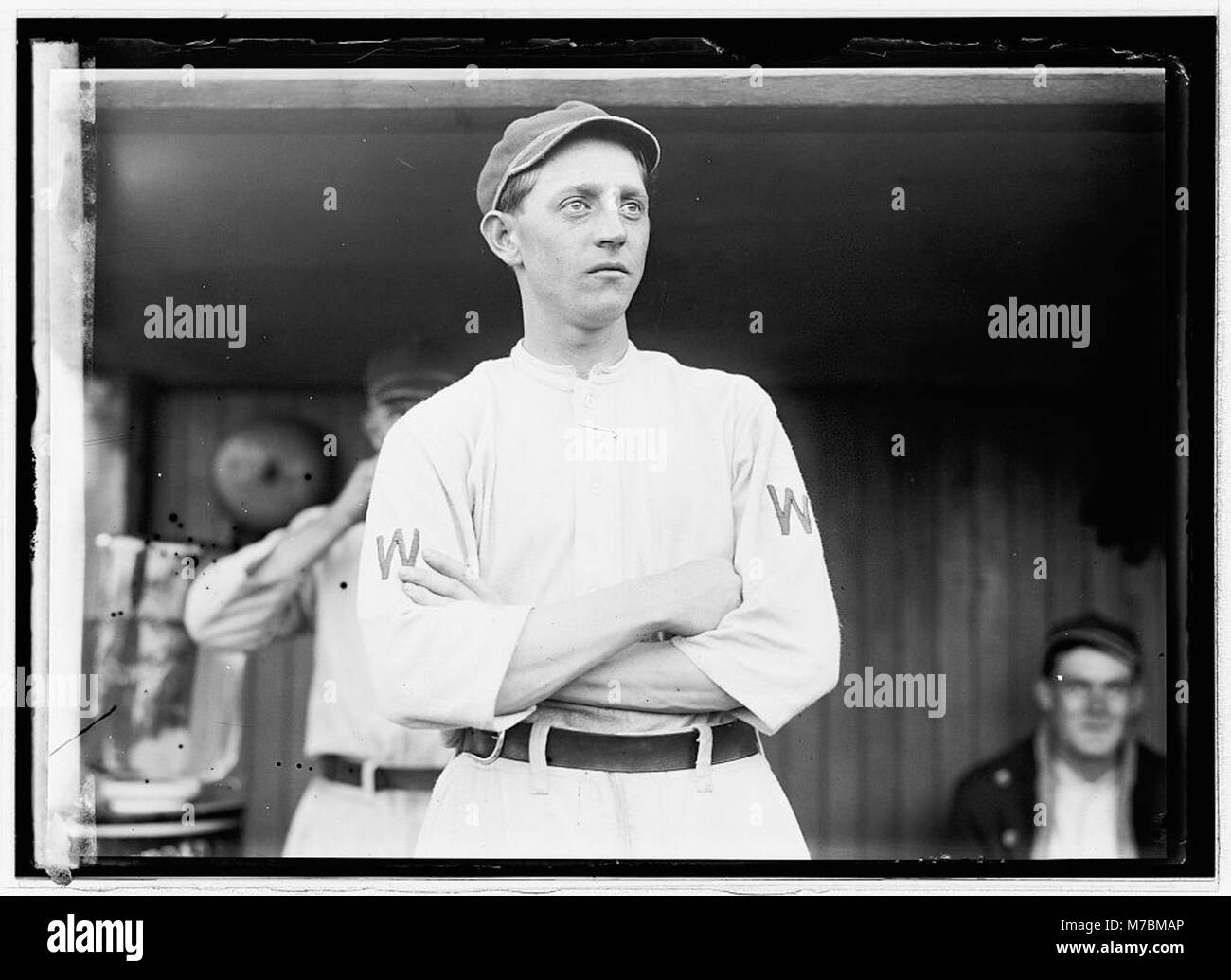
Clarence Walker
 South Africa
Also known as: Sal Walker
Birthday
December 13, 1898
Birth Sign
Sagittarius
Birthplace
Gqeberha, South Africa
Age
Died at 58
About
Clarence Leonard "Sal" Walker was a South African bantamweight boxer who claimed Olympic gold in 1920. Born on 13 December 1898 in Port Elizabeth, now Gqeberha, he outpointed Canada's Chris Graham in the final at the Antwerp Summer Games, becoming one of his country's earliest Olympic boxing champions. That victory remains the defining achievement of his career, a moment that still anchors his place in South African sports history.
After his amateur triumph, Walker turned professional and competed through the early 1920s, though he never matched the heights of his Olympic performance. He died on 30 April 1957 in Roodepoort at age 58. Today, historians and boxing enthusiasts remember him as a pioneer of South African Olympic boxing, and his Wikipedia page continues to draw a steady trickle of readers curious about a champion from a century ago.
Early Life & Background
Clarence Leonard Walker was born into a modest household in Port Elizabeth, a bustling port city on South Africa's eastern coast. The exact details of his upbringing remain sparse, but he grew up in an era when boxing was gaining popularity among young men seeking discipline and opportunity. As a teenager, Walker showed a natural aptitude for the sport, training in local gyms and honing the footwork and defensive instincts that would later serve him well on the Olympic stage.
His amateur career progressed steadily, and by the late 1910s he had established himself as one of South Africa's leading bantamweights. The bantamweight division then carried a weight limit of about 118 pounds, and Walker's compact frame and quick hands made him a formidable opponent. When the 1920 Olympics rolled around, he earned a spot on the South African team, traveling to Antwerp with hopes of making his mark on the international scene. Little did he know that this journey would change his life.
Career Growth
At the 1920 Summer Olympics in Antwerp, Walker delivered the performance of his life. In the bantamweight final, he faced Canada's Chris Graham and won on points, capturing the gold medal. It was a historic moment for South Africa, which was still establishing its presence in Olympic boxing. The victory made Walker a national hero overnight, and his name was etched into the record books as one of the country's first Olympic boxing champions.
Turning professional after the Games, Walker competed in the early 1920s, but his professional career never reached the same heights as his amateur success. He fought with determination, yet the magic of Antwerp proved elusive. By the mid-1920s, he had largely stepped away from the ring. Walker passed away on 30 April 1957 in Roodepoort, leaving behind a legacy defined by that single golden moment.
Career Timeline
Public Image & Style
Walker's public image is inseparable from his Olympic triumph. In an era before mass media and celebrity culture, he was celebrated in South Africa as a sporting pioneer, but his fame did not extend far beyond the boxing world. He predates the modern fan communities and social media phenomena, so no fandom name or signature style exists. Historians regard him as a significant figure in early South African Olympic history, a quiet champion whose gold medal paved the way for future generations of boxers.
Fame & Fandom
Clarence Walker carries no formal fandom name, as the search records confirm that neither organized fan clubs nor digital communities have emerged to claim him. His audience consists of boxing historians and enthusiasts who seek out his biography, but these groups lack the rituals, campaigns, or shared mythology typical of modern celebrity culture. The absence of a dedicated fanbase reflects an era before mass media could transform athletes into global icons with signature styles or viral moments.
The iFANN Global Fame Engine evaluated this profile in August 2026 and determined that Clarence Walker does not currently hold a placement within the published rankings. He is not ranked among the Global Top 1,000, nor does he appear on any Top-100 scope list. While his Wikipedia page receives steady traffic from those interested in South African sports history, this engagement has not translated into a measurable position in the current fame hierarchy. The lack of a numeric rank indicates that his visibility remains niche, anchored by historical significance rather than contemporary consumption signals.
His legacy endures through the quiet dignity of his Olympic triumph, yet he lacks the widespread cultural footprint required for a global ranking. No fan projects, birthday tributes, or social media movements have been documented to elevate his status beyond the realm of specialized interest. The data confirms that while he is remembered fondly in boxing circles, he has not generated the volume of public interaction necessary to secure a spot in the world's most famous person lists. His story remains one of early sporting achievement rather than modern celebrity phenomenon.
Interesting Facts and Legends
Walker's nickname "Sal" appears in official Olympic records, though its origin has been lost to time. He was born in Port Elizabeth, a city renamed Gqeberha in 2021, so historical references often list his birthplace under its old name. He was among the earliest South African Olympic gold medalists in boxing, a distinction that places him in the company of later greats like Vic Toweel. His Olympic final victory over Chris Graham was decided on points, a reflection of the judging style of that era. Walker's Wikipedia page receives modest but steady traffic, averaging around 226 views per 60 days, as boxing enthusiasts and history buffs seek out his story.
A legend persists among boxing historians that Walker arrived at the Antwerp Games without a coach or trainer, relying solely on his natural ability and the guidance of a fellow competitor. This tale, whether apocryphal or not, has become part of his lore, illustrating the self-reliance of early Olympic athletes. Another anecdote recounts that after his victory, he reportedly celebrated with a simple meal of bread and cheese, a stark contrast to the lavish endorsements of modern champions. These stories, retold in boxing circles, paint a picture of a modest man whose triumph was pure in its simplicity.
Family & Personal Life
Little is documented about Walker's family. He was born in Port Elizabeth, but no records of his parents or siblings survive in accessible sources. He appears to have kept his personal life private, and no details of a spouse or children have been found. Walker died in Roodepoort, a town near Johannesburg, on 30 April 1957, at age 58. Without further documentation, his family story remains largely untold.
Notable Connections
Relationships & Dating History
No public records of romantic relationships, marriages, or children exist for Clarence Walker. As a South African amateur boxer from the early 20th century, his personal life was not documented in the accessible historical record. He died on 30 April 1957, and at the time of his death, his marital status was not publicly known.
Death & Aftermath
Died
April 30, 1957 (aged 58)
Death Place
Unknown
Cause of Death
Unknown
The legacy of Clarence Walker remains anchored in the singular triumph of his 1920 Olympic gold medal, a moment that continues to define his standing in South African sports history long after his passing. The boxer passed away on April 30, 1957, in Roodepoort at the age of 58, bringing an end to a life that had seen him compete professionally through the early 1920s before stepping away from the ring. No official records or public accounts document the specific circumstances of his final days, the exact cause of his death, or any subsequent medical investigation or autopsy findings. While the professional career of Walker never matched the heights achieved in Antwerp, his status as one of the country's earliest Olympic boxing champions ensured his place in the national record books without further fanfare. The absence of documented family members or surviving descendants means that personal statements or private commemorations were not recorded in accessible sources.
Net Worth (Estate Value)
$1 Million
iFANN Editorial Team estimate
Walker passed away in 1957, and no records of his personal wealth or estate exist. As an amateur boxer in the 1920s, he did not accumulate significant earnings from the sport. His Olympic gold medal carried prestige but little financial reward. In 2026, any assessment of his net worth is purely speculative. iFANN currently estimates his net worth at $1 Million, a figure that reflects the historical significance of his achievements rather than any tangible assets. His legacy is measured in historical significance rather than dollars.
Awards Won (1)
Walker won the Olympic gold medal in bantamweight boxing at the 1920 Summer Olympics in Antwerp, defeating Chris Graham of Canada in the final. This stands as his only documented competitive award.
1920 · Bantamweight Boxing
1920 Summer Olympics
Known For
Olympic Gold Medal
1920 · Bantamweight Boxer
Keywords
Sources
Quick Facts
- Profession
- boxer
- Born
- December 13, 1898
- Birthplace
- Gqeberha, South Africa
- Died
- April 30, 1957
- Death Place
- Roodepoort, South Africa
- Gender
- Male
- Birth Sign
- Sagittarius
- Nickname
- Sal
Personal Details
- Full Name
- Clarence Leonard Walker
Frequently Asked Questions
Who was Clarence Walker the boxer?
Did Clarence Walker win an Olympic medal?
When was Clarence Walker born and when did he die?
Was Clarence Walker a professional boxer?
What is Clarence Walker's net worth?
Join the community
fans discussing