 Palestine
About
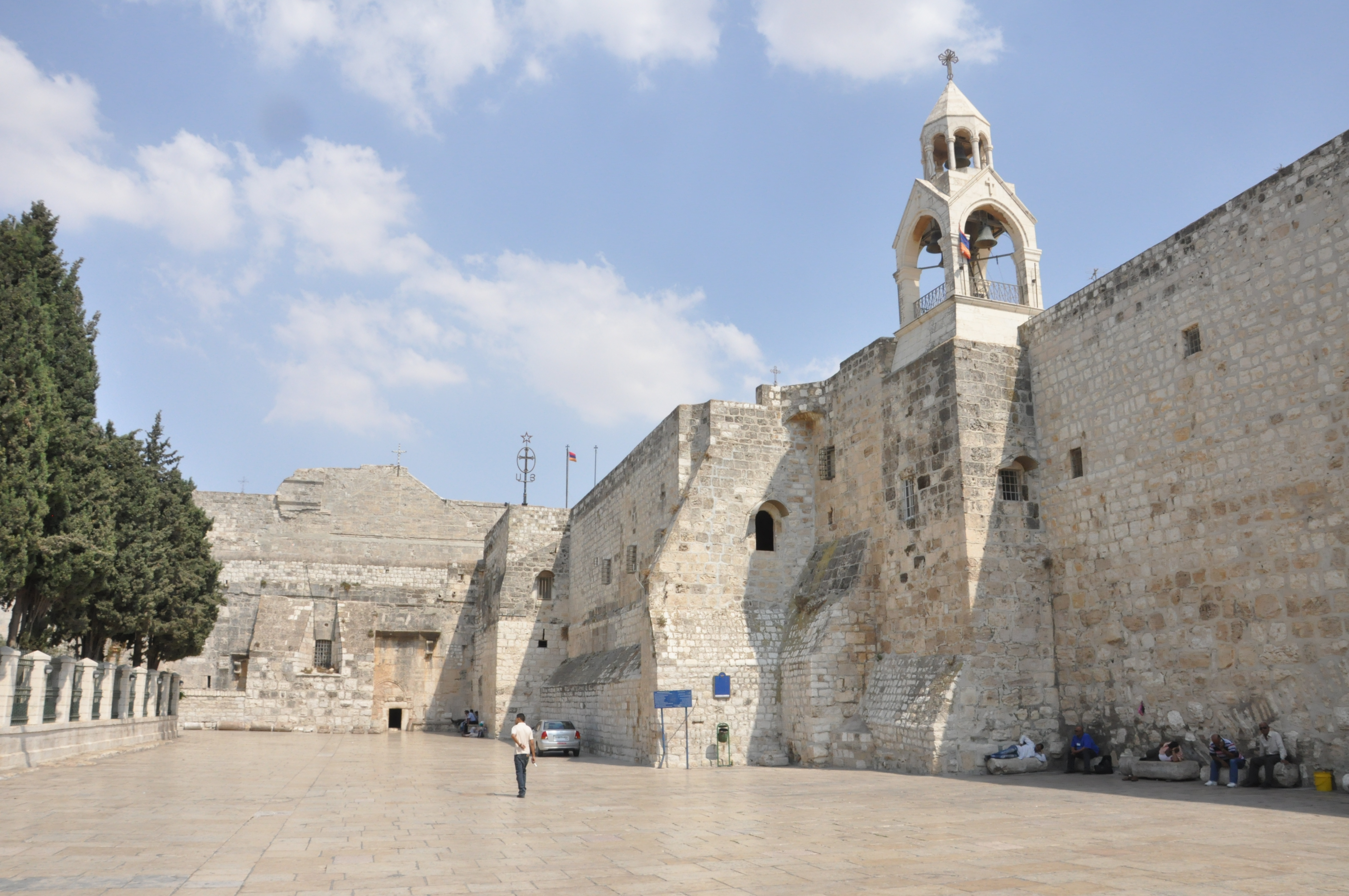
The Church of the Nativity, also known as the Basilica of the Nativity, stands in Bethlehem, a town in the West Bank, Palestine. For Christians worldwide, this ancient basilica marks the traditional birthplace of Jesus Christ. The site's grotto is the oldest continuously used place of worship in Christianity, and the church itself is the oldest major church in the Holy Land, drawing pilgrims and tourists alike.
The original church was commissioned by Constantine the Great, following a visit to Jerusalem by his mother, Helena, in the early fourth century. Over the centuries, it has survived fires, invasions, and renovations, most notably under the Byzantine Emperor Justinian I in the sixth century. The current structure largely dates from that era, making it a remarkable architectural relic. Despite its age, the church remains an active place of worship, administered jointly by Greek Orthodox, Armenian Apostolic, and Roman Catholic authorities. In 2012, UNESCO designated it a World Heritage Site, recognizing its universal cultural and religious value.
Reception to the church is less about box office and more about spiritual and historical significance. It attracts hundreds of thousands of visitors each year, especially during Christmas, when the town fills with pilgrims. The church's modest exterior, a low entrance known as the Door of Humility, belies the vast, ornate interior, which has inspired awe for centuries. As a living monument, it continues to serve as a focal point for Christian devotion and a testament to the enduring legacy of faith in the region.
Mission
The Church of the Nativity serves as a living place of worship and a major pilgrimage destination, honoring the birth of Jesus Christ. Its mission is to preserve this sacred site for future generations, foster Christian devotion, and welcome pilgrims from around the world. The three governing denominations, Greek Orthodox, Armenian Apostolic, and Roman Catholic, work to maintain the church's spiritual and historical integrity, promoting unity and hope among Christians in the Holy Land.
History
The story of the Church of the Nativity begins in the early fourth century. In 326 AD, the Roman Emperor Constantine the Great, at the urging of his mother Helena, ordered a church built over a grotto that early Christians had long venerated as the birthplace of Jesus. That first structure, completed around 339, was a grand basilica with a wooden roof and marble floors. It stood for nearly two centuries before fire and Samaritan revolts damaged it.
In the 6th century, the Byzantine Emperor Justinian I undertook a massive reconstruction, producing the core of the building that survives today. His builders raised the walls, added a new apse, and covered the interior with mosaics. The church has weathered countless invasions since, Persians in 614, Muslims in later centuries, and Crusaders who crowned kings within its walls. Each era left its mark, from the Crusader-era bell tower to the Ottoman-era repairs. The famous low entrance, the Door of Humility, was narrowed in the 16th century to prevent horsemen from riding in, and it still forces visitors to stoop.
Modern history brought new challenges. In 2002, the church became the backdrop for a 39-day standoff between Palestinian militants and Israeli forces, a siege that drew global attention and ended with an agreement brokered by diplomats. The building survived, but the incident highlighted the fragility of the site. In 2012, UNESCO added the church to its World Heritage List, a move that recognized both its cultural significance and the need for preservation. That recognition paved the way for the most ambitious restoration project in centuries, which began in 2026.
Subdivisions
Grotto of the Nativity
The traditional cave where Jesus was born, a focal point for pilgrims.
Grotto of the Manger
The site where the manger is said to have stood, adjacent to the Grotto of the Nativity.
Main Basilica
The large 6th-century church building with ornate mosaics and columns.
Church of St. Catherine
A adjacent Roman Catholic church, part of the larger complex.
Franciscan Cloister
A courtyard area associated with the Franciscan presence.
Notable People
Constantine the Great
Founder · 306-337
Commissioned the original church in 326 AD.
Helena Augusta
Co-founder · c. 246-330
Visited the site and initiated the building project.
Justinian I
Rebuilder · 527-565
Oversaw major reconstruction in the 6th century.
original organ of the Church of the Nativity
Milestones
326
Constantine the Great commissions the original church.
339
Original basilica consecrated.
6th century
Justinian I rebuilds the church, creating the current structure.
2012
UNESCO designates the church a World Heritage Site.
2026
Historic restoration of the Grotto of the Nativity begins, the first major restoration in 600 years.
Departments
Sources
Organization Info
- Founded
- 327
- Headquarters
- Bethlehem, West Bank, Palestine
- Country
- Palestine
- Type
- Religious
- Founder
- Constantine the Great, Helena Augusta
- Denominations
- Greek Orthodox, Armenian Apostolic, Roman Catholic
- UNESCO World Heritage
- 2012
Official Website
www.custodia.org/it/santuari/betlemme
Join the community
fans discussing