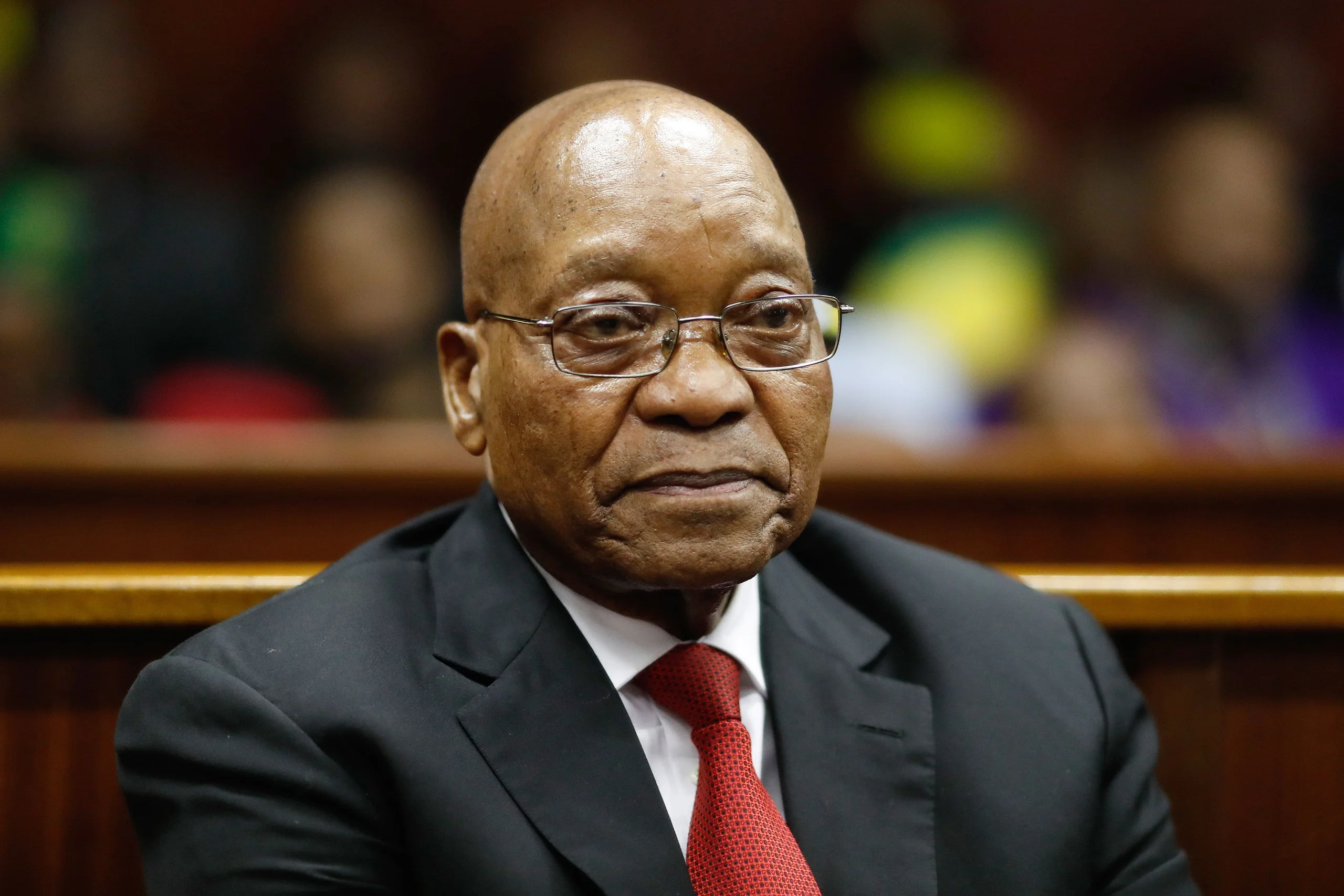
Chris Heunis
 South Africa
Also known as: Jan Christiaan Heunis, J.C. Heunis
Birthday
April 20, 1927
Birth Sign
Sagittarius
Birthplace
Uniondale, Cape Province, South Africa
Age
Died at 78
About
Jan Christiaan "Chris" Heunis was a prominent South African Afrikaner lawyer and politician who served as a cabinet minister under John Vorster and P. W. Botha. Born in Uniondale in 1927, he rose through the National Party ranks to become a key architect of the Tricameral Parliament, which extended limited voting rights to Coloured and Indian South Africans. He briefly served as acting State President in 1989 and later returned to law practice, passing away in 2006. His career is defined by his role in constitutional reform during the late apartheid era, navigating complex political landscapes to implement significant legislative changes that reshaped South Africa's governance structure.
Early Life & Background
Jan Christiaan Heunis entered the world on April 20, 1927, in Uniondale, a small town nestled in the rural Cape Province. His early years were shaped by the conservative values of the region, where he attended school in nearby George before setting his sights on higher education. He enrolled at the University of Stellenbosch to study law, a choice that would define his professional trajectory. By 1951, he had qualified as an attorney, marking the start of a career rooted in legal expertise and local governance. Before stepping onto the national stage, Heunis built a reputation within his community. He headed the National Party in the George District and served on the municipal council, gaining experience in the mechanics of local politics. This grassroots foundation proved essential as he navigated the complex landscape of South African politics. His early involvement in local governance set the stage for a decades-long ascent through the ranks of the National Party, eventually leading him to the highest levels of government power. He practiced law in the Western Cape region, establishing himself as a respected legal mind before his political ambitions took center stage.
Career Growth
Heunis's political ascent began in earnest in 1959 when he was elected to the Provincial Council. Two years later, he entered the House of Assembly, quickly establishing himself as a formidable figure within the party. In 1974, Prime Minister John Vorster appointed him Minister of Indian Affairs and Tourism, a role he held until 1975 when he shifted to Minister of Economic Affairs. His influence grew significantly under P. W. Botha, who became prime minister in 1978. Heunis served in various ministerial roles, including Minister of Constitutional Development and Planning.
The defining moment of his legislative career came in 1982 when he was appointed Minister of Constitutional Reform. Heunis played a pivotal role in drafting the new constitution that established the Tricameral Parliament, a controversial system granting limited voting rights to Coloured and Indian South Africans in separate chambers. He successfully persuaded Allan Hendrickse, leader of the Labour Party, to support this reform. In September 1986, he was unanimously elected leader of the National Party in the Cape Province, succeeding Botha in that regional leadership.
History changed course in early 1989 when Botha suffered a stroke. Heunis was sworn in as Acting State President, holding the office for approximately 100 days until Botha recovered. During this time, he was described by UPI as "Botha's most senior Cabinet lieutenant and leading contender as permanent successor." When Botha resigned as party leader later that year, Heunis ran for the position but lost to Frederik de Klerk in the second round. He narrowly retained his parliamentary seat in the 1987 election, winning by just 39 votes against former diplomat Denis Worrall. After retiring from active politics and skipping the 1989 general elections, Heunis returned to private practice as a lawyer in Somerset West, working alongside his son Jakkie. He also engaged in confidential talks in Port Elizabeth between National Party representatives and ANC figures, part of early, behind-the-scenes efforts to explore dialogue with the anti-apartheid movement. His tenure was marked by the Grand Cordon of the Order of the Republic of China awarded for his contributions to constitutional reform, alongside an honorary doctorate from the University of Stellenbosch and the title of Honorary Citizen of George.
Career Timeline
Public Image & Style
Heunis is portrayed in historical media as a pragmatic reformer within the National Party. While associated with the apartheid regime, his reputation is nuanced; he is viewed by some historians as a "reformist" who sought to modernize the system from within, even if those reforms ultimately failed to prevent the regime's collapse. His tone in public life was serious, legalistic, and statesmanlike. He was known for his ability to navigate complex political landscapes and build consensus among diverse groups, particularly in his dealings with the Labour Party during the Tricameral negotiations. His signature style reflected the formal suits and conservative appearance typical of Afrikaner politicians of his era. Tributes from the political establishment described him as a "tireless champ for reform," acknowledging his pivotal role in shaping the country's transition period despite the controversies surrounding the policies he helped design.
Fame & Fandom
Chris Heunis has no formal fandom name and no organized fanbase. His following is confined to historians, political scientists, and those interested in the constitutional reform era of the late apartheid period. No fan conventions, campaigns, or dedicated fan communities are documented. His public appearances were routine political functions, and his legacy is preserved by archival institutions rather than fan culture. In terms of global fame, iFANN's Global Fame Engine has evaluated Chris Heunis, but he does not currently hold a placement in the published rankings. As of September 2026, the engine places him in the status of EVALUATED_UNRANKED, meaning no numeric rank or score is assigned. This absence of ranking reflects his limited contemporary visibility, despite his historical significance in South African politics. His Wikipedia page continues to receive views, indicating sustained interest from students and researchers studying the end of apartheid, though he remains a figure of academic rather than pop-cultural relevance.
Interesting Facts and Legends
In the 1987 election, Chris Heunis won his seat by a razor-thin margin of only 39 votes against Denis Worrall, highlighting the intense political polarization of the time even within his own party base. Beyond his public legislative work, Heunis engaged in confidential talks in Port Elizabeth between National Party representatives and ANC figures, part of early, behind-the-scenes efforts to explore dialogue with the anti-apartheid movement. His brief tenure as Acting State President is often cited as a unique moment where the "heir apparent" role was filled by a loyalist rather than a rival, before the eventual succession by F.W. de Klerk. He received an honorary doctorate from the University of Stellenbosch and was named an honorary citizen of the town of George. He was also decorated with the Grand Cordon of the Order of the Republic of China for his contributions to constitutional reform. Additionally, he was conferred the title of Honorary Lieutenant-Colonel by the South African Police and received the Distinguished Service Medal (DMS), signifying state recognition for his service. His iconic moment occurred on January 19, 1989, when he was sworn in as Acting State President, an event widely reported internationally as a critical juncture in South African politics.
Notable Quotes
“A tireless champ for reform" – Described by IOL in his obituary (2006).”
“Botha's most senior Cabinet lieutenant and leading contender as permanent successor" – UPI, 1989.”
Family & Personal Life
The family resided in Somerset West, maintaining a relatively private life typical of politicians of his generation. Chris Heunis's son, Jakkie Heunis, followed in his father's footsteps professionally, joining him in the family law practice in Somerset West after Chris retired from politics. The couple raised five children: four sons and one daughter. The family unit remained intact throughout their lives, with no public records detailing other romantic relationships outside of his marriage. His legacy in the legal field continues through his son's work in the same firm. The household was known for its discretion, shielding personal matters from the intense scrutiny often faced by high-ranking government officials in South Africa.
Notable Connections
Relationships & Dating History
Historical records confirm that Chris Heunis was married once. His wife's name remains undocumented in public biographical sources, indicating a private personal life typical of politicians of his generation. They remained together until his death in 2006. The couple had five children: four sons and one daughter. His son, Jakkie Heunis, later joined him in his legal practice. There are no public records of other romantic relationships or high-profile flings. As of 2026, Chris Heunis is deceased, having passed away on January 27, 2006, leaving his widow widowed. Historical records and obituaries confirm he was married once, with dates unknown but likely spanning from the 1950s until his death. No public statements or details regarding how they met or the nature of their relationship are available in standard biographical sources, underscoring the privacy he maintained regarding his domestic life.
- MarriedUnknown (Spouse)1950s - 2006Remained married until his death; had five children together.
Death & Aftermath
Died
January 27, 2006 (aged 78)
Death Place
Somerset West, Western Cape, South Africa
Cause of Death
Organ failure
Chris Heunis spent his final days receiving medical treatment for organ failure at a hospital in Somerset West, Western Cape, before passing away on Friday, 27 January 2006. The seventy-eight-year-old former Minister of Constitutional Development and Acting State President succumbed to the condition following a period of illness that was confirmed by hospital statements rather than a formal forensic investigation. Tributes poured in from the political establishment shortly after the news broke, with former State President P.W. Botha describing Heunis as a loyal friend and true South African during a memorial service held in early February 2006. Heunis remained a central figure within the National Party history, recognized for his role in shaping the Tricameral Parliament during the late apartheid era, which ensured significant coverage in major outlets like the Mail & Guardian and the IOL.
The funeral arrangements proceeded without public controversy or legal complications, reflecting the natural circumstances of his death. While specific details regarding the exact burial location remain unrecorded in available sources, the event likely included government officials and party members given his stature. Posthumously, his legacy is preserved through historical archives maintained by institutions such as the FW de Klerk Foundation and the Commonwealth Oral History Project, which document his contributions to South Africa's transition period. Obituaries characterized him as a tireless champion for reform, acknowledging his pivotal role in the apartheid-era constitutional changes. His death marked the end of an era for many in the National Party, as he was one of the last remaining links to the Vorster and early Botha administrations.
Net Worth (Estate Value)
$5 Million
iFANN Editorial Team estimate
iFANN currently estimates Chris Heunis's estate value at approximately $5 million. Specific financial data regarding his personal net worth is not publicly documented in modern celebrity wealth databases, as he was a politician and lawyer in a pre-digital economy era where such figures were rarely disclosed. Unlike contemporary celebrities, his estate value is not tracked by outlets like Celebrity Net Worth. His income derived from his long tenure as a Member of Parliament, Cabinet Minister, and later as a practicing attorney in Somerset West. Real estate holdings and business ventures beyond his law firm are not recorded in public archives. Following his death in 2006, his estate was managed by his heirs, his five children. Posthumous earnings are negligible, consisting primarily of royalties from books or archival materials if any were published, though no major posthumous commercial releases are noted. There are no credible sources providing a specific dollar figure for his net worth as of 2026, reflecting the lack of transparency common to politicians of his time.
Awards Won (5)
Chris Heunis received several significant national honours within South Africa and abroad. He was awarded the Grand Cordon of the Order of the Republic of China for his contributions to constitutional reform. He received an honorary doctorate from the University of Stellenbosch and was made an honorary lieutenant-colonel of the South African Police. Additionally, he was named an honorary citizen of the town of George and decorated with the Distinguished Service Medal (DMS).
Unknown · International Honour
Constitutional Reform
Unknown · Academic Honour
University of Stellenbosch
Known For
Tricameral Parliament
1984 · Architect
Acting State President
1989 · Office Holder
Keywords
Sources
Quick Facts
- Profession
- politician, lawyer, minister
- Born
- April 20, 1927
- Birthplace
- Uniondale, Cape Province
- Died
- January 27, 2006
- Death Place
- Somerset West
- Gender
- Male
- Birth Sign
- Sagittarius
Personal Details
- Full Name
- Jan Christiaan Heunis
- Children
- Four sons and one daughter
- Education
- University of Stellenbosch (Law)
Frequently Asked Questions
Who was Chris Heunis?
When did Chris Heunis die?
What was Chris Heunis's role in the Tricameral Parliament?
Was Chris Heunis ever the State President?
Did Chris Heunis have children?
Similar People
Join the community
fans discussing