 Israel
About
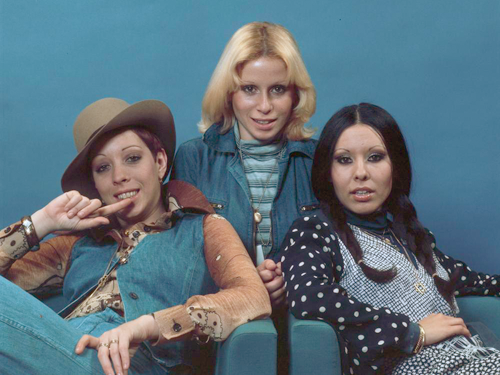
Shokolad, Menta, Mastik is remembered as one of Israel's most beloved vocal trios of the 1970s. Though the group disbanded in 1978, its music still circulates on streaming platforms and its Eurovision entry remains a nostalgic touchstone. Today, the group is inactive, but Yardena Arazi continues to perform and record as a solo artist, while the other members have largely retired from the public eye.
Their legacy rests on a short but impactful career: a string of popular songs, a strong showing at Eurovision 1976, and the later success of its members. Fans of Israeli pop history still celebrate their harmonies and the peace-themed message of "Emor Shalom."
Formation Story
The trio came together in 1972, born out of the close-knit world of Lehakat HaNahal, the Israeli army's entertainment corps. Yardena Arazi, Ruthie Holzman, and Tami Azaria had all served in the troupe, where they honed their vocal blend and performance skills. After their military service, they decided to stick together and form a civilian act, taking their name from a popular local chewing gum brand for a catchy, memorable moniker.
Their early years were busy: they toured military bases, appeared on radio and television, and built a following with upbeat, harmony-driven pop. In 1973, Tami Azaria left the group, and Leah Lupatin stepped in. With Lupatin, the trio's sound matured, and they began to attract attention beyond Israel's borders.
The big break came in 1976 when the Israeli public broadcaster selected them to represent the country at Eurovision. They performed "Emor Shalom," a song written by Ehud Manor and composed by Matti Caspi, and finished fourth. The exposure led to international performances and a self-titled album, but by 1978 the members were ready to move on. They gave their final performances and disbanded, each pursuing her own path.
Members
Musical Style
Shokolad, Menta, Mastik's sound was rooted in the Israeli folk-pop tradition of the early 1970s, but with a polished, radio-friendly sheen. Their music featured close three-part harmonies, bright melodies, and lyrics that often touched on peace, love, and national pride. The group's early work had a raw, energetic quality from their army days, but by the time of "Emor Shalom" they had adopted a more refined pop production, with lush orchestration and a confident, uplifting chorus.
Their songs were typically short and catchy, designed for easy listening and sing-along moments. While they didn't experiment much with genre boundaries, they excelled at what they did, delivering performances that felt both professional and heartfelt.
Discography
| Title | Year |
|---|---|
| Shokolad, Menta, Mastik | 1976 |
| Emor Shalom | 1976 |
Cultural Impact
Shokolad, Menta, Mastik helped define the "Israeli girl group" sound of the 1970s, paving the way for future acts. Their Eurovision appearance was a milestone for Israeli music, showing that the country's pop could compete on a European stage. The song "Emor Shalom" became an anthem of sorts, its message of peace resonating during a tense geopolitical era.
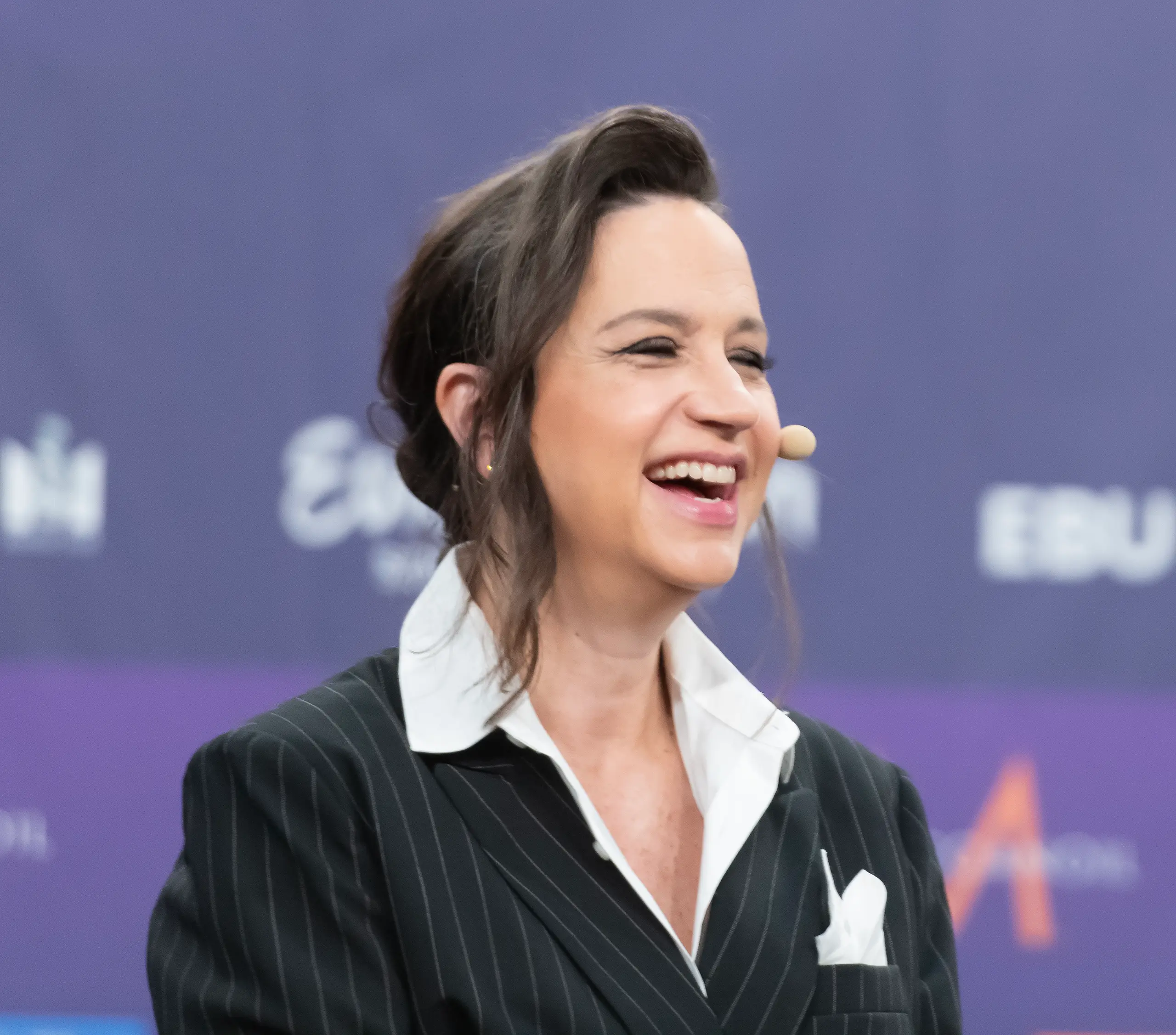
Beyond the group itself, the members' later careers amplified their influence. Yardena Arazi's solo success, including two Eurovision wins as a performer, kept the group's name in the public memory. Leah Lupatin's stint with Milk and Honey created a direct link between the trio and Eurovision history. Today, the group is frequently cited in retrospectives of Israeli pop culture, a symbol of a golden age.
Fandom Culture
As a pre-internet act, Shokolad, Menta, Mastik didn't have a formal fandom with names, colors, or lightsticks. Their fans were mostly local audiences who attended concerts and bought vinyl records. After the group disbanded, nostalgia grew, and today fans connect through Eurovision forums and social media groups dedicated to Israeli music history. Archival YouTube channels and Spotify playlists keep their songs alive, and the group's name still sparks recognition among older Israelis.
Awards & Accolades
Milestones
Group formed by Yardena Arazi, Ruthie Holzman, and Tami Azaria.
Tami Azaria leaves; Leah Lupatin joins.
Represent Israel at Eurovision with "Emor Shalom," finishing fourth.
Release self-titled album on Hed Arzi Music.
Group disbands.
Trivia
Their name comes from a chewing gum brand popular in Israel at the time, chosen for its catchy ring.
All three original members were veterans of Lehakat HaNahal, the IDF entertainment troupe.
Leah Lupatin later performed with Milk and Honey, the 1979 Eurovision winners, replacing Gali Atari in live shows.
"Emor Shalom" was written by Ehud Manor, one of Israel's most prolific lyricists, and composed by Matti Caspi.
Keywords
Sources
Quick Facts
- Formed
- 1972
- Origin
- Israel
- Label
- Hed Arzi Music
- Genres
- Israeli pop, folk
- Members
- 4 (over time)
- Status
- Disbanded
Group Info
- Formed
- 1972-01-01
- Debut
- 1972
- Origin
- Israel
- Company
- Hed Arzi Music
- Label
- Hed Arzi Music
- Status
- Disbanded (1978-01-01)
Also Known As
Join the community
fans discussing