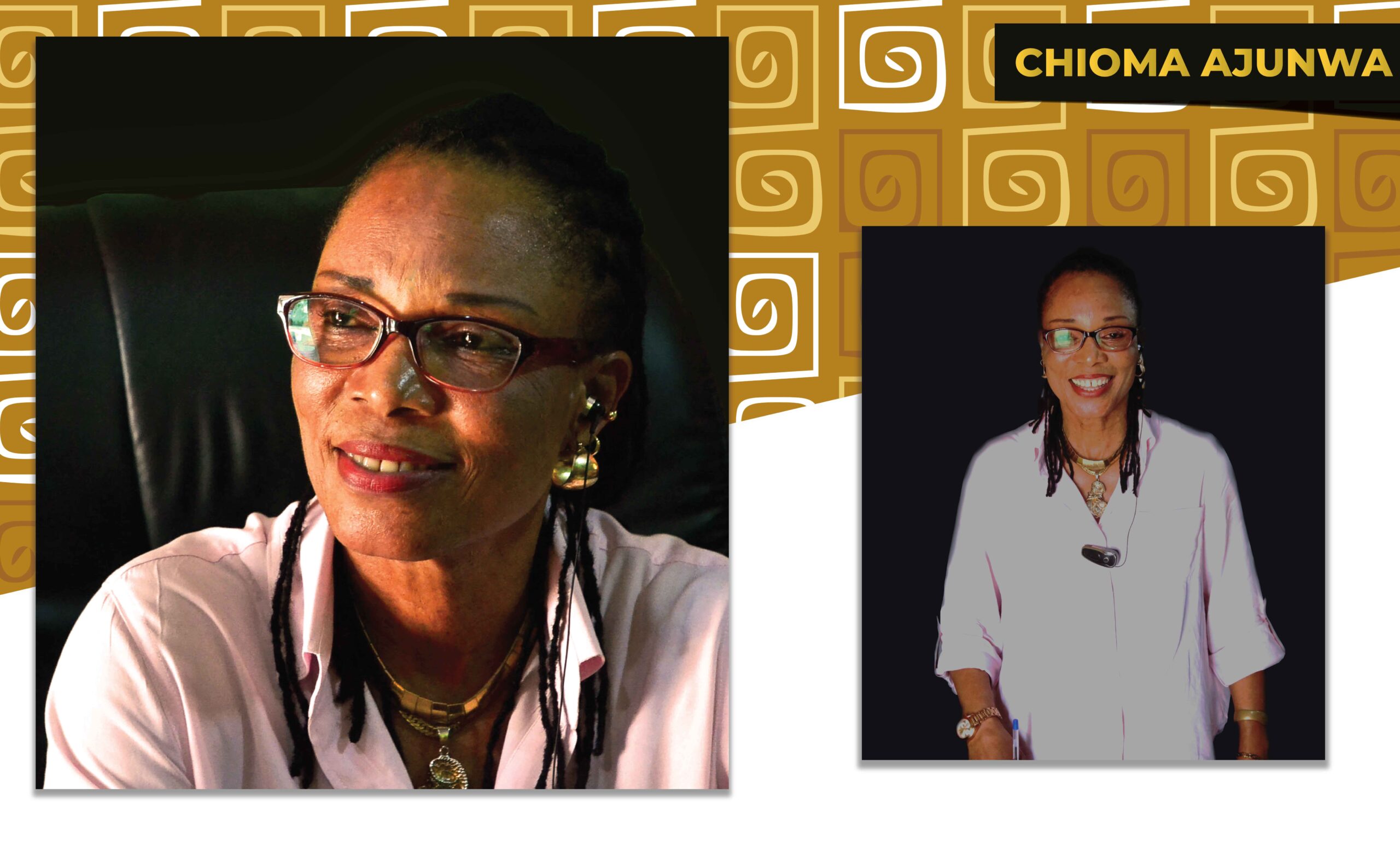
Chioma Ajunwa
 Nigeria
association football player•athletics competitor•military personnel
Also known as: Chioma Ajunwa-Opara, Chioma Opara
Birthday
December 25, 1970
Birth Sign
Sagittarius
Birthplace
Abia State, Nigeria
Age
55 years old
Height
5 ft 9 in (1.75 m)
About
Chioma Ajunwa-Opara stands as a singular figure in global sports history, distinguished by her unique dual career as a professional footballer and an Olympic track and field champion. Born on December 25, 1970, in Abia State, Nigeria, she made history as the first Nigerian to win an individual Olympic gold medal. Her legacy is defined by her historic long jump victory at the 1996 Summer Games in Atlanta, where she became the first Black African woman to win an individual Olympic gold in a field event with a leap of 7.12 meters. A serving member of the Nigerian Police Force during her athletic prime, she remains the only woman in history to have competed at both the FIFA Women's World Cup as a footballer and the Summer Olympics as a track and field athlete.
Her influence extends far beyond the podium into advocacy and community development. As of 2026, she continues to serve as a vocal critic of sports administration corruption and advocates for anti-drug campaigns, often highlighting the nation's 30-year drought in individual Olympic gold medals since her victory. She holds the distinction of being universally ranked #1 among Nigerian individual Olympic gold medalists. Her public persona has evolved from a celebrated champion to a principled guardian of sporting integrity, frequently speaking out against leadership failures in Nigerian sports bodies.
Early Life & Background
Born into a family in Abia State, Chioma Ajunwa was raised with a strong sense of discipline that would later translate into her military career. Before her global athletic fame, she pursued a dual sporting path that showcased her versatility. In the early 1990s, she represented Nigeria as a forward in association football, notably playing for the Super Falcons at the inaugural 1991 FIFA Women's World Cup in China. This period established her reputation as a versatile athlete capable of performing at the highest levels of multiple sports. However, facing limited opportunities and perhaps seeking greater personal achievement in athletics, she transitioned her focus to sprinting and long jump in the mid-1990s.
She joined the Nigerian Police Force during this era, balancing her duties as a policewoman with elite-level training. Her pivot from football to track was not merely a career change but a strategic move that led to one of the most significant upsets in Olympic history. The years leading up to the 1996 Atlanta Games were fraught with controversy. In 1994, Ajunwa faced a four-year suspension after testing positive for nandrolone. She has consistently maintained that the positive result stemmed from a traditional herbal remedy provided by a friend rather than intentional doping. This ban initially barred her from competing in Atlanta, creating a period of uncertainty. However, her successful appeal allowed her to return to competition just in time for the Olympics, setting the scene for her legendary comeback.
Career Growth
Ajunwa's breakthrough moment arrived on August 2, 1996, at the Summer Olympics in Atlanta. After overcoming her suspension, she stunned the world in the women's long jump final by leaping 7.12 meters. This performance secured the gold medal, broke the African record, and cemented her place as the first Nigerian and first Black African woman to win an individual Olympic gold. The victory was particularly poignant given the controversy surrounding her recent ban. Following her Olympic triumph, she continued to compete at a high level. In 1997, she won a silver medal at the World Indoor Championships in Paris in the long jump. The following year, she finished fourth in the long jump at the Commonwealth Games in Kuala Lumpur.
In the decades since her retirement from active competition, Ajunwa has shifted her focus to mentorship and reform. In December 2017, she launched the Chioma Ajunwa-Okpara Foundation to nurture young sports talent in Nigeria. By March 2018, the foundation collaborated with the Abia State government to sponsor an Under-16 Athletics Championship. Recently, she has become a vocal advocate for integrity in Nigerian sports, frequently criticizing the lack of leadership and the prolonged drought in individual Olympic golds. In June 2026, her foundation staged a novelty football match to mark World Drug Day in collaboration with the NDLEA. She also secured backing from the German Consular office for broader anti-drug awareness programs.
Career Timeline
Public Image & Style
Chioma Ajunwa is widely portrayed as a resilient and patriotic figure who overcame significant adversity to achieve greatness. The media often refers to her as a 'policewoman warrior,' highlighting her ability to balance law enforcement duties with elite athletic performance. Her public persona has evolved from a celebrated champion to a principled critic of sports administration. In recent years, she has adopted a tone that is critical and advocacy-focused. She is seen as a guardian of sporting integrity, frequently speaking out against corruption and calling for leadership reforms in Nigerian sports bodies. Her image is that of a dedicated citizen who uses her platform to push for better conditions for future athletes.
Fame & Fandom
Chioma Ajunwa's fanbase consists of Nigerians and pan-African sports enthusiasts who revere her as a historic pioneer. There is no formally documented fandom name; supporters simply identify as admirers of her legacy. Engagement peaks during significant anniversaries, such as the 30th anniversary of her Atlanta triumph in 2026, which sparked retrospective features in major Nigerian publications like Punch and ThisDay. Her legendary status rests on the defining moment of August 2, 1996, when she won Olympic gold in the long jump with an African-record leap of 7.12 meters. The story is amplified by her controversial four-year doping ban, which she maintains was unjust, and her triumphant return from that ban to stun the world.
The ongoing narrative that no Nigerian has since matched her individual Olympic gold has turned her into a symbol of both national achievement and unfulfilled potential. As of August 2026, iFANN's Global Fame Engine has evaluated Chioma Ajunwa, but she does not currently hold a placement in the published rankings, whether the Global Top 1,000 or any Top-100 scope list. Her fame remains significant in Nigeria and among athletics followers, yet it has not translated into a formal ranking placement. Fan campaigns often involve social media hashtags honoring her legacy and calls for better treatment of current athletes.
Interesting Facts and Legends
Chioma Ajunwa holds a unique distinction in sports history as the only woman to have represented Nigeria at both the FIFA Women's World Cup and the Summer Olympics. Her 1996 Olympic victory is often attributed by fans to divine intervention; she has famously stated that the 'real reason' she won was spiritual, a sentiment deeply embraced by her supporters. The narrative of her career includes a controversial chapter regarding a four-year suspension for doping. Ajunwa insists the positive test resulted from a traditional herbal remedy, adding a layer of resilience to her legend as she overcame what she viewed as an injustice to win gold. This story is retold annually in Nigeria as a testament to perseverance.
Another lesser-known fact is her status as a serving policewoman during her peak athletic years. Balancing police duties with elite training required immense dedication. Today, she remains a critical voice in Nigerian sports, often pointing out systemic failures that have prevented other athletes from matching her feat in the three decades since her victory. She has been featured in editorial features in *Punch* (August 2026) and *ThisDay Live* (July 2026), though she has not appeared on major international covers like *Vogue*. Her height is approximately 1.75 meters (5'9'), with an athletic, lean build typical of a long jumper.
Notable Quotes
“The real reason I won Olympic gold was spiritual.”
“I am still waiting for someone to match my feat after 30 years.”
“The system is fractured; we need leaders who understand the sport, not just politics.”
Family & Personal Life
Chioma Ajunwa is married to Dr. Okpara Opara, a medical doctor whom she met during her active years in the Nigerian Police Force. The couple has maintained a relatively low-profile personal life compared to her public athletic achievements. They reside in Nigeria, where they continue their respective careers and family life. Public records do not detail any children or prior romantic relationships before her marriage. The family values discipline and education, reflecting the upbringing that shaped Ajunwa's character. She often speaks about the importance of family support in her journey through the controversies and triumphs of her athletic career. Her husband has remained a steady presence throughout her post-athletic career, supporting her work with the foundation and police duties.
Notable Connections
Relationships & Dating History
Chioma Ajunwa is married to Dr. Okpara Opara, a medical doctor. The couple met during her active years in the Nigerian Police Force, and their relationship has remained stable throughout her post-athletic career. Public sources indicate that they have kept their private life relatively low-profile compared to her public achievements. There are no widely documented details regarding children or other romantic relationships prior to her marriage in public records. As of 2026, she is married to Dr. Okpara Opara. The couple resides in Nigeria, where she continues her work with the foundation and police duties. No divorces, separations, or new high-profile romances have been reported since her marriage.
- MarriedDr. Okpara OparaCurrentMet during her time in the Nigerian Police Force.
Salary, Net Worth In 2026
$180,000
iFANN Editorial Team estimate
Estimates for Chioma Ajunwa's net worth vary due to her background as a civil servant and the non-commercial nature of her recent advocacy work. Research by the iFANN Editorial Team puts her fortune at around $180,000 as of 2026. This figure reflects her salary as a senior police officer, modest endorsement deals from local brands, and proceeds from her foundation activities. Source estimates generally range between $100,000 and $500,000 depending on how much weight is placed on real estate holdings in Abia State and Lagos. Her primary income stream comes from her steady salary within the Nigerian Police Force.
The Chioma Ajunwa-Okpara Foundation operates on grants and donations rather than generating personal revenue for her. Occasional appearances for local sports brands and anti-drug campaigns provide additional, albeit modest, income. Any figures exceeding $1 million are likely speculative or conflate the value of her brand with actual personal assets. Conservative estimates suggest her liquid assets are closer to $150,000, while some local reports suggest higher valuations factoring in property ownership.
Awards Won (4)
Chioma Ajunwa's award list is concentrated around her historic Olympic performance and subsequent recognition in Nigeria. She won the Olympic Gold Medal in the Women's Long Jump at the 1996 Summer Olympics in Atlanta, marking the first Nigerian individual Olympic gold. She also secured a silver medal at the 1997 World Indoor Championships in Paris. Additionally, she has received the Nigeria National Sports Merit Award multiple times and was inducted into the Nigerian Sports Hall of Fame for her pioneering status.
1996 · Women's Long Jump
1996 Summer Olympics
1997 · Long Jump
Paris World Indoor Championships
Known For
Olympic Gold Medal (Long Jump)
1996 · Athlete
FIFA Women's World Cup
1991 · Footballer
Keywords
Sources
Quick Facts
- Profession
- association football player, athletics competitor, military personnel
- Born
- December 25, 1970
- Birthplace
- Abia State, Nigeria
- Gender
- Female
- Birth Sign
- Sagittarius
Personal Details
- Full Name
- Chioma Ajunwa-Opara
- Height
- 5 ft 9 in (1.75 m)
- Spouse
- Dr. Okpara Opara
- Children
- Education
- Nigerian Police Force Training School
Frequently Asked Questions
Who is Chioma Ajunwa?
Why was Chioma Ajunwa banned?
Did Chioma Ajunwa play football?
Is Chioma Ajunwa still alive?
How much is Chioma Ajunwa's net worth?
Social Media
Similar People
Join the community
fans discussing