About
The ensemble Chervona Ruta was created in 1971 by Anatoliy Evdokimenko with the Chernivtsi Philharmonic specifically to accompany Sofia Rotaru. The founding members were drawn from the pop orchestra of Chernivtsi University, providing the group with a solid classical and folk foundation. For decades, the group operated under the shadow of Rotaru's solo superstardom, yet they maintained a distinct identity through their instrumental prowess and arrangement skills.
After Sofia Rotaru, other widely popular artists such as Arkadiy Khoralov and Meritorious Artist of Moldova Anastasia Lazariuc started their careers with Chervona Ruta. In 1981, the band was awarded the Grand-Prix for the high artistic level of performance at the singers' competition in Yalta. The soloist of the band, Sofia Rotaru, became the laureate of the IXth World Festival of Youth and Students in 1971. In the same year, the band appeared alongside her in the movie called Chervona Ruta, and in 1975, they appeared in Pesnya vsegda s nami.
The band has wide fan communities both in the former USSR and abroad internationally. Successful tours took place with participation of Sofia Rotaru in Bulgaria, Czechoslovakia, Hungary, Poland, GDR, Finland, and West Berlin. Polish theatre critic observer Andrzej Wołczkowski wrote that Rotaru was the windfall for the pop music scene of any country, noting her powerful voice and sincerity.
Formation Story
The origins of Chervona Ruta trace back to 1971 in Chernivtsi, Ukraine, when conductor and arranger Anatoliy Evdokimenko established the ensemble with the support of the Chernivtsi Philharmonic. The project was designed specifically to accompany the rising star Sofia Rotaru, who had recently gained prominence after winning the IXth World Festival of Youth and Students in Moscow earlier that year. Evdokimenko recruited musicians from the pop orchestra of Chernivtsi University, ensuring the group possessed a rigorous technical foundation rooted in both classical training and local folk traditions.
The group's debut coincided with the massive success of the title track Chervona Ruta, written by Volodymyr Ivasiuk in 1968 but popularized globally through Rotaru's 1972 recording. This song became the anthem of the ensemble, blending Carpathian folk melodies with contemporary pop production techniques that were rare in the Soviet Union at the time. The collaboration resulted in immediate popularity, leading to extensive touring across the Eastern Bloc and appearances in major Soviet films like Chervona Ruta (1971) and Pesnya vsegda s nami (1975).
Throughout the 1970s and 1980s, the ensemble evolved from a simple backing band into a sophisticated musical unit capable of handling complex arrangements. They incorporated synthesizers and drum machines during the mid-70s disco boom while retaining traditional folk instrumentation. Despite the overwhelming fame of Rotaru, the musicians themselves remained a cohesive unit, often performing together on tours throughout Poland, Hungary, and East Germany. The group officially ceased regular operations around 1990 following the dissolution of the Soviet Union and the subsequent changes in the cultural landscape.
Members

Sofia Rotaru
Sofiya Mykhailivna Rotaru
Frontwoman
Anatoliy Evdokimenko
Anatoliy Evdokimenko
Founder
Arkadiy Khoralov
Arkadiy Khoralov
Member
Anastasia Lazariuc
Anastasia Lazariuc
Member
Musical Style
Chervona Ruta's style evolved from traditional Ukrainian folk roots into a sophisticated blend of pop, disco, and folk-pop that defined the Soviet pop aesthetic of the 1970s and 80s. Early works in the 1971–1975 period featured strong folk influences, utilizing traditional instruments mixed with orchestral arrangements to create a sound deeply rooted in Carpathian melodies. The hit single Chervona Ruta exemplified this fusion, taking a folk tale about a mythical red rue flower and setting it to a modern rhythm.
As Western trends influenced the Eastern Bloc, the middle era (1976–1983) saw the group incorporating synthesizers, drum machines, and dance-oriented rhythms while maintaining folk instrumentation. This shift produced hits like Ioane and the Italian cover L'immensità. By the later era (1984–1990), the style matured into a more polished, adult-contemporary pop sound, focusing on ballads and dramatic storytelling that reflected the changing political climate of the late Soviet period.
Discography
| Title | Year |
|---|---|
| Chervona Ruta | 1972 |
| Pesnya vsegda s nami | 1975 |
| Ioane | 1970s |
| L'immensità | 1970s |
Tours
Eastern Bloc Tour
1972-1985 · Numerous shows
Cultural Impact
The song Chervona Ruta is arguably the second most famous song in Ukraine after the national anthem. It represents Ukrainian resilience and cultural pride, serving as a symbol of national identity during times of political upheaval. During the Euromaidan protests (2013–2014) and the ongoing war with Russia, the song was used as a protest anthem, symbolizing defiance against oppression. Its status as a resistance anthem was further cemented in recent years following the 2022 Russian invasion of Ukraine.
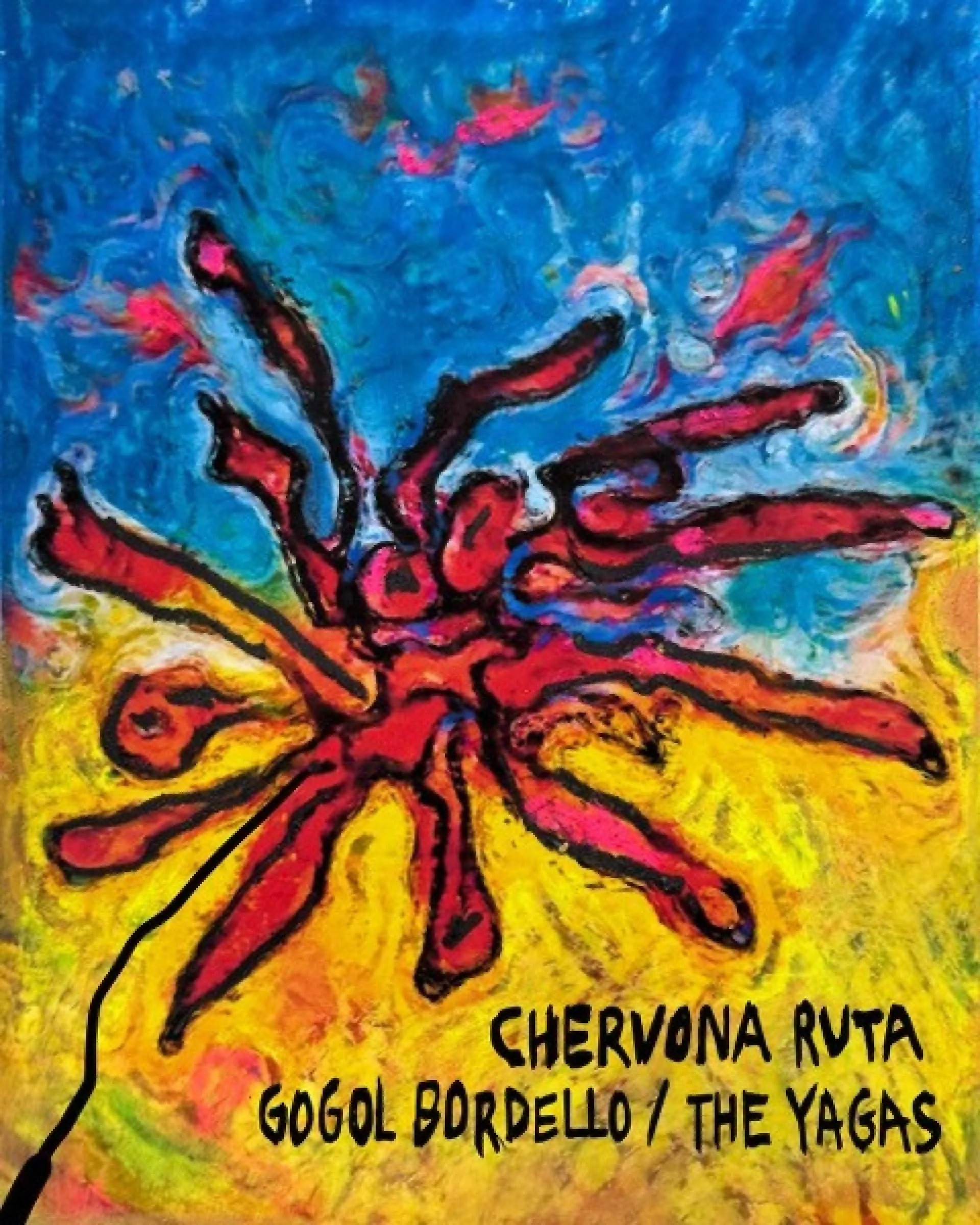
The ensemble set the standard for Ukrainian pop music by successfully blending folk traditions with modern production techniques. This approach influenced generations of musicians in the region. International crossover achievements include collaborations with acts like Gogol Bordello and The Yagas, led by actress Vera Farmiga, who released a studio version of the song in June 2025. These projects introduced the melody to global audiences, bridging Ukrainian folk with American rock and gypsy-punk styles.
Fandom Culture
During the Soviet era, there was no official fandom name; fans were generally referred to as admirers of Sofia Rotaru or enthusiasts of the Chervona Ruta ensemble. Traditions centered around communal singing, where fans would sing along to Chervona Ruta at concerts and gatherings, treating it as a shared anthem. The red rue flower remains a potent symbol of love and happiness in Ukrainian folklore, central to the song's imagery and the collective memory of the audience.
Awards Won (4)
The ensemble received significant recognition for its artistic contributions, most notably the Grand-Prix at the singers' competition in Yalta in 1981. This award acknowledged the high level of performance by the group itself, separate from the individual accolades of Sofia Rotaru. Additionally, the group was associated with Rotaru's victory at the IXth World Festival of Youth and Students in 1971, which marked the beginning of their rise to fame.
Singers' Competition
for: General Performance
Laureate
for: Performance with Sofia Rotaru
Milestones
Formation of the group and Sofia Rotaru's victory at the World Festival of Youth and Students
Release of the hit song "Chervona Ruta" and the accompanying film
Appearance in the film Pesnya vsegda s nami
Awarding of the Grand-Prix in Yalta
Global revival of the song through high-profile collaborations and film projects
Trivia
Keywords
Sources
Quick Facts
- Formed
- 1971
- Origin
- Chernivtsi
- Label
- Melodiya, Krugozor, Sony BMG Music Entertainment, Inc.
- Genres
- pop music, disco, folk-pop
- Status
- Disbanded
Group Info
- Formed
- 1971
- Debut
- 1972
- Debut Song
- Chervona Ruta
- Origin
- Chernivtsi, Ukrainian SSR
- Company
- Chernivtsi Philharmonic
- Label
- Melodiya
- Status
- Disbanded (1990)
Also Known As
Join the community
fans discussing