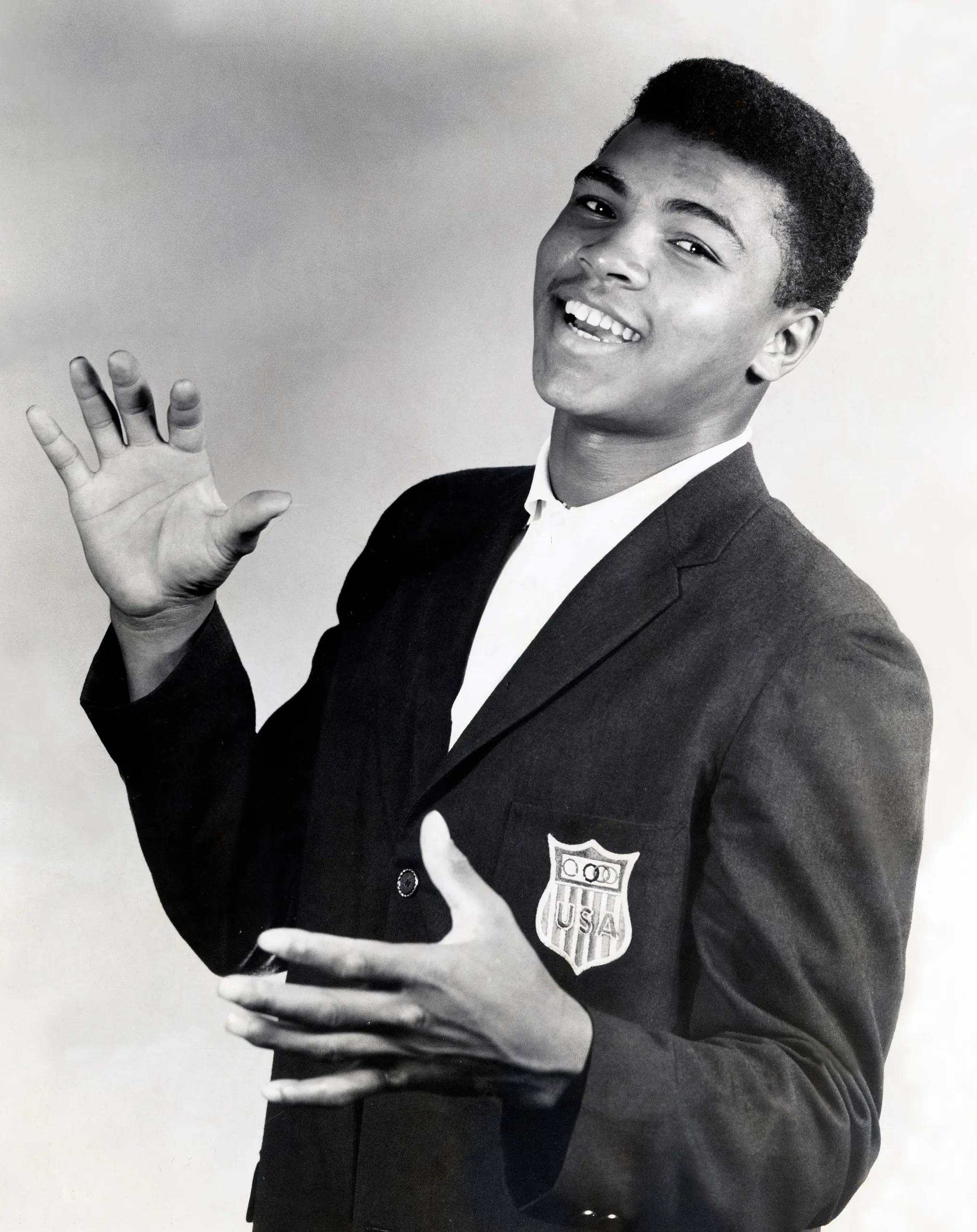
Chaudhry Muhammad Ali
 Pakistan
Also known as: Mohammed Ali
Birthday
July 15, 1905
Birth Sign
Cancer
Birthplace
Jalandhar, British India (now Punjab, India)
Age
Died at 77
About
Chaudhry Muhammad Ali was a Pakistani statesman, economist, and academic who served as the fourth Prime Minister of Pakistan from August 1955 to September 1956. Born in Jalandhar in 1905, he is historically revered as the principal architect of Pakistan's first constitution, which transformed the nation from a Dominion into an Islamic Republic in 1956. His tenure as Prime Minister was brief but pivotal, characterized by the implementation of the controversial "One Unit" scheme and the eventual promulgation of the 1956 Constitution. Despite his significant achievements, his time in office ended abruptly due to internal party rifts and allegations of electoral irregularities.
A former senior civil servant in the Indian Civil Service before partition, Ali brought a technocratic approach to governance that was unusual for politicians of his era. He entered politics after migrating to Pakistan in 1947 and quickly rose through the ranks, serving as Governor of East Pakistan and Federal Minister for Education before becoming Prime Minister. His legacy remains defined by his constitutional work, though his resignation in 1956 left him without a full term to solidify his political standing. He died in Karachi in 1982, leaving behind a complex legacy as both a founder of the nation's legal identity and a figure whose career was cut short by political turmoil.
Early Life & Background
Chaudhry Muhammad Ali was born on July 15, 1905, in Jalandhar, a city in the Punjab region of British India. He came from a prominent family and received his early education locally before enrolling at the University of the Punjab. His academic performance was exceptional, leading him to pursue a career in administration rather than immediate political activism. During the late colonial period, he joined the prestigious Indian Civil Service (ICS), where he distinguished himself as a capable bureaucrat and economist. This background set him apart from many of his contemporaries who often rose through grassroots political movements or military service.
His pre-political life was defined by administrative duties and economic planning within the British Indian framework. He worked diligently in various government roles, gaining experience in governance that would later prove invaluable. By the time the partition of India occurred in 1947, Ali had already established a reputation as a serious and intellectual administrator. He migrated to the newly formed state of Pakistan, bringing with him a wealth of bureaucratic knowledge and a vision for structured governance. Before entering the highest echelons of power, he held several key positions that allowed him to shape the early policies of the new nation.
Career Growth
Ali's political ascent accelerated rapidly after the creation of Pakistan in 1947. He served briefly as the Governor of East Pakistan in 1948 and later took on the portfolio of Federal Minister for Education in 1954. In this role, he championed educational reforms aimed at modernizing the country's learning systems. His most significant appointment came on August 11, 1955, when he was sworn in as the fourth Prime Minister of Pakistan. As Prime Minister, he oversaw the critical transition of the country into a republic.
The crowning achievement of his administration was the promulgation of the Constitution of 1956 on March 23, 1956. This document established Pakistan as an Islamic Republic and defined its federal structure, marking a historic shift from a dominion status. However, his tenure was also marked by the implementation of the "One Unit" scheme, which merged the four western provinces into a single administrative unit called West Pakistan. This policy was intended to balance population disparities but faced widespread criticism for undermining federal foundations. Facing internal divisions within the Muslim League, the rise of the Republican Party led by Major General Iskander Mirza, and allegations of electoral rigging, Ali resigned from both the prime ministership and the party on September 12, 1956. He stepped down unable to bridge the growing political divides, ending his time in office after just over one year.
Career Timeline
Public Image & Style
Chaudhry Muhammad Ali is remembered as a serious, intellectual statesman and a "technocrat" who brought academic rigor to governance. Media portrayals describe him as a man of principle who struggled with the chaotic nature of early Pakistani politics. His style was formal and bureaucratic, reflecting his background as a senior civil servant. He was viewed as an educator and planner rather than a charismatic populist. His public image is that of a foundational figure whose credibility was tied to his ability to draft the constitution, even though his political career ended prematurely due to the volatile environment of the mid-1950s.
Fame & Fandom
Chaudhry Muhammad Ali does not have a fandom in the contemporary sense. There are no fan clubs, unofficial fandom names, or social media communities dedicated to him. His admirers are historians, students of political science, and citizens of Pakistan who study their national history. The Ahmadiyya community serves as a form of religious-historical base, organizing memorials rather than fan campaigns. His legacy is institutional, centered on the 1956 Constitution and the "One Unit" policy, rather than cultural mythology or viral moments.
In iFANN's Global Fame Engine, Chaudhry Muhammad Ali has been evaluated but does not currently hold a placement in the published rankings. As of September 2026, his status is EVALUATED_UNRANKED, meaning he is not among the Global Top 1,000 or any Top-100 scope list. His fame is that of a statesman whose constitutional achievement is remembered, but whose public profile does not translate into the measurable global signals that the rankings capture. He is a figure of national historical importance, not a subject of worldwide renown.
Interesting Facts and Legends
Chaudhry Muhammad Ali is often referred to as "The Founder of Pakistan's Constitutional Identity" due to his central role in drafting the 1956 Constitution. His career path was unique among Pakistani leaders; he was a seasoned civil servant and economist rather than a traditional politician or military figure. One of the most contentious aspects of his legacy is the "One Unit" scheme, which consolidated West Pakistan's provinces and remains a subject of debate regarding its impact on national unity. Historical records sometimes show discrepancies regarding his death year, with some sources citing 1980 while others confirm 1982. He was also known for his religious devotion as a member of the Ahmadiyya Muslim community, which has continued to honor his memory through annual commemorative events.
Family & Personal Life
Chaudhry Muhammad Ali was a private individual regarding his personal life, and detailed public records of his family are scarce compared to modern celebrities. Historical biographies focus almost exclusively on his professional contributions and constitutional legacy. There is no documented evidence of multiple marriages or high-profile divorces available in credible sources. He is known to have been married and had children, but specific details regarding his spouse's name, the number of children, or the timeline of his marriage are not widely publicized. Like many men of his generation and status, he maintained a relatively low profile in domestic matters, keeping his family life separate from his public duties.
Notable Connections
Relationships & Dating History
Chaudhry Muhammad Ali was a private individual regarding his personal life, and detailed public records of romantic relationships are scarce compared to modern celebrities. Historical biographies focus almost exclusively on his professional contributions and constitutional legacy. There is no documented evidence of multiple marriages, high-profile divorces, or a chronological dating history available in credible historical sources. He is known to have been married, and like many men of his generation and status, he had children, but specific details regarding his spouse's name, the number of children, or the timeline of his marriage are not widely publicized in standard biographical entries. Consequently, there are no reports of engagements, breakups, or widowed status beyond the fact of his death. As of his passing in 1982, he was deceased, leaving no current relationship status.
Death & Aftermath
Died
December 2, 1982 (aged 77)
Death Place
Karachi, Pakistan
Cause of Death
Natural causes
Chaudhry Muhammad Ali passed away on December 2, 1982, in Karachi at the age of seventy-seven. While some historical records suggest the year might have been 1980, the consensus among major biographical sources points to 1982 as the correct date. The specific medical cause of his death was not widely publicized or formally documented in detail, with reports generally citing natural causes consistent with his age. Following his death, tributes were paid to him by political figures and historians who recognized his role as a founding statesman. The Ahmadiyya Muslim community, to which he belonged, organized commemorative events such as an evening of remembrance in 2020 to honor his memory and contributions. Unlike some other heads of state, there are no widely reported details regarding a formal state funeral, nor are there accounts of significant estate disputes or posthumous financial controversies surrounding his legacy. His passing marked the end of an era for the generation that shaped Pakistan's early constitutional framework.
Net Worth (Estate Value)
$0
iFANN Editorial Team estimate
As a politician who passed away in 1982, Chaudhry Muhammad Ali does not have a net worth calculated for 2026 in the manner of living celebrities. His financial legacy is tied to his estate and the value of his historical impact rather than active business ventures or endorsement deals. There are no public figures detailing his salary per project or real estate holdings from his lifetime, as these are not typically tracked for mid-20th-century heads of government in the same way they are for modern figures. Any estimate of his "net worth" would be speculative and based on the inflation-adjusted value of a civil servant's pension and assets from the 1950s-1980s, which is not a subject of contemporary financial reporting. The iFANN Editorial Team estimates his financial standing at $0 for 2026, reflecting the lack of active commercial assets or public valuation data for historical figures of this nature.
Awards & Accolades
View 2 records, honours and achievementsKnown For
Constitution of 1956
1956 · Prime Minister and Architect
One Unit Scheme
1955 · Prime Minister
Keywords
Sources
Quick Facts
- Profession
- politician, academic, economist
- Born
- July 15, 1905
- Birthplace
- Jalandhar
- Died
- December 2, 1982
- Death Place
- Defence Housing Authority, Karachi
- Gender
- Male
- Birth Sign
- Cancer
Personal Details
- Full Name
- Chaudhry Muhammad Ali
- Education
- University of the Punjab
Frequently Asked Questions
Who was Chaudhry Muhammad Ali?
When was Chaudhry Muhammad Ali born?
Did Chaudhry Muhammad Ali die in 1980 or 1982?
What was Chaudhry Muhammad Ali's biggest achievement?
Why did Chaudhry Muhammad Ali resign?
Join the community
fans discussing