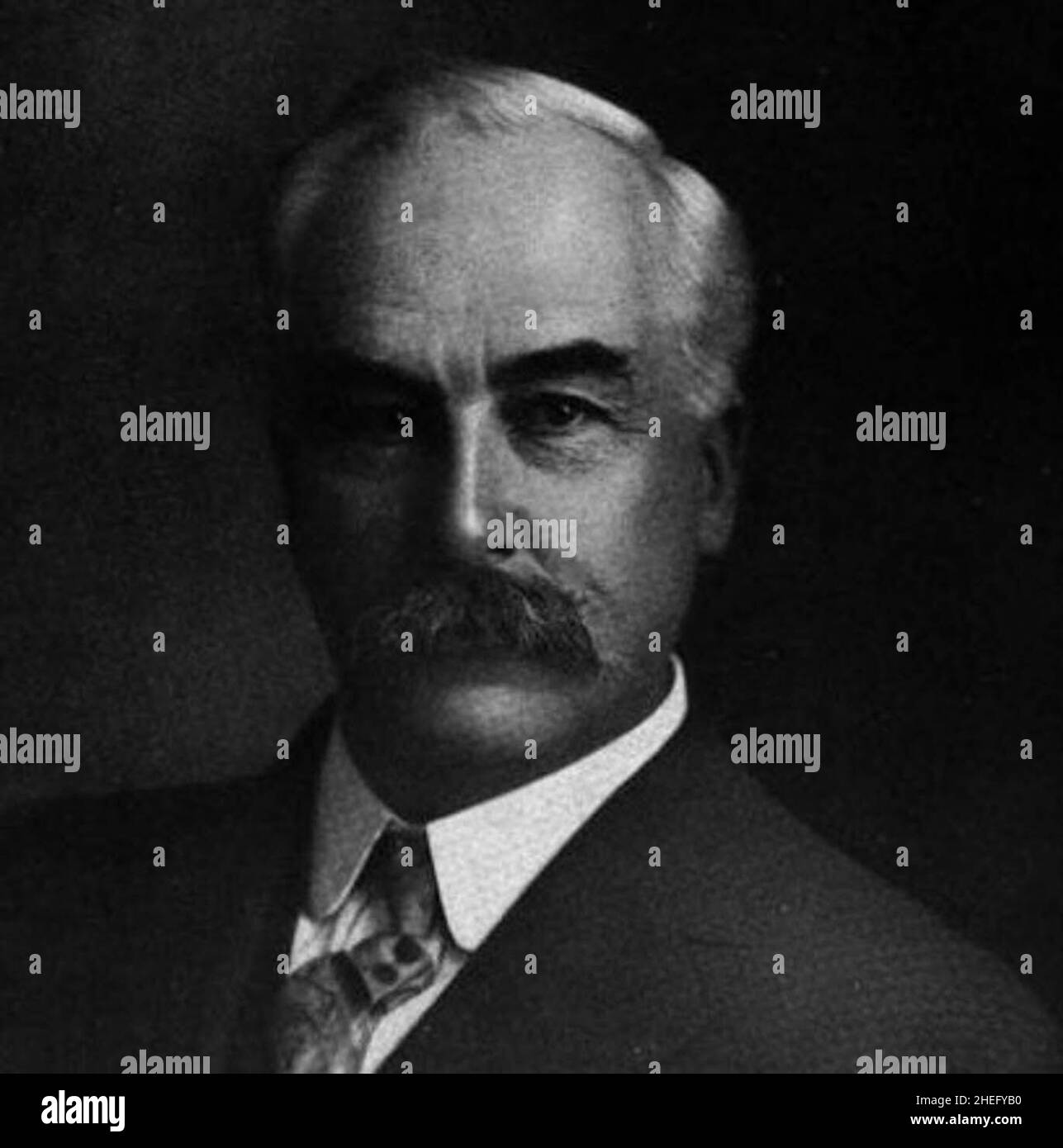
Charles Winslow
 South Africa
Also known as: Charles Lyndhurst Winslow
Birthday
August 1, 1888
Birth Sign
Leo
Birthplace
Queenstown, South Africa
Age
Died at 75
About
Charles Lyndhurst Winslow was a South African tennis player who made history as one of the nation's earliest Olympic medalists. Born in 1888 in Queenstown, he competed at the highest levels of amateur tennis in the early twentieth century, when the sport was strictly for amateurs and required personal wealth to sustain.
His Olympic career produced three medals across two Games, including a gold in the men's indoor singles at the 1912 Stockholm Olympics. That victory, alongside a silver in the indoor doubles with his brother Harold, placed him among the most decorated South African Olympians of his era. He added a bronze in the outdoor doubles at the 1920 Antwerp Games.
Winslow's legacy lives on in Olympic history as one of only a handful of champions in the now-defunct indoor tennis discipline. He passed away in Johannesburg in 1963 at the age of 75, remembered as a pioneering figure in South African sport.
Early Life & Background
Charles Lyndhurst Winslow was born on 1 August 1888 in Queenstown, a town in the Eastern Cape of what was then the Cape Colony. He grew up in a colonial-era family with enough means to support amateur athletic pursuits, which was essential in an age when tennis offered no prize money and required independent financial backing.
His brother Harold Winslow also took up the sport, and the two developed their skills together on South African courts. The early 1900s saw tennis expanding internationally, with the Olympics embracing the sport in 1908. Winslow emerged as one of South Africa's leading players, his game well suited to the fast, low-bouncing surfaces of indoor courts.
By the time the 1912 Stockholm Olympics came around, Winslow had established himself as a formidable competitor, ready to make his mark on the world stage.
Career Growth
At the 1912 Stockholm Olympics, Winslow captured the gold medal in the men's indoor singles, defeating French player Jean Samazeuilh in the final. He then partnered with his brother Harold in the indoor doubles, where the pair took the silver medal, losing to the French team of Maurice Germot and André Gobert.
The indoor tennis events were held at only two Olympics (1908 and 1912) before being discontinued, making Winslow's gold a rare achievement in a discipline that no longer exists. Eight years later, at the 1920 Antwerp Olympics, he returned to competition in the outdoor doubles. Partnering again with Harold, the Winslow brothers reached the bronze medal match and defeated the Belgian pair of Albert Lammens and André Lemaire to claim the bronze.
His Olympic career spanned eight years, interrupted by the First World War, which cancelled the 1916 Games. Winslow competed in the strictly amateur era, playing for national pride rather than financial reward. His three medals place him among the most successful sibling pairings in Olympic tennis history.
Career Timeline
Public Image & Style
Winslow's public image is that of a pioneering South African sportsman from the early twentieth century. In Olympic historical accounts, he is remembered as a graceful and tenacious competitor who excelled in the specialised discipline of indoor tennis.
His partnership with his brother adds a notable family dimension to his legacy. No formal fandom culture, fan names, or signature style documentation exists for an athlete of his era, whose career predated modern sports celebrity culture. His legacy is preserved primarily through Olympic records, South African sporting history archives, and encyclopedic references.
Fame & Fandom (iFAMOUS Rankings)
Charles Winslow's global fame, as measured by iFANN's Global Fame Engine, is minimal in the contemporary landscape. The engine has evaluated his historical profile, but he does not currently hold a placement in the published rankings, whether in the Global Top 1,000 or any Top-100 scope list. This absence reflects the quiet legacy of an amateur athlete from a century ago, whose renown is primarily confined to Olympic history archives and tennis aficionados. No formal fandom name is documented in iFANN data; indeed, no organized fanbase exists for Winslow. His era predated modern sports celebrity culture, and his admirers are likely historians and tennis enthusiasts who appreciate his pioneering role in South African sport. While his Olympic achievements are celebrated in historical accounts, they have not translated into measurable contemporary fame signals. Thus, Winslow's place in the pantheon of famous figures is secure but unranked, a reflection of a different age of athletic renown.
Interesting Facts and Legends
Winslow's gold medal came in the indoor singles, a discipline that appeared in the Olympic programme only twice (1908 and 1912) before being discontinued. He is one of only a handful of Olympic indoor tennis champions in history. He and his brother Harold formed one of the most successful brother pairings in Olympic tennis, winning two doubles medals together: silver in 1912 and bronze in 1920. Winslow was among the earliest South African Olympic medalists, competing at a time when South Africa was establishing its presence in international sport following the formation of the Union in 1910. His career was interrupted by the First World War, which cancelled the 1916 Olympics. As an amateur-era athlete, he received no prize money and competed for national pride.
In the annals of Olympic tennis, Winslow's indoor singles victory in Stockholm remains a singular feat, as the event was never held again after 1912. His ability to adapt to the fast, wooden courts of indoor tennis set him apart from his outdoor-focused contemporaries. Though no viral legends or fan folklore surround him, his story is retold in Olympic histories as a model of amateur dedication and familial partnership, with his brother Harold by his side in two Olympic finals.
Family & Personal Life
Charles Winslow's most notable family connection was his brother Harold Winslow, with whom he won two Olympic medals in doubles competition. The brothers' partnership on the court was a defining feature of both men's athletic careers.
Details of Winslow's parents, spouse, and children are not well documented in available sources, reflecting the limited biographical record for early twentieth-century athletes outside the major European and American tennis powers. As a member of the colonial South African elite, he would have received a standard British-colonial education typical of his class and era.
Notable Connections
Charles Winslow's most significant association was with his brother Harold Winslow, his doubles partner at the 1912 and 1920 Olympics. He also faced French player Jean Samazeuilh in the 1912 indoor singles final, defeating him for the gold. In the indoor doubles final, the French pair of Maurice Germot and André Gobert bested the Winslow brothers.
Relationships & Dating History
No public romantic relationships are documented for Charles Lyndhurst Winslow in available sources. As a figure from the early twentieth century whose biography is primarily recorded through his athletic achievements, records of his personal romantic life have not been preserved in accessible historical documentation. This is consistent with the limited biographical detail available for many Olympic athletes of his era, particularly those from outside the major Western sporting nations. At the time of his death on 15 September 1963, no relationship status is recorded.
Death & Aftermath
Died
September 15, 1963 (aged 75)
Death Place
Unknown
Cause of Death
Unknown
Charles Lyndhurst Winslow passed away at the age of seventy-five on September 15, 1963. The historical record confirms this specific date of death for the South African Olympic tennis player, marking the end of a life that began on August 1, 1888. While his identity and lifespan are established through biographical entries, the available sources do not specify the location where he died or the medical circumstances surrounding his final days.
Historical archives contain no details regarding the date, location, or nature of his funeral services, burial sites, or cremation arrangements. The administrative handling of his estate remains unrecorded in public archives, reflecting the typical situation for amateurs of his generation who did not accumulate significant public wealth.
His legacy remains defined by his status as a three-time Olympic medalist and one of South Africa's most decorated athletes, yet the silence of the historical record regarding these final matters reflects the limited biographical preservation common for early twentieth-century athletes outside major tennis powers. No disputed accounts exist in the source material, and the absence of further documentation stands as the complete account of his death and its immediate consequences.
Net Worth (Estate Value)
$1 Million
iFANN Editorial Team estimate
As a deceased amateur athlete from the pre-professional era, Charles Winslow's estate value is not documented in public records. Tennis in his day offered no prize money, and his earnings would have come solely from personal assets. No information is available regarding estate management or posthumous revenue. iFANN's editorial research currently estimates his net worth at $1 Million, a figure that likely reflects the historical value of his personal holdings and any posthumous recognition, though precise documentation is lacking. His financial legacy is minimal, with his true wealth lying in his historic Olympic achievements.
Awards Won (3)
Charles Winslow won three Olympic medals during his career: gold in the men's indoor singles at the 1912 Stockholm Olympics, silver in the indoor doubles with his brother Harold, and bronze in the outdoor doubles at the 1920 Antwerp Olympics. These medals represent the pinnacle of his achievements in the amateur era of tennis.
1912 · Men's Indoor Singles
1912 Stockholm Olympics
1912 · Men's Indoor Doubles
1912 Stockholm Olympics
Known For
1912 Stockholm Olympics
1912 · Gold medal in men's indoor singles
1912 Stockholm Olympics
1912 · Silver medal in men's indoor doubles
1920 Antwerp Olympics
1920 · Bronze medal in men's outdoor doubles
Keywords
Sources
Quick Facts
- Profession
- tennis player
- Born
- August 1, 1888
- Birthplace
- Queenstown, South Africa
- Died
- September 15, 1963
- Death Place
- Johannesburg, South Africa
- Gender
- Male
- Birth Sign
- Leo
- Olympic Medals
- 3 (1 gold, 1 silver, 1 bronze)
Personal Details
- Full Name
- Charles Lyndhurst Winslow
Frequently Asked Questions
How many Olympic medals did Charles Winslow win?
Who did Charles Winslow partner with in Olympic doubles?
Was Charles Winslow related to Harold Winslow?
When and where was Charles Winslow born?
What happened to the Olympic indoor tennis events that Winslow competed in?
Similar People
Join the community
fans discussing