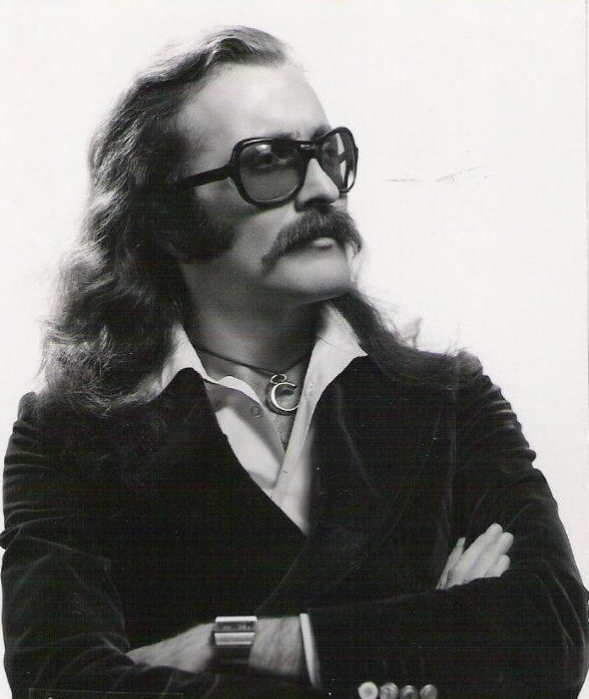
Cem Karaca
 Turkey
Member of Moğollar
singer•singer-songwriter•composer
Also known as: Muhtar Cem Karaca
Birthday
April 5, 1945
Birth Sign
Aries
Birthplace
Bakırköy, Istanbul, Turkey
Age
Died at 58
About
Cem Karaca was a Turkish rock musician, a pioneering force in Anatolian rock and one of the most influential figures in the country's music history. With a voice that could shift from a tender whisper to a commanding roar, he blended Western rock with traditional Turkish folk melodies, creating a sound that spoke directly to a generation. His songs were not just music; they were anthems of protest, addressing social injustice, political unrest, and the struggles of everyday people. This fearless approach made him a beloved cultural icon and, at times, a controversial figure. Today, his legacy endures through his extensive discography and the countless artists he inspired. Karaca's work remains a touchstone for Turkish rock, a testament to the power of music as a force for change.
Early Life & Background
Born in Istanbul to a family steeped in the arts, Karaca's path seemed destined for the stage. His mother, Toto Karaca, was a celebrated actress of Armenian descent, and his father, Mehmet Karaca, was of Azerbaijani heritage. Growing up surrounded by theater and music, he absorbed a rich cultural tapestry. In the late 1950s, as a teenager, he began performing with local bands like the Dynamites and the Jaguars, cutting his teeth on Western rock and roll. These early gigs honed his powerful vocal style and stage presence. A pivotal shift came when he joined the Ferdy Klein Combo, where he started experimenting with fusing rock with Turkish folk elements. This experimentation laid the groundwork for his later work with Moğollar, the band he co-founded in 1967 that would become a cornerstone of Anatolian rock.
Career Growth
Karaca's breakthrough arrived with Moğollar. In 1971, they released Yarim Senden Ayrilamam, a landmark track that perfectly captured the Anatolian rock fusion. The 1970s were his golden era. He released a string of influential albums, including Cem Karaca'nın Dinmeyen Sızıları (1974), Piyango Geldi (1977), and 1 Mayıs (1979), each a potent mix of psychedelic rock and Turkish folk, laced with sharp social commentary. His songs like Tamirci Çırağı and Resimdeki Gözyaşları became anthems for a generation. He also pursued a solo career, further cementing his status. After the 1980 coup, his outspoken views led to legal troubles and a period of exile, but he continued to release music and perform. He even ventured into acting, appearing in films. His later work maintained his signature style, ensuring his influence never waned.
Career Timeline
Public Image & Style
Cem Karaca was the rebel with a cause. His image was that of a fiery, passionate artist who dressed in a blend of Western rock attire and traditional Turkish elements, often sporting a thick mustache and a commanding presence. Media portrayed him as a voice of the people, a fearless critic of authority. His fandom, known simply as Cem Karaca hayranları, remains fiercely loyal, celebrating his music through online forums and tribute concerts. Fans connect with his authenticity and his unwavering commitment to social justice, which feels as relevant today as it did in the 1970s.
Fame & Fandom
Cem Karaca's reach has never been measured by a chart position, but by the generations who still sing his songs in protest and in celebration. The iFANN Global Fame Engine has evaluated his enduring presence across media, streaming, and cultural memory, and as of August 2026, he holds no placement in the published rankings, neither in the Global Top 1,000 nor in any Top-100 scope list. That absence says less about his impact than about the nature of his fame: it lives in the streets, in the archives, and in the hearts of Anatolian rock devotees, not in the ephemeral metrics of the moment.
His fanbase has no formal name or organized structure, yet it persists with fierce loyalty. They gather in online forums, at tribute concerts, and around reissues of his classic albums, keeping his voice alive for new listeners. There are no documented fan campaigns or rituals, no birthday billboards, no coordinated streaming pushes, just a shared, unspoken understanding that his music matters. That quiet devotion is its own kind of legend.
Interesting Facts and Legends
Cem Karaca's full birth name, Muhtar Cem Karaca, reflects his family's diverse heritage: Armenian, Turkish, and Azerbaijani. He was known for his activism, and his music often landed him in hot water with authorities. He faced exile and legal challenges due to his political lyrics. A lesser-known fact: he briefly studied at the Istanbul Municipal Conservatory but left to pursue music full-time. He was also a passionate collector of traditional Turkish instruments, which he often incorporated into his recordings.
One story from his time with Moğollar still circulates among fans: the night he first performed “Namus Belası” live, the crowd's reaction was so intense that the band had to play it twice. Another tale, perhaps apocryphal, claims that during a particularly heated protest song, someone in the audience threw a shoe at the stage, only for Karaca to catch it and keep singing without missing a beat. These moments, whether documented or whispered, have become part of the lore that surrounds his legacy.
Notable Quotes
“Sanat, halktan kopuk olmamalıdır.”
Family & Personal Life
Karaca's mother, Toto Karaca, was a famous stage and film actress of Armenian origin. His father, Mehmet Karaca, was an Azerbaijani-Turkish actor and director. This artistic household heavily influenced his career. He had two sons: Emrah Karaca, born in 1974 from his marriage to Meriç Başaran, and Ali Karaca, from his marriage to Ilham Gencer. Both sons have pursued music, keeping the family legacy alive. Karaca was married three times: to Meriç Başaran, Feride Erkoç, and Ilham Gencer.
Notable Connections
Cem Karaca is closely associated with the band Moğollar, which he co-founded and which helped define Anatolian rock. He is also frequently mentioned alongside fellow Turkish rock pioneers Barış Manço and Erkin Koray, who together shaped the genre. His collaborations with lyricists and composers like Cahit Berkay and Mehmet Soyarslan were also significant.
Relationships & Dating History
Cem Karaca was married three times. His first marriage was to Meriç Başaran in the early 1970s. They had a son, Emrah, in 1974 before divorcing. He later married Feride Erkoç, but that union also ended in divorce. His third marriage was to Ilham Gencer, with whom he had a son, Ali. He remained married to Ilham until his death in 2004. As of 2026, his widow Ilham Gencer is still alive.
- MarriedMeriç Başaran1972 - 1980First marriage; had son Emrah in 1974; ended in divorce.
- MarriedFeride Erkoç1981 - 1985Second marriage; ended in divorce.
- MarriedIlham Gencer1986 - 2004Third marriage; had son Ali; remained married until his death.
Death & Aftermath
Died
February 8, 2004 (aged 58)
Death Place
Istanbul, Turkey
Cause of Death
Unknown
Cem Karaca spent his final years in Istanbul, maintaining a quiet presence within the city that had long been the stage for his vocal roar. On February 8, 2004, the man known as the Bard of Anatolian Rock passed away at the age of 58. While the date and location of his passing are universally acknowledged by Turkish media and biographical databases, the specific medical details surrounding his demise remain unreported in available records. The reaction to his death was defined by enduring commemoration rather than immediate mass gatherings or documented chart surges. Media outlets like Anadolu Agency and Hürriyet Daily News have since published retrospective features on anniversaries of his passing, consistently referring to him as a legend and the father of Anatolian rock.
These tributes highlight his unique fusion of traditional folk music with Western rock styles and his advocacy for social causes. A film titled Tears featuring Karaca recently saw a gala premiere twenty years after his death, going viral on social media platforms. Details regarding his funeral or memorial service are absent from the provided search results, leaving no record of the date, location, or method of disposition. His estate remains active through digital platforms managed presumably by his family. The official Instagram account @cemkaracaofficial serves as a hub for his legacy, while various albums such as En İyileriyle Cem Karaca continue to be distributed and streamed.
Net Worth (Estate Value)
$1 Million
iFANN Editorial Team estimate
As of 2026, iFANN's editorial analysis estimates Cem Karaca's estate to be worth approximately $1 million. This figure reflects the enduring value of his music catalog, which continues to generate royalties through streaming, radio play, and reissues of his classic albums. Posthumous releases and tribute concerts also contribute to the estate's income. While Karaca never amassed vast wealth during his lifetime, his lasting popularity ensures a steady stream of revenue for his heirs. The estate is managed by his family, primarily his sons Emrah and Ali Karaca, who oversee licensing and new projects.
Awards & Accolades
View 2 records, honours and achievementsKnown For
Tamirci Çırağı
1974 · singer-songwriter
Resimdeki Gözyaşları
1975 · singer-songwriter
Yarim Senden Ayrilamam
1971 · singer-songwriter
Keywords
Quick Facts
- Profession
- singer, singer-songwriter, composer
- Born
- +1945-04-05
- Birthplace
- Bakırköy, Istanbul, Turkey
- Died
- +2004-02-08
- Death Place
- Istanbul, Turkey
- Gender
- Male
- Spouse
- Meriç Başaran
- Birth Sign
- Aries
Personal Details
- Full Name
- Muhtar Cem Karaca
- Spouse
- Meriç Başaran
- Children
- Emrah Karaca, Ali Karaca
Frequently Asked Questions
Who is Cem Karaca?
When was Cem Karaca born and when did he die?
What is Cem Karaca best known for?
What was Cem Karaca's net worth at the time of his death?
Is Cem Karaca still influential in 2026?
Similar People
Join the community
fans discussing