Caster Semenya
 South Africa
middle-distance runner•human rights advocate
Also known as: Caster Mokgadi Semenya, Mokgadi Caster Semenya
Birthday
January 7, 1991
Birth Sign
Capricorn
Birthplace
Polokwane, South Africa
Age
35 years old
Height
5 ft 6 in (1.68 m)
About
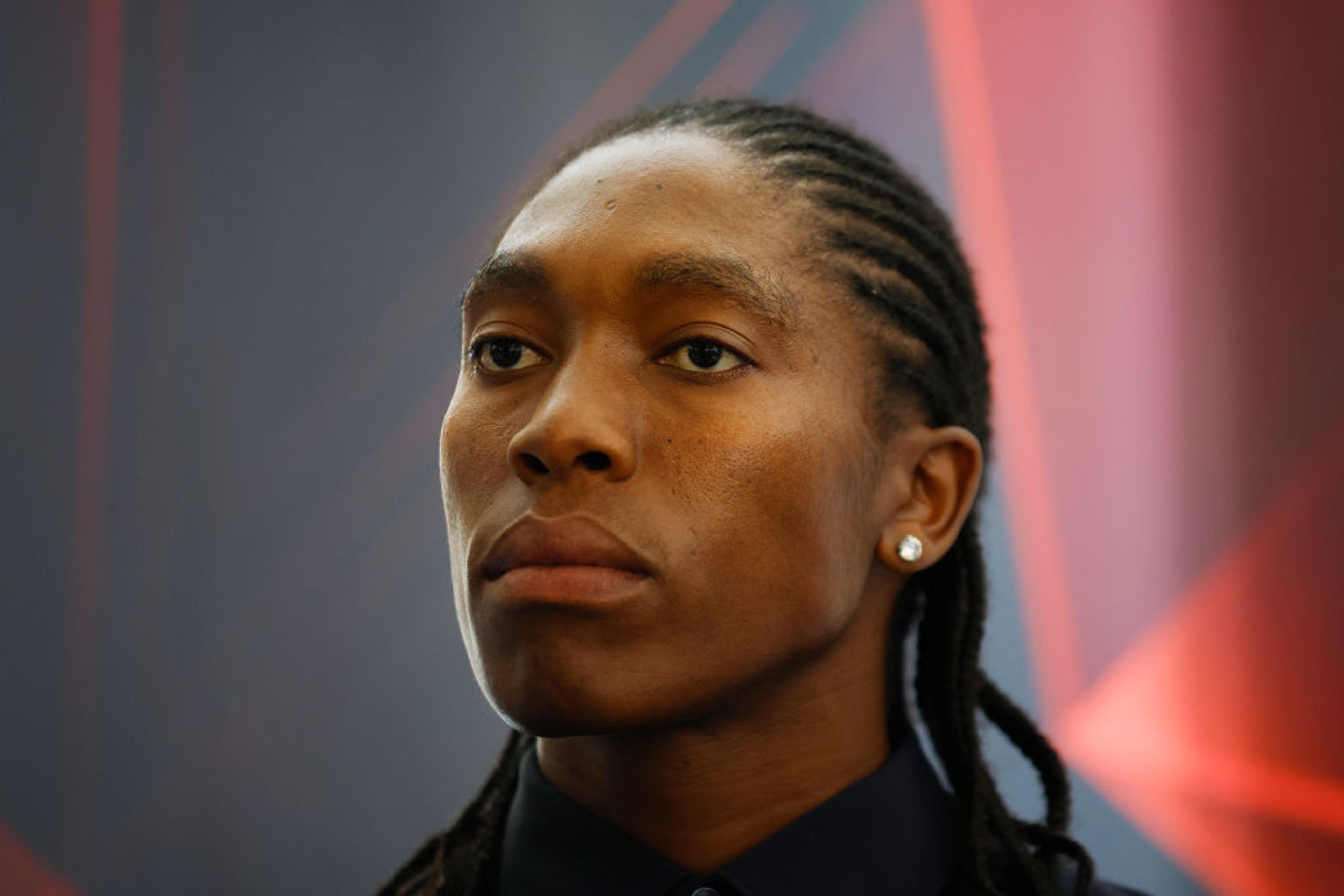
Caster Mokgadi Semenya OIB, born on 7 January 1991 in Polokwane, Limpopo Province, South Africa, is a former middle-distance runner and one of the most prominent figures in modern athletics. Standing at approximately 1.68 meters (5 ft 6 in), she rose to global fame as a two-time Olympic gold medalist and three-time World Champion in the 800 metres. Her career was defined not only by her athletic dominance but also by a decade-long legal battle against discriminatory regulations regarding sex eligibility and testosterone levels, which ultimately led to her retirement from competitive running in October 2025.
She won two Olympic gold medals and three World Championship titles, establishing herself as a dominant force on the track during the 2010s. Despite facing intense scrutiny and legal battles regarding naturally elevated testosterone levels, Semenya refused to take medication to suppress them. This stance led to a seven-year legal war against World Athletics and the International Olympic Committee. Today, she remains a vocal advocate for athlete rights and human dignity, having officially retired in late 2025 to end her fight against restrictive policies that barred her from competing in her preferred events.
Early Life & Background
Born in Mankweng, a village near Polokwane, Caster grew up in a community where running was a common mode of transport and play. Before turning her attention to track, she played association football with boys in her neighborhood, often proving to be the fastest player on the field. Her athletic potential became evident during high school, where she competed in various distances alongside her soccer games. She attended the University of Pretoria to study Sports Science, reflecting an early interest in understanding her own physiology.
Prior to her international breakthrough, she joined the North West University team to train under coach Andre Viljoen. Although she had already secured several national titles within South Africa, she remained relatively unknown outside the continent until her unexpected rise on the world stage in 2009. The then-18-year-old entered the 2009 World Championships in Berlin with no prior international experience, setting a personal best of 1:55.45 in a stunning upset that would change her life forever.
Career Growth
Semenya's career changed forever in August 2009 at the World Championships in Berlin. The victory triggered immediate mandatory gender verification tests by the IAAF, which turned her into a global symbol for athletes with Differences of Sex Development. She continued to dominate despite the controversy. Following the disqualification of Russian athlete Mariya Savinova for doping, Semenya was retroactively awarded the gold medal for the 2011 World Championships in Daegu. She claimed her first Olympic gold at the London 2012 Games, winning the 800m in 1:57.23.
After a period of suspension due to ongoing legal disputes over eligibility rules, she returned to win the 800m title again at the 2016 Rio Olympics. In 2017, she secured another World Championship gold in London and added a bronze medal in the 1500m. Her dominance extended to the Commonwealth Games, where she won gold in 2018 and 2022. In 2019, World Athletics introduced new DSD regulations requiring testosterone suppression; Semenya refused. This refusal led to a seven-year litigation process involving the Court of Arbitration for Sport and the European Court of Human Rights. She officially ended her legal battle in October 2025, citing exhaustion and the futility of continuing to fight restrictive policies.
Career Timeline
Public Image & Style
Semenya's public image has evolved from a mysterious young champion to a resilient icon of resistance. Media portrayals often focus on her physical strength and the controversy surrounding her biology, but she has worked to reclaim her narrative through her writing and public statements. Her style is generally understated, favoring athletic wear and formal attire that reflects her dignity. On social media, she maintains a presence focused on advocacy, sharing messages of empowerment and updates on her legal and political stances. She is viewed globally not just as an athlete, but as a human rights defender who challenged powerful institutions.
Her Instagram account @castersemenya800m boasts 255,000 followers, while her Facebook page holds over 328,000 likes, serving as hubs for news sharing and older demographics. She uses these platforms to share real-time commentary on sports policy and human rights issues, reinforcing her role as a voice for athlete rights. Her memoir, The Race To Be Myself, further cements her image as an author willing to share her mental health struggles and personal journey with the world.
Fame & Fandom (iFAMOUS Rankings)
Caster Semenya commands a global audience united by solidarity and respect for her struggle rather than traditional fandom rituals. There is no organized legion of supporters, no specific name for her followers, and no viral campaigns funding billboards for her birthday. Her audience consists instead of activists, human rights advocates, and supporters of LGBTQ+ and intersex rights. The cultural mythology surrounding her centers on the 2009 Berlin incident and the subsequent legal war. Stories fans tell newcomers first involve her refusal to take medication to suppress her testosterone, framing her as a martyr for bodily autonomy.
While there are no fan clubs, her name frequently appears in discussions about fairness in sports, making her a permanent fixture in the cultural lexicon of athletics. Her influence remains profound across media coverage and consumption signals worldwide. According to the iFANN Global Fame Rankings data from September 2026, she is currently ranked the 92nd most famous person in South Africa, a position up from 93rd last cycle. Furthermore, she holds the title of the 44th most famous person from South Africa, holding steady from the previous cycle.
Interesting Facts and Legends
Before becoming a world champion runner, Caster played soccer with boys in her village, often being the fastest player on the field. Despite the intense media scrutiny surrounding her biology, she has never revealed the full results of her genetic testing, maintaining that her identity as a woman does not depend on biological markers. She authored a memoir titled The Race To Be Myself, published to share her personal journey and mental health struggles. Her story includes a unique legend: the 2009 Berlin incident created the modern debate on DSD in sports, marking the first time such invasive testing was applied so publicly to a female champion.
She was appointed Officer of the Order of Ikhamanga (OIB) by the President of South Africa in 2017 for her contributions to sport and humanity. She holds the distinction of being recognized for winning back-to-back Olympic 800m titles since 1980, though this record is often contested by other athletes' performances. Her Twitter/X handle @caster800m serves as a platform for real-time commentary on sports policy and human rights issues.
Notable Quotes
“I am a woman. I am a South African. I am an athlete.”
“I will not be silenced. I will not be humiliated.”
“The IOC's ruling is a disgrace.”
“This is a disrespect for women.”
Family & Personal Life
Caster comes from a close-knit family in Mankweng, Limpopo Province. Her family has remained a source of support throughout her decade-long legal battles. She has maintained a notably private personal life compared to her public battles. There are no widely reported prior romantic relationships or engagements in public records. While specific details about their relationship history are scarce due to Semenya's privacy preferences, it is confirmed they have been together for many years. As of 2026, Caster is married to Violet Raseboya. They do not have any publicly known children. Her household remains a sanctuary away from the global media spotlight that has followed her since 2009.
Notable Connections
Relationships & Dating History
Caster Semenya is married to Violet Raseboya, a fellow South African athlete and activist. While specific details about their relationship history are scarce due to Semenya's privacy preferences, it is confirmed they have been together for many years. There are no widely reported prior romantic relationships or engagements in public records. As of 2026, Caster is married to Violet Raseboya. They do not have any publicly known children.
In early 2026, following the conclusion of her legal saga, Semenya publicly condemned the International Olympic Committee's decision to reinstate strict gender verification tests and ban transgender women from female categories, calling the policy a "disgrace" and a "disrespect for women." She stated that these measures undermined the very principles of inclusion she had fought for throughout her career. Her comments were widely covered by major outlets including ESPN, The Guardian, and Al Jazeera, highlighting her enduring influence as a voice for athlete rights.
- MarriedViolet Raseboyaunknown - presentCurrentFellow South African athlete and activist; married for many years.
Salary, Net Worth In 2026
$1.8 Million
iFANN Editorial Team estimate
iFANN Editorial Team research estimates Caster Semenya's net worth at approximately $1.5 million as of 2026. Her wealth stems primarily from prize money accumulated over two decades of elite competition, long-term endorsement deals with Nike, and royalties from her memoir, The Race To Be Myself. Speaking engagements focused on human rights and sports ethics have also contributed to her financial standing. She owns real estate holdings in Polokwane and Johannesburg. Unlike some peers, she has not launched major business ventures or production companies since retiring, focusing instead on advocacy work.
Forbes estimated her net worth at $1.5 million in 2026, citing prize money and Nike sponsorship. Celebrity Net Worth placed her at $1.2 million, factoring in book royalties and speaking fees. Sports Business Journal analyzed her value at $1.8 million, including the long-term value of her Nike partnership and real estate. Her estate value continues to grow through book sales and licensing of her likeness for charitable causes.
Awards Won (8)
Caster Semenya has won numerous prestigious awards including two Olympic gold medals, three World Championship titles, and multiple Commonwealth Games and African Championship golds. She was appointed Officer of the Order of Ikhamanga (OIB) by the President of South Africa in 2017 for her contributions to sport and humanity. She has also received recognition for overcoming adversity, though specific dates for humanitarian awards are less documented than her sporting medals.
2016 · 800m
Rio Olympics
2012 · 800m
London Olympics
2017 · 800m
London World Championships
2011 · 800m
Daegu World Championships
2009 · 800m
Berlin World Championships
Known For
Olympic Games
2012 · Gold Medalist (800m)
World Athletics Championships
2009 · Gold Medalist (800m)
World Athletics Championships
2017 · Gold Medalist (800m)
Keywords
Sources
Quick Facts
- Profession
- middle-distance runner, association football player, professional athlete
- Born
- January 7, 1991
- Birthplace
- Polokwane, South Africa
- Spouse
- Violet Raseboya
- Birth Sign
- Capricorn
Personal Details
- Full Name
- Caster Mokgadi Semenya
- Height
- 5 ft 6 in (1.68 m)
- Spouse
- Violet Raseboya
- Children
- Education
- University of Pretoria (Sports Science), North West University
Frequently Asked Questions
Is Caster Semenya still competing?
What is Caster Semenya's net worth?
Who is Caster Semenya married to?
Why did Caster Semenya stop running?
Does Caster Semenya have children?
Similar People
Join the community
fans discussing