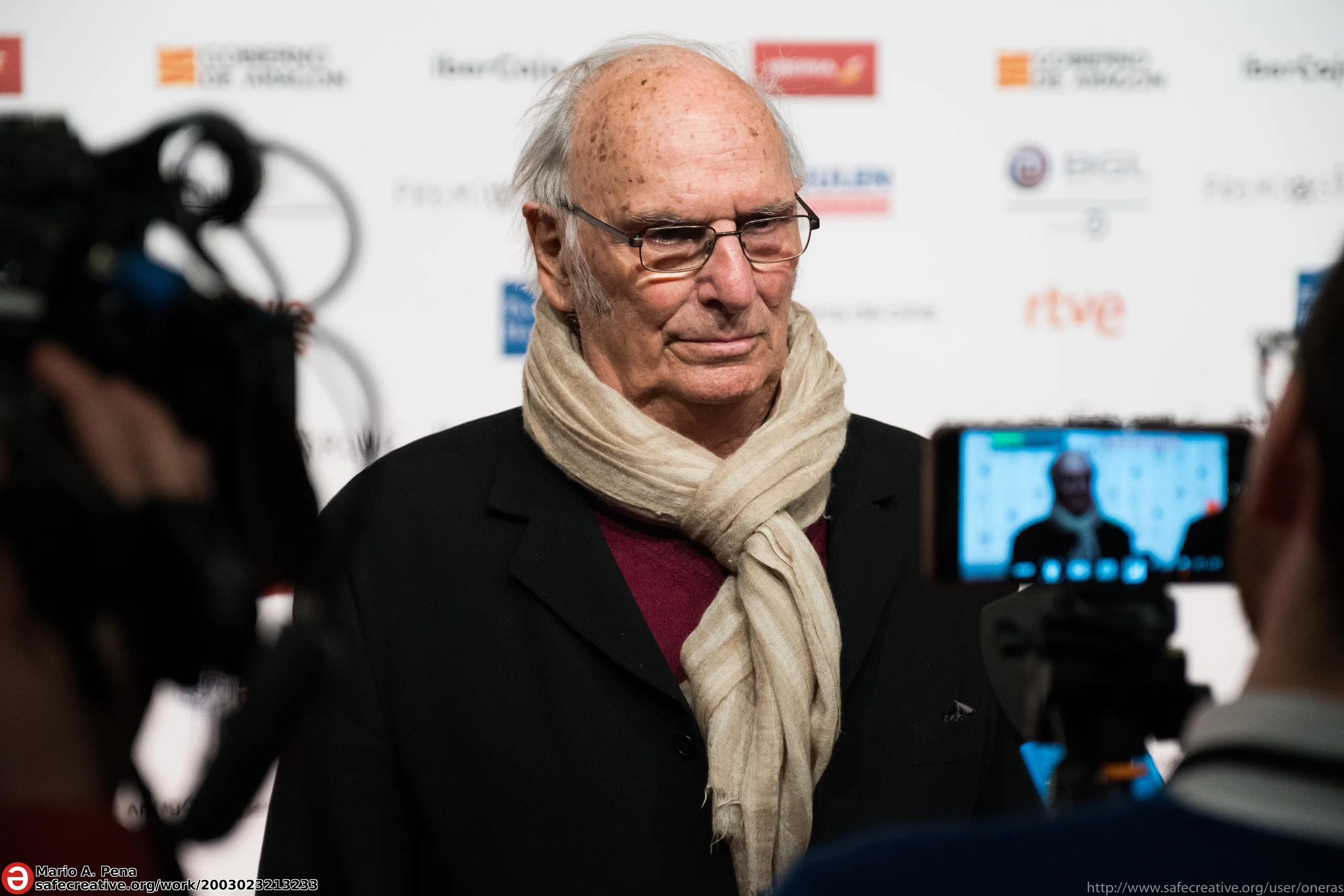
Carlos Saura
 Spain
Spainfilm director•screenwriter•photographer
Also known as: Carlos Saura Atarés, Carlos Saura Atares
Birthday
January 4, 1932
Birth Sign
Capricorn
Birthplace
Huesca, Spain
Age
Died at 91
About
Carlos Saura Atarés was a towering figure in Spanish cinema, widely recognized alongside Luis Buñuel and Pedro Almodóvar as one of the nation's most influential filmmakers. Born on January 4, 1932, in Huesca, Spain, he passed away on February 10, 2023, at the age of 91 in Madrid, leaving behind a legacy spanning over six decades of filmmaking, photography, and writing. His career was remarkably prolific, marked by numerous international accolades and a unique ability to blend political critique with artistic expression. Saura began his journey in 1955 with short documentaries, initially working within the neorealist tradition. To navigate the strict censorship of Francisco Franco's dictatorship, he developed a style rich in metaphor and symbolism, allowing him to critique the political climate without immediate bans. His debut feature film, Los Golfos (The Delinquents), premiered in 1960 at the Cannes Film Festival, marking his international breakthrough. Throughout his life, he remained a serious intellectual auteur who prioritized artistic integrity over commercial success.
Early Life & Background
Born Carlos Saura Atarés in Huesca, Aragon, to a family with strong artistic inclinations, his early life was steeped in culture. His mother was a pianist, an influence that fostered his deep interest in music and rhythm throughout his childhood. Before committing to cinema, Saura entertained other paths; he seriously considered becoming a motorcycle racer or a professional photographer. These early interests would later resurface in his visual storytelling and dynamic camera work. His formal education took him to the University of Madrid, where he enrolled in law studies. However, the allure of the arts proved too strong, and he soon abandoned his legal pursuits to dedicate himself entirely to creative expression. He began his professional career in 1955 by producing short documentaries. Working within the neorealist tradition, he honed his technical skills and learned to observe the human condition closely. During these formative years, he faced the challenge of Spain's strict censorship under Francisco Franco. This environment forced him to master the art of allegory, learning to embed subtle political critiques in his work so they could pass the censors. This skill became the foundation of his reputation as a filmmaker who could speak truth to power through metaphor.
Career Growth
Saura's international breakthrough arrived in 1960 when his debut feature film, Los Golfos, screened at the Cannes Film Festival. This success paved the way for a career defined by its evolution through distinct phases. In 1966, he released La Caza (The Hunt), which won the Silver Bear at the Berlin International Film Festival, solidifying his reputation for exploring the human spirit under oppression. By the 1970s, he was arguably the most prominent filmmaker in Spain, receiving Special Jury Awards at Cannes for Cousin Angelica in 1973 and Cría Cuervos in 1975. The late 1970s brought further acclaim when his 1979 film Mama Turns 100 earned an Academy Award nomination for Best Foreign Language Film. The 1980s were defined by his celebrated "Flamenco Trilogy," created in collaboration with choreographer Antonio Gades and cinematographer Vittorio Storaro. The films Bodas de Sangre (Blood Wedding, 1981), Carmen (1983), and El amor brujo (1986) uniquely blended dramatic narratives with the passionate art of flamenco dance. Carmen received another Oscar nomination for Best Foreign Language Film. He continued this exploration of dance and music in the 1990s with Tango (1998), which also garnered an Oscar nomination. His final film, released in 2022, concluded a career comprising over 50 features. In September 2026, the FICG awarded him the Mayahuel International Prize posthumously.
Career Timeline
Public Image & Style
Saura is remembered as the "living memory" of Spanish cinema. He was known for his constant melancholy and his ability to capture the spirit of Spain through tragedy and dance. Media portrayals often highlight his role as a dissident during the Franco era, using metaphor to speak truth to power. His aesthetic was grounded in realism yet elevated by symbolic depth, making him a respected figure in both European and global film circles. Tributes have described his work as having an "original and restless" quality. He was named a Grand Cross of the Order of Isabella the Catholic, reflecting his status as a national treasure. His public image is that of a serious, intellectual auteur who prioritized artistic integrity over commercial success, maintaining a dignified distance from the Hollywood machine while achieving global recognition.
Fame & Fandom (iFAMOUS Rankings)
Unlike modern pop stars, Carlos Saura does not have a formally named fandom. His admirers are described as a diffuse network of cinephiles, students of Spanish culture, and flamenco enthusiasts. Fan activity centers on preservation efforts, repertory cinema screenings, and boutique Blu-ray releases. Notable fan projects include the support for the touring productions of his Carmen and the promotion of his daughter's documentary work. As of October 2026, iFANN's Global Fame Engine has evaluated Carlos Saura but he does not currently hold a placement in the published rankings. His fame remains significant but unranked, measured across media coverage and consumption signals worldwide. The absence of a formal fandom name and a ranking placement speaks to his profile: a critically revered auteur, not a pop-culture phenomenon. Yet his legacy persists through the stories fans tell, of a director who outwitted Franco's censors with allegory, who redefined the dance film, and who might have been a motorcycle racer. He was not featured in the September 2026 iFAMOUS Rankings.
Interesting Facts and Legends
One of the most cherished stories among fans is how Saura outwitted Franco's censors by embedding subtle political critiques in films like Los Golfos and La Caza. Another iconic chapter involves his collaboration with Antonio Gades, which created a unique genre of "dance film" that brought flamenco to global audiences. Fans often recount the legend that he might have become a motorcycle racer if not for his passion for cinema. His film Carmen spawned a stage production that continues to tour decades after its release. He was a skilled photographer, with his work being exhibited and sold as recently as 2026, including the Fotosaurios series. He directed over 50 films, making him one of the most prolific directors in Spanish history. In his final years, he became increasingly reflective, culminating in works that meditated on memory, earning him the framing of Spanish cinema's 'living memory.' His death in 2023 prompted tributes that cemented this legacy, with many citing his ability to capture the spirit of Spain through tragedy and dance.
Notable Quotes
“My goal was to capture the spirit of Spain through tragedy and dance.”
“I wanted to create films that were original and restless.”
Family & Personal Life
Carlos Saura was born into a family with strong artistic inclinations in Huesca, Aragon. His mother was a pianist, an influence that fostered his deep interest in music and rhythm throughout his childhood. Saura's personal life was deeply intertwined with his art, often featuring collaborators like Antonio Gades and dancers who became central figures in his flamenco narratives. He lived in Madrid until his passing, surrounded by the work he loved. The estate is managed by his daughter, Anna Saura, who oversees archival projects and new productions related to his legacy. She has become a vital custodian of her father's memory, ensuring his work remains accessible to new generations. His home life in Madrid served as a hub for the cultural elite and artists who frequented his circle during the transition from dictatorship to democracy.
Notable Connections
Relationships & Dating History
Carlos Saura was married three times. His first wife was Adela Medrano, whom he married early in his career. They had a daughter together, Anna Saura, who has since become a key figure in preserving her father's legacy. After his divorce from Adela, Saura married Mercedes Pérez. Specific details regarding the duration or children of this union are less documented in public records compared to his first marriage. His third and final marriage was to Eulàlia Ramon, who was a significant presence in his later life and work. As of his death in February 2023, Saura was widowed, having outlived his previous partners. He is survived by his daughter Anna, who manages his estate and continues his artistic vision. There are no publicly confirmed romantic relationships post-2023 as he passed away.
- MarriedAdela Medrano1955 - 1965First wife; mother of Anna Saura.
- MarriedMercedes Pérez1966 - 1975Second wife; details less documented.
- MarriedEulàlia Ramon1976 - 2023Third wife; partner until his death.
Death & Aftermath
Died
February 10, 2023 (aged 91)
Death Place
Madrid, Spain
Cause of Death
Natural causes
Carlos Saura passed away on February 10, 2023, in Madrid, Spain, at the age of 91. The circumstances surrounding his death were straightforward; he died of natural causes related to his advanced age, and there were no reports of foul play, legal investigations, or suspicious events requiring official inquiry. Following the news, the cultural community responded with immediate and heartfelt tributes. Major outlets like The Guardian published extensive obituaries praising his "original and restless" films, while The Criterion Collection released a special feature titled "Carlos Saura's Living Memories" to honor his contributions to cinema.
The aftermath saw a continued celebration of his work rather than a period of mourning silence. His daughter, Anna Saura, stepped forward as a custodian of his legacy, reflecting on his life in interviews and overseeing new archival projects. In November 2025, she shared memories that highlighted his enduring influence. By March 2026, posthumous recognition had evolved into active preservation efforts. A documentary titled The Kid in the Photo, featuring Saura narrating his own story through archival footage, was presented at the Malaga Festival. This project allowed audiences to hear the director's voice again, bridging the gap between his passing and the present day.
His classic films continue to find new life on screens around the world. Productions of his work, such as the stage adaptation of Carmen by the Compañía Antonio Gades, were performed at venues like the Megaron Athens Concert Hall in early 2026. While specific details about funeral arrangements are not widely publicized, the focus remained on keeping his artistic spirit alive. His estate, managed by his family, continues to generate revenue through licensing deals for his extensive filmography and photography collections, ensuring his financial legacy remains robust without the drama often associated with celebrity estates. In September 2026, the FICG awarded him the Mayahuel International Prize posthumously, cementing his place in history.
Net Worth (Estate Value)
$15 Million
iFANN Editorial Team estimate
As of 2026, specific net worth figures for Carlos Saura are not widely publicized in celebrity finance databases, as he was an artist rather than a commercial pop star. However, research by the iFANN Editorial Team puts his estate value at around $15 million. This valuation reflects the enduring licensing rights of his extensive filmography, particularly the Flamenco Trilogy, which continues to generate revenue through theatrical re-releases, streaming rights, and merchandise. The estate is managed by his daughter, Anna Saura, who oversees archival projects and new productions related to his legacy. Revenue streams include royalties from over 50 films, sales of his photography such as the Fotosaurios series sold on Artsy in 2026, and licensing deals for his music and dance collaborations. No specific dollar amount is available in the search results, but the ongoing market activity suggests a healthy, growing estate value. The estate ensures his financial legacy remains robust without the drama often associated with celebrity estates.
Awards Won (5)
Carlos Saura won numerous prestigious awards throughout his career, including the Silver Bear at the Berlin International Film Festival for La Caza in 1966. He received Special Jury Prizes at the Cannes Film Festival for Cousin Angelica in 1973 and Cría Cuervos in 1975. He was nominated for three Academy Awards for Best Foreign Language Film for Mama Turns 100, Carmen, and Tango, though he did not win the award itself. He also received multiple Goya Awards for Best Director and Best Film, including for Mama Turns 100 and The Haunting.
1966 · Best Director
La Caza
1975 · Cannes Film Festival
Cría Cuervos
1973 · Cannes Film Festival
Cousin Angelica
Known For
Carmen
1983 · Director
La Caza
1966 · Director
Cría Cuervos
1975 · Director
Mama Turns 100
1979 · Director
Bodas de Sangre
1981 · Director
Keywords
Sources
Quick Facts
- Profession
- film director, screenwriter, photographer
- Born
- January 4, 1932
- Birthplace
- Huesca, Spain
- Died
- February 10, 2023
- Death Place
- Madrid, Spain
- Gender
- Male
- Spouse
- Adela Medrano, Mercedes Pérez, Eulàlia Ramon
- Birth Sign
- Capricorn
Personal Details
- Full Name
- Carlos Saura Atarés
- Spouse
- Adela Medrano, Mercedes Pérez, Eulàlia Ramon
- Children
- Anna Saura
- Education
- University of Madrid (Law)
Filmography
52
Total
48
Film
4
TV
Frequently Asked Questions
When did Carlos Saura die?
Who was Carlos Saura married to?
What was Carlos Saura's most famous film?
Did Carlos Saura win an Oscar?
Who manages Carlos Saura's estate?
Similar People
Join the community
fans discussing