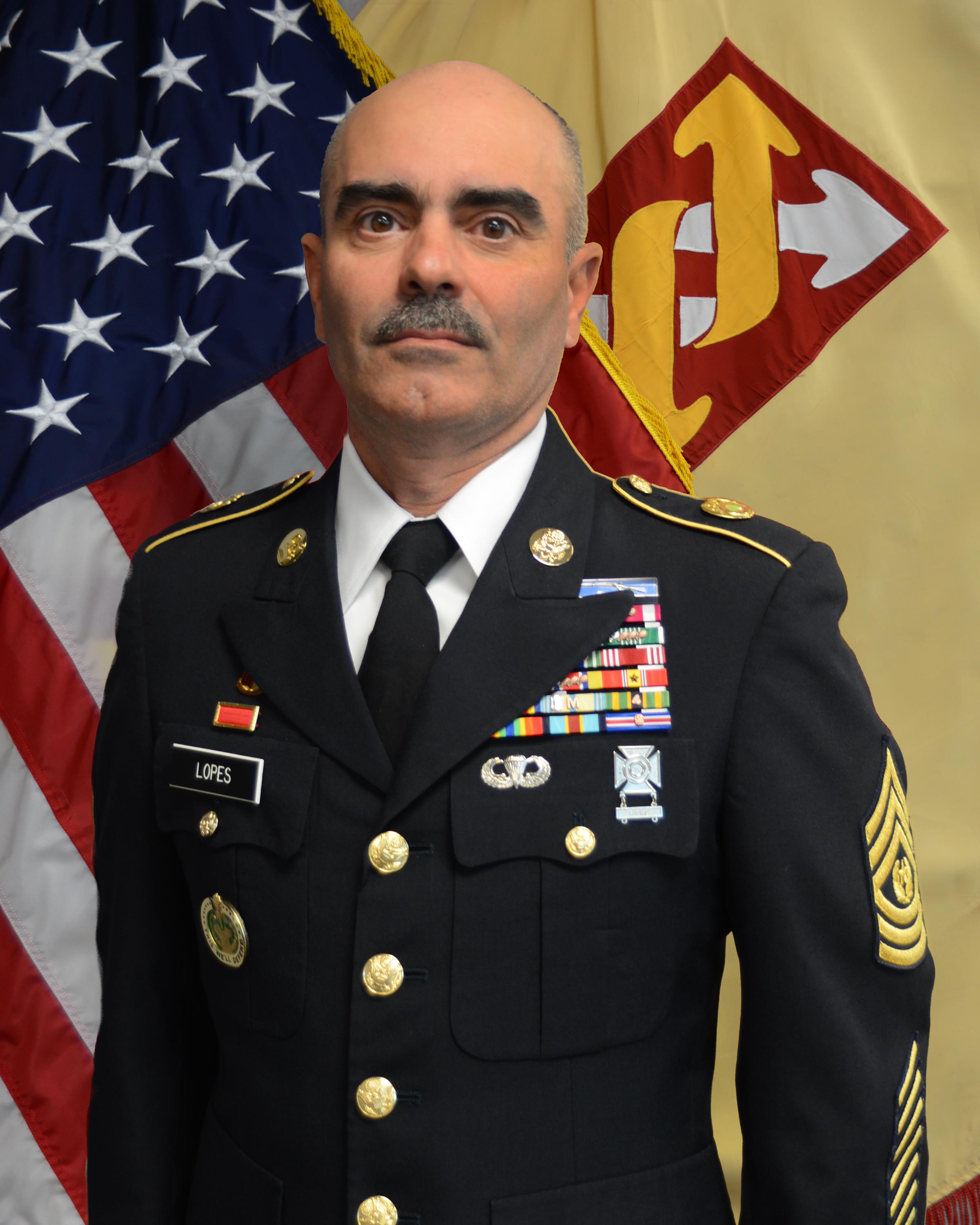
Carlos Lopes
 Portugal
marathon runner•long-distance runner•athletics competitor
Birthday
+1947-02-18
Birth Sign
Aquarius
Birthplace
Vildemoinhos
Age
79 years old
About
Carlos Lopes, born in Vildemoinhos, Portugal, on February 18, 1947, is a former long-distance runner who etched his name in athletic history. His career is defined by remarkable endurance and a series of significant achievements, particularly in marathon running. He represented Portugal with distinction throughout his career, culminating in moments that resonated deeply with his home country and the wider sporting world. He competed at the club level for Sporting CP. Lopes's journey saw him conquer some of the most prestigious races and championships in athletics. He is celebrated for winning the marathon at the 1984 Summer Olympics in Los Angeles. This victory was monumental, making him Portugal's very first Olympic gold medalist. At 37 years old, he also became the oldest marathon winner in Olympic history, a record that stood for many years. His performance in Los Angeles also set an Olympic record for the event, which remained unbroken for 24 years. His prowess wasn't limited to Olympic glory; on April 20, 1985, he set the men's marathon world record with a time of 2:07:12 at the Rotterdam Marathon. His list of accomplishments extends beyond these headline moments. Lopes secured three World Cross Country Championship titles in 1976, 1984, and 1985. He also claimed national championships across various distances, including the 10,000 metres in 1970 and 1978, the 5,000 metres in 1968 and 1983, and the 3,000 metres steeplechase in 1975. He is recognized as the last European to hold the men's marathon world record, a title he held from 1985 to 1988. His two Olympic medals and numerous championship wins solidify his status as one of Portugal's greatest athletes.
Fame & Fandom (iFAMOUS Rankings)
Carlos Lopes is the 39th most famous person in Portugal and the 98th most famous person from Portugal, climbing steadily through the iFANN Global Fame Rankings. These positions reflect a legacy that transcends the finish line, anchoring him as a living monument within a nation that still celebrates his resilience. The Portuguese public does not organize around a branded fandom name; instead, their devotion manifests as a collective national pride, treating Lopes with the reverence due to a historical figure rather than a current celebrity. Fans often refer to him as 'O Fénix,' a moniker born from his dramatic return to peak form to claim Olympic gold at age 37, a story told to newcomers as proof of his indomitable spirit.
This admiration is institutionalized through charity runs and school visits where he remains humble and deeply human. There are no fan-funded campaigns or social media movements driving his profile; his support is sustained by educational curriculums and his enduring presence in athletics halls of fame. His influence bridges high-level sport and mainstream culture, evidenced by verified anecdotes linking his achievements to the inspiration for Homer Simpson's running episodes. This unique cultural permeability ensures that while he lacks a formal fan club, his status as a global icon remains vibrant, tracked by the iFANN system across global media coverage and consumption signals worldwide.
Interesting Facts and Legends
Carlos Lopes holds a unique place in sports history as the last European man to hold the men's marathon world record, a title he secured in Rotterdam in April 1985 with a time of 2:07:12. This record stood for three years until 1988, cementing his reputation as the final European king of the distance before the era of African dominance fully took over. Beyond his athletic feats, his image permeated global pop culture in an unexpected way; writers of The Simpsons explicitly cited Lopes as the inspiration for an episode where Homer Simpson leaves his couch to start running after witnessing Lopes' achievements.
His journey to glory was not linear but defined by a remarkable comeback narrative. Before conquering the marathon, he surprised the world by winning the World Cross Country Championships in 1976, transitioning successfully from track events like the 10,000m to the grueling marathon distance. This trajectory earned him the affectionate nickname 'The Phoenix of the Marathon' among journalists and fans alike, symbolizing his ability to rise from setbacks to dominate the sport. His victory at the 1984 Los Angeles Olympics remains the defining moment of his career, marking the first time a European had won the Olympic marathon since 1908 and shifting the center of gravity for European athletics forever.
Awards & Accolades
Keywords
Quick Facts
- Profession
- marathon runner, long-distance runner, athletics competitor
- Born
- +1947-02-18
- Birthplace
- Vildemoinhos
- Gender
- Male
- Birth Sign
- Aquarius
Join the community
fans discussing