Carlos Latuff
 Brazil
Also known as: Carlos Henrique Latuff de Sousa, Visual Chronicler of Barbarism
Birthday
November 30, 1968
Birth Sign
Sagittarius
Birthplace
Rio de Janeiro, Brazil
Age
57 years old
About
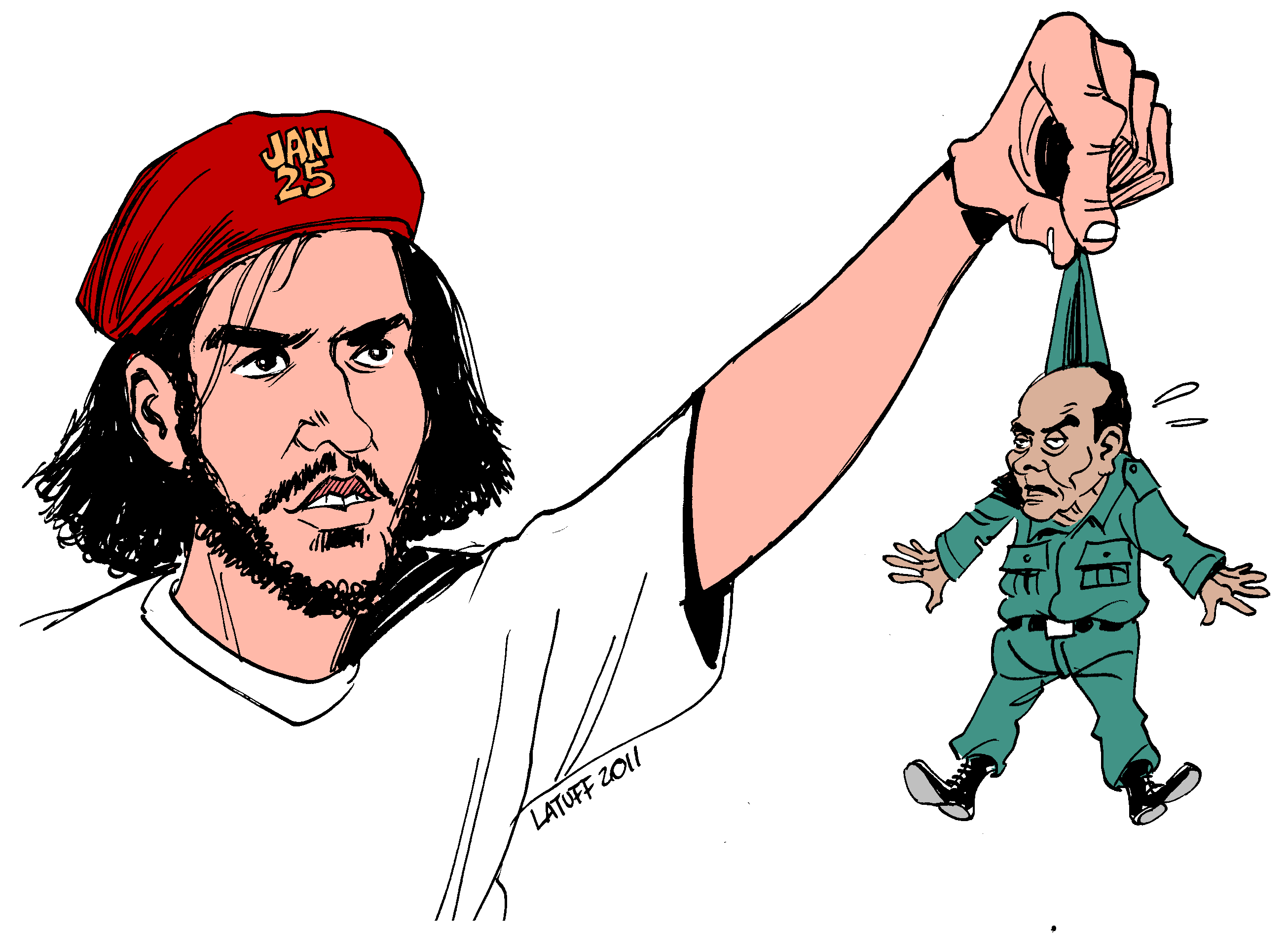
Carlos Latuff is a Brazilian political cartoonist and painter known for his sharp, confrontational critiques of Western imperialism, capitalism, and U.S. foreign policy. Born in Rio de Janeiro in 1968, he has spent decades working as a freelancer to produce thousands of images that challenge established power structures. His work frequently addresses the Israeli-Palestinian conflict, often depicting Israeli leaders and policies in ways that have drawn intense condemnation from Jewish advocacy groups and accusations of antisemitism. Latuff rejects these claims, framing his art as political commentary against Zionism rather than hatred of Jewish people.
Operating under the self-described tagline "visual chronicler of barbarism," Latuff maintains a massive social media presence where he shares daily cartoons with hundreds of thousands of followers. His unapologetic style has made him a polarizing figure who is celebrated by anti-imperialist activists while facing death threats and censorship attempts from various governments and organizations. Despite the controversies, his cartoons are archived in the Museum of the Republic in Brazil, which holds over 2,250 of his works, cementing his status as a significant voice in contemporary political art.
Early Life & Background
Carlos Henrique Latuff de Sousa entered the world on November 30, 1968, in Rio de Janeiro, Brazil, into a working-class family. Growing up during a turbulent period in Brazilian history, he developed an early interest in art and social justice that would define his future career. While specific details about his childhood home life remain private, his formative years were shaped by the political climate of late 20th-century Brazil, where leftist movements and resistance against authoritarian rule were prevalent. This environment likely fueled his desire to use visual art as a tool for political expression.
Latuff pursued formal education at the Federal University of Rio de Janeiro (UFRJ), where he studied Fine Arts. Although he eventually left academia to focus entirely on freelance illustration, this training provided him with the technical skills necessary to develop his distinctive ink-drawing style. Before gaining international recognition, he began freelancing in the early 1990s, contributing cartoons to local Brazilian newspapers and alternative magazines. These early years were spent building a portfolio that critiqued local politics and global issues alike, setting the stage for his eventual rise as a prominent voice in political satire.
Career Growth
Latuff's breakthrough arrived in the mid-2000s when his cartoons criticizing the Iraq War and the George W. Bush administration began circulating widely online. By 2009, he was featured in the documentary UERJ Ocupada - Cotidiano, which highlighted his involvement in student protests and university occupations. His profile surged dramatically in 2012 following his coverage of the Gaza conflict. That year, he gave an interview to Waging Nonviolence titled "Gaza déjà vu," articulating his mission to document the cyclical violence in the region. The series of cartoons he produced during this period, which compared Israeli policies to Nazi Germany, sparked global debates and brought him both fame and controversy.
The backlash intensified in 2013 when pro-Israel groups issued death threats against him, forcing him to take security precautions. In response, he continued to publish prolifically, creating iconic pieces like Hating Obama in 2014. His reach expanded internationally in 2016 when his works were compiled into a Turkish edition, introducing his art to Middle Eastern audiences. In 2017, he faced legal pressure from Turkish President Erdoğan's lawyers demanding the removal of eleven cartoons from Twitter, a battle that became a symbol of digital censorship. More recently, in March 2026, he created the viral illustration "A Martyr Never Dies" regarding Iran's Supreme Leader, further solidifying his reputation among pro-resistance audiences.
Career Timeline
Public Image & Style
Latuff projects a rugged, uncompromising persona defined by his signature black-and-white ink drawings. His aesthetic relies on stark contrasts, bold expressive lines, and minimal color, designed for high impact and easy reproduction across print and digital media. He typically appears in photographs with a beard and casual attire, reflecting his activist identity rather than a polished celebrity image. His social media voice is direct and confrontational, using his tagline "visual chronicler of barbarism" to frame every post. Media outlets describe him as a provocateur, while supporters view him as a fearless defender of the marginalized.
Fame & Fandom (iFAMOUS Rankings)
In the world of fame rankings, iFANN's Global Fame Engine has evaluated Carlos Latuff but currently places him outside the published rankings, he does not hold a spot in the Global Top 1,000 or any Top-100 scope list. His fame, then, is not measured by these metrics, but by the resonance of his images across the world's protest movements and media landscapes. However, within specific national contexts, his influence is undeniable. According to the October 2026 data, he is the 67th most famous person from Brazil, a ranking that reflects his deep roots in his home country's political discourse.
He also appeared in the September 2026 issue of the flagship list, featured at No. 60 in the September 2026 iFAMOUS Rankings. This placement highlights his standing among Brazilian personalities despite his niche global appeal.
Latuff's fans are a loose, global network of activists, journalists, and art lovers who share his cartoons across social media and alternative outlets. There's no formal fandom name, no "Latuffistas" or "Latuffians", and no organized fan clubs or campaigns. Instead, his audience gathers around his prolific output: his Instagram alone has around 84,000 followers, with thousands of posts, and he follows zero accounts, a deliberate one-way broadcast that keeps the focus squarely on his art. His tagline, "visual chronicler of barbarism," and his self-description as "a friend of Palestinians" have become recognizable signatures, a kind of shorthand his followers instantly associate with him. What his fans get is a relentless stream of work, cartoons that respond to world events in near-real-time, from the Arab Spring to the latest developments in Palestine. His pieces are freely shared, often going viral within pro-Palestinian and anti-war communities.
Interesting Facts and Legends
One of the most striking aspects of Latuff's digital presence is his Instagram strategy. He follows zero accounts, maintaining a strict one-way broadcast that ensures his page remains solely focused on his own content without engaging with other users' feeds. This deliberate isolation reinforces his identity as a solitary voice speaking truth to power.
Despite his global notoriety and frequent appearances in international media, Latuff has never held a full-time job outside of freelancing. He chooses financial independence over corporate employment, relying on direct support from his audience and sales of his prints and books to sustain his career.
His work has been translated into multiple languages including Turkish, Arabic, and English, allowing his messages to cross cultural barriers. In 2022, he publicly declared his support for Julian Assange, stating that defending Assange was equivalent to defending freedom of expression, a stance that aligned him with broader free-speech movements worldwide.
Notable Quotes
“Visual chronicler of barbarism.”
“A friend of Palestinians.”
“Defending Assange is defending the freedom of expression.”
“I am not antisemitic; I am anti-Zionist and anti-imperialist.”
“Gaza déjà vu.”
Family & Personal Life
Carlos Latuff keeps his personal life remarkably private compared to many public figures. There are no publicly confirmed reports of marriages, engagements, or long-term romantic relationships in credible media sources. Unlike many celebrities who share details about their spouses and children, Latuff does not discuss his family members in interviews or on social media. He appears to be single and keeps his domestic life entirely out of the public eye. His focus remains almost exclusively on his art and activism, with his social media serving as a platform for his work rather than personal updates.
Notable Connections
Relationships & Dating History
Carlos Latuff maintains a notably private personal life, keeping his romantic history out of the public eye. There are no publicly confirmed reports of marriages, engagements, or long-term romantic relationships in credible media sources. Unlike many public figures who share details about their partners, Latuff does not discuss his dating life in interviews or on social media. He appears to be single and focuses his energy almost exclusively on his art and activism. As of 2026, there are no verified reports of a current partner, spouse, or children. His social media presence serves strictly as a broadcast of his work rather than a platform for personal updates.
Salary, Net Worth In 2026
$1.2 Million
iFANN Editorial Team estimate
iFANN currently estimates Carlos Latuff's net worth at approximately $1.2 Million. As a dedicated freelancer who has avoided mainstream corporate endorsement deals, his wealth stems primarily from the direct sale of his artistic output. Revenue flows through the sale of limited edition prints, licensing fees for his cartoons to alternative media outlets, and book sales such as his collection The World According to Latuff. Speaking engagements at universities and activist conferences also contribute to his income, though these are sporadic compared to his constant digital production.
Unlike commercial celebrities who rely on brand partnerships, Latuff's financial model depends on direct support from his audience and independent publishers. He monetizes his massive social media following through ad shares on platforms like YouTube and Patreon, though he prioritizes free distribution over paid walls. Given his controversial status, which often leads to boycotts from mainstream advertisers, his earnings are modest compared to entertainment industry peers. His assets include his extensive archive of original works housed in the Museum of the Republic and his real estate holdings in Rio de Janeiro, which provide stability to his freelance lifestyle.
Awards & Accolades
View 2 records, honours and achievementsKnown For
Political Cartoons
2012 · Cartoonist
Gaza Conflict Coverage
2012 · Illustrator
Museum of the Republic Collection
2016 · Artist
Keywords
Sources
Quick Facts
- Profession
- cartoonist, painter, freelancer
- Born
- November 30, 1968
- Birthplace
- Rio de Janeiro, Brazil
- Gender
- Male
- Birth Sign
- Sagittarius
Personal Details
- Full Name
- Carlos Henrique Latuff de Sousa
- Children
- Education
- Federal University of Rio de Janeiro (UFRJ), Fine Arts
Filmography
1
Total
1
Film
0
TV
Frequently Asked Questions
What is Carlos Latuff famous for?
Is Carlos Latuff married?
Why is Carlos Latuff controversial?
Where can I find Carlos Latuff's cartoons?
Does Carlos Latuff live in Brazil?
Similar People
Join the community
fans discussing