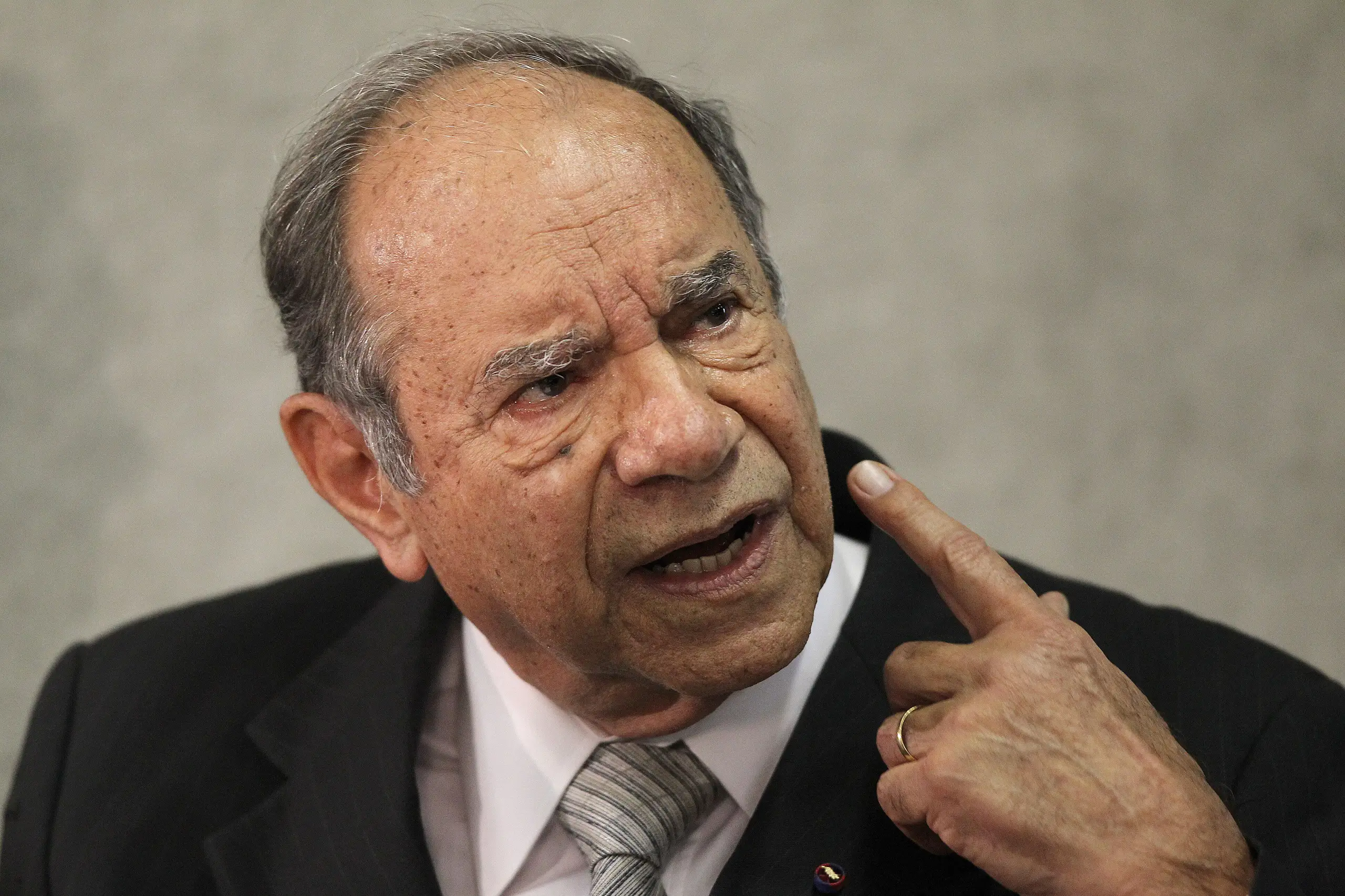
Carlos Brilhante Ustra
 Brazil
Military officer (retired colonel)
Also known as: Colonel Ustra, Carlos Alberto Brilhante Ustra
Birthday
July 28, 1932
Birth Sign
Leo
Birthplace
Santa Maria, Rio Grande do Sul, Brazil
Age
Died at 83
About
Carlos Alberto Brilhante Ustra was a Brazilian Army colonel and intelligence officer who commanded the DOI-CODI political police apparatus in São Paulo from 1970 to 1974, during the harshest years of Brazil's military dictatorship. He is remembered not for celebrity but for notoriety: a 2008 civil court ruling formally recognised him as a torturer, the first such decision against a Brazilian military officer, and Brazil's National Truth Commission named him among those most responsible for human-rights violations. He died on 15 October 2015 in Brasília, aged 83, without ever serving prison time because the 1979 amnesty law shielded dictatorship-era security personnel.
Ustra remains a polarising figure in Brazilian public life. His memoir A Verdade Sufocada became a totemic object for the far right, publicly displayed by Jair Bolsonaro, who dedicated his 2016 impeachment vote to Ustra's memory and in 2019 called him a "national hero." Human-rights groups, survivors and courts reject that framing. His name continues to surface in debates over memory, impunity and the legacy of the dictatorship.
Early Life & Background
Carlos Alberto Brilhante Ustra was born on 28 July 1932 in Santa Maria, a garrison city in Rio Grande do Sul, southern Brazil. His father, Antônio Brilhante Ustra, was a military man, and Carlos grew up in an army household in a region with a strong military tradition. He entered the Academia Militar das Agulhas Negras (AMAN), Brazil's army officer academy in Resende, Rio de Janeiro state, and was commissioned as an officer. His entire professional formation was military; there is no record of a civilian career before or outside the army.
Ustra rose through the ranks over three decades. His pivotal posting came under the government of General Emílio Garrastazu Médici (1969–74), when he was placed in command of the DOI-CODI of the Second Army in São Paulo, the regime's combined intelligence-and-repression unit. He ran it from 1970 to 1974. Survivors and human-rights groups documented systematic torture at the facility under his command, and he is accused in connection with the illegal arrest and torture of roughly 500 activists in the 1970s. Among those held and tortured in the apparatus he commanded was Dilma Rousseff, later president of Brazil. He is also associated with the case of journalist Luiz Eduardo Merlino, killed in 1971, whose family's legal campaign eventually bore on Ustra's conviction. After leaving DOI-CODI he continued his army career, retired as a colonel, and later made a brief, unsuccessful foray into electoral politics.
Career Growth
Ustra's career was defined by his command of the DOI-CODI in São Paulo from 1970 to 1974, during the Médici government's most repressive phase. The unit combined intelligence gathering with political repression, and under his command it became a byword for torture. Survivors described electric shocks, beatings and drownings; the National Truth Commission later documented systematic abuse. Ustra is accused in connection with the illegal arrest and torture of roughly 500 activists, including Dilma Rousseff, who was held and tortured in the apparatus he commanded.
After the dictatorship, Ustra remained an outspoken defender of the regime. He published Romper o Silêncio in 1987, denying that torture had occurred, and later A Verdade Sufocada ("The Suffocated Truth"), which became a totemic object in Brazil's far right. He appeared in the 2014 documentary Em Busca da Verdade, defending his actions on camera. In 2008 a civil court in São Paulo formally recognised him as a torturer, the first time a Brazilian military officer was so recognised; the ruling was upheld on appeal. He was never criminally prosecuted or imprisoned because of the 1979 amnesty law. A later second-instance ruling reported in Brazilian media absolved him in a separate proceeding, illustrating how fragmented the judicial outcomes were.
Career Timeline
Public Image & Style
Ustra's public image is inseparable from his role as commander of the DOI-CODI and his later defence of the dictatorship. He presented himself as a loyal soldier and a victim of left-wing narratives, a stance he maintained in books and interviews. To his supporters, he is a symbol of anti-communism and military order; to his critics, he is the face of state torture and impunity. His memoir A Verdade Sufocada became a totem in far-right circles, and his name is invoked in debates over amnesty and memory. He had no personal social media presence; commentary about him circulates through third parties.
Fame & Fandom (iFAMOUS Rankings)
iFANN has not yet collected fame data for Carlos Brilhante Ustra, so no ranking is available. He is not on the September 2026 iFAMOUS Rankings flagship list. His notoriety is political rather than celebrity-based; there is no fandom name and no organised fanbase. His posthumous "supporters" are political, not a fandom, and no fan campaigns, charity drives or birthday projects are documented. Memorial and commentary content about him circulates via third parties, such as his nephew's Instagram tribute and critical reels by journalists.
Interesting Facts and Legends
Ustra's name became a political flashpoint on 17 April 2016, when Deputy Jair Bolsonaro dedicated his impeachment vote to "the memory of Colonel Ustra, the dread of Dilma Rousseff's guerrillas." The moment was widely replayed and fixed Ustra in the public imagination as the far right's mascot. A story fans of his memory still retell is that he was a "national hero," a claim made by Bolsonaro and supporters in 2019 but disputed by victims, courts and the Truth Commission. Ustra himself propagated the claim that no torture occurred under his command, a denial contradicted by extensive survivor testimony and court findings. He had a nephew who posted a memorial on the anniversary of his death, and critical reels by journalists like Eliane Brum circulate online. His book A Verdade Sufocada remains in print and is often displayed at political rallies.
Family & Personal Life
Ustra was married to Joseita Brilhante Ustra, who survived him. She was received publicly by then-president Jair Bolsonaro in August 2019, when he called Ustra a "national hero." The couple had children, though the names and number are not reliably documented in the sources retrieved. Beyond his marriage, there is no public record of any other romantic relationship, divorce or remarriage; he was married to Joseita until his death. The family name appears in the record through a nephew who posted a memorial on the anniversary of his death.
Notable Connections
Jair Bolsonaro, who lionised him and displayed his book; Joseita Brilhante Ustra, his widow; Dilma Rousseff, tortured under his command; Luiz Eduardo Merlino, journalist whose case underpinned the 2008 ruling; Hamilton Mourão, who praised him in 2020; and human-rights bodies Conectas and the Vladimir Herzog Institute that condemned such praise.
Relationships & Dating History
Ustra married Joseita Brilhante Ustra, who survived him. Beyond that marriage, there is no public record of any other romantic relationship, dating history, divorce or remarriage. He was married to Joseita until his death in 2015. As of 2026, he is deceased, and his widow is understood to remain his surviving spouse, with no public reporting of remarriage.
- MarriedJoseita Brilhante Ustra? - 2015Married until his death in 2015; she survived him.
Death & Aftermath
Died
October 15, 2015 (aged 83)
Death Place
Brasília, Distrito Federal, Brazil
Cause of Death
Multiple organ failure following severe infection
Ustra died in the early hours of 15 October 2015 in a Brasília hospital, aged 83. The reported cause was multiple organ failure following a severe infection, against a background of cancer; the news broke the same day through Agência Brasil, Folha de S.Paulo and the BBC. The Independent's obituary, published two days later, described him as the "de facto head of army intelligence during some of the worst years of Brazil's two-decade military" dictatorship. The funeral was private, held in Brasília, with no publicised details.
Reaction split along the lines his name had drawn for forty years. Human-rights organisations and victims' families marked the death; supporters eulogised him. In August 2019 Jair Bolsonaro received Ustra's widow at the Planalto palace and called the colonel a "national hero," drawing international condemnation. In 2020 the Vladimir Herzog Institute and Conectas publicly condemned Vice-President Hamilton Mourão for praising Ustra. The impeachment-era taunt about torture in 2016 reopened the dictatorship's wounds in national debate, and commentators later framed Bolsonaro's 2025 conviction for attempting a coup as a reckoning with that legacy. Ustra's books, notably A Verdade Sufocada, continued to circulate posthumously.
Net Worth (Estate Value)
He was a retired colonel on a state pension, not a commercial celebrity, and no celebrity-net-worth outlet, finance publication or Google-surfaced estimate exists for him. Reporting a number would be fabrication. The estate's known assets are essentially his pension rights, his books' royalties (notably A Verdade Sufocada, still in print) and personal property; no estate valuation, executor or posthumous licensing deal is publicly documented.
Awards & Accolades
Known For
Commander of DOI-CODI, São Paulo
1970-1974 · Commander
A Verdade Sufocada
2006 · Author
Em Busca da Verdade
2014 · Himself
Keywords
Sources
Quick Facts
- Profession
- Military officer (retired colonel)
- Born
- July 28, 1932
- Birthplace
- Santa Maria, Rio Grande do Sul, Brazil
- Died
- October 15, 2015
- Death Place
- Brasília, Distrito Federal, Brazil
- Gender
- Male
- Spouse
- Joseita Brilhante Ustra
- Birth Sign
- Leo
- Cause of Death
- Multiple organ failure following severe infection
Personal Details
- Full Name
- Carlos Alberto Brilhante Ustra
- Spouse
- Joseita Brilhante Ustra
- Education
- Academia Militar das Agulhas Negras (AMAN)
Filmography
1
Total
1
Film
0
TV
Frequently Asked Questions
Who was Carlos Brilhante Ustra?
Was Ustra ever imprisoned?
What was Ustra's connection to Bolsonaro?
Did Ustra torture Dilma Rousseff?
How did Ustra die?
Join the community
fans discussing