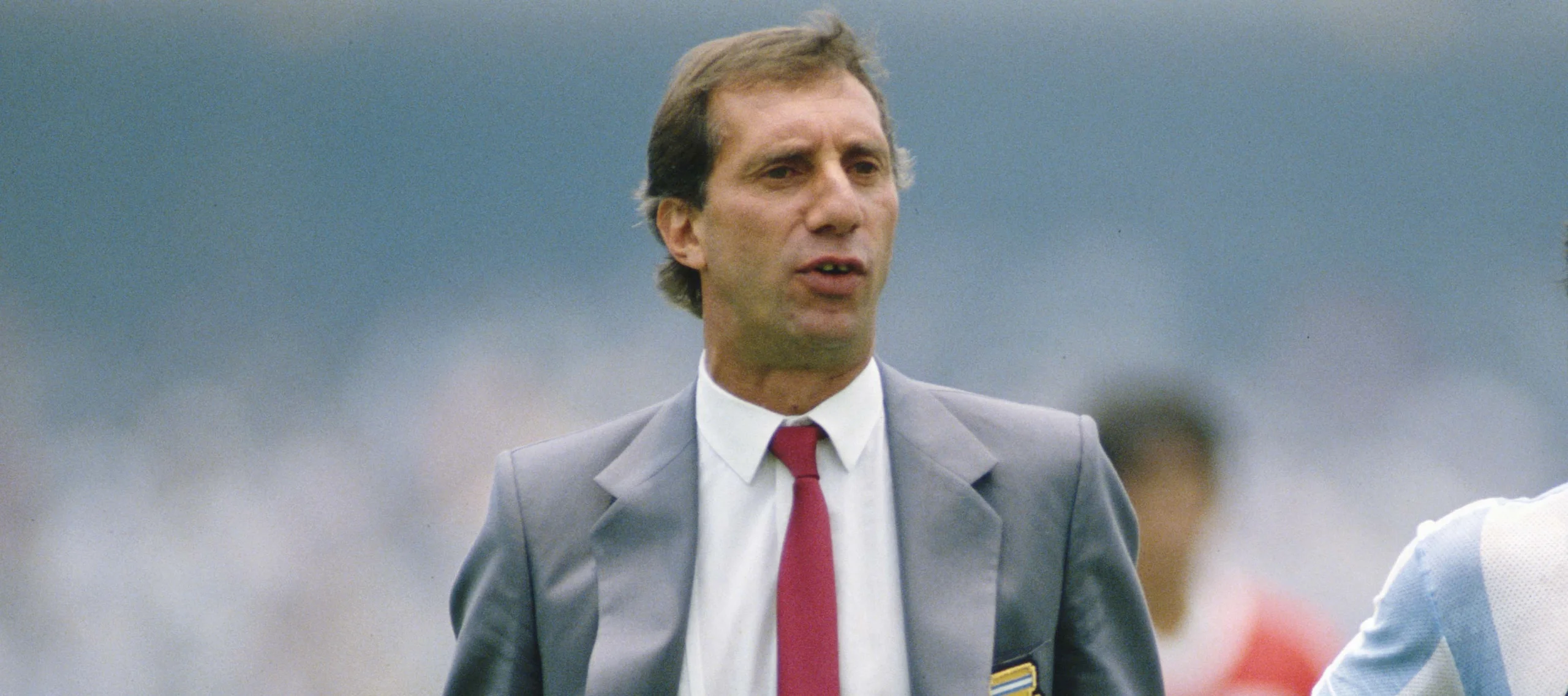
Carlos Bilardo
 Argentina
football manager•physician•former player
Also known as: El Narigón, Don Carlos, Carlos Salvador Bilardo Digiano
Birthday
March 16, 1938
Birth Sign
Pisces
Birthplace
Buenos Aires, Argentina
Age
88 years old
About
Carlos Salvador Bilardo Digiano is an Argentine physician and legendary football manager who revolutionized tactical approaches in the sport. Born in Buenos Aires in 1938, he holds a unique place in history as one of the few individuals to qualify as a medical doctor while simultaneously achieving the pinnacle of coaching success. He led the Argentina national team to victory in the 1986 FIFA World Cup and guided them to the final again in 1990.
Known affectionately as el narigón or "the big-nosed one," Bilardo is celebrated for his intellectual, scientific approach to the game. He successfully implemented the 3–5–2 formation at the highest level during the 1980s, proving that rigid tactical discipline could dominate international play. Even in 2026, at age 87, he remains a respected voice in football commentary and analysis.
Early Life & Background
Born into a working-class family in Buenos Aires, Carlos Salvador Bilardo Digiano developed a dual passion for medicine and soccer from a young age. While many children played street football, Bilardo pursued rigorous academic studies, eventually earning his degree as a gynecologist and obstetrician from the University of Buenos Aires. This medical background became the foundation for his later coaching philosophy, where he treated the team like a patient requiring precise diagnosis and treatment.
His playing career began in the late 1950s with Central Córdoba before he moved to Estudiantes de La Plata in 1960. At Estudiantes, he evolved into a pivotal midfielder known for his tactical intelligence rather than flashy dribbling. The club won multiple titles during his tenure, including the Copa Libertadores in 1968, though Bilardo himself retired from professional play in 1969 to focus on his medical practice and early coaching roles in Argentina's lower leagues.
Before stepping onto the world stage, Bilardo spent the 1970s managing various Argentine clubs, including Huracán and Racing Club. His reputation grew not through celebrity but through strict discipline and innovative training methods derived from his medical knowledge. He viewed player health and fitness as critical components of strategy, a concept that was rare in football at the time. By the early 1980s, his analytical mind had caught the attention of the Argentine Football Association, setting the stage for his historic appointment as national team coach.
Career Growth
The turning point for Bilardo came in 1983 when he was appointed manager of the Argentina national team. He immediately restructured the squad, insisting on a specific tactical system that would define his legacy. In 1986, he led Argentina to win the FIFA World Cup in Mexico. His team, anchored by Diego Maradona, utilized a rigid 3–5–2 formation that neutralized opponents and maximized Maradona's creativity. The tournament featured iconic moments like the "Hand of God" and the "Goal of the Century," both occurring under Bilardo's watchful eye.
Two years later, Bilardo guided Argentina to another World Cup final in Italy in 1990. Although they lost to West Germany, reaching consecutive finals cemented his status as one of the greatest managers in history. After 1990, he continued to manage clubs in Argentina and served as a technical director for the Argentine Football Association. He also transitioned into journalism, offering sharp insights on television and in print.
In the decades following his retirement from active management, Bilardo remained relevant. In 2010, he publicly responded to accusations from Diego Maradona regarding their fallout. More recently, in 2026, he has been cited for his predictions about the Moroccan national team and comparisons between his style and that of current manager Lionel Scaloni. His influence persists in modern tactical manuals that study his use of the 3–5–2 system.
Career Timeline
Public Image & Style
Bilardo projects an image of stern intellect and pragmatic authority. Often depicted in suits or tracksuits with a clipboard, he embodies the antithesis of the flamboyant style associated with César Luis Menotti. His demeanor is serious and commanding, reflecting his belief that football is a science requiring precision rather than just artistry.
Media portrayals emphasize his role as a strategist who valued discipline above individual flair. Even amidst controversies, such as his 2010 dispute with Maradona, he maintains a reputation for honesty and directness. Fans and critics alike view him as a figure of immense respect, whose legacy is built on tangible results rather than personality cults. His distinctive appearance, particularly his large nose, adds to his recognizable presence in football history.
Fame & Fandom (iFAMOUS Rankings)
iFANN has not yet collected fame data for Carlos Bilardo. As of September 2026, he does not appear in the global ranking engine's published lists, though his historical significance ensures he remains a household name in football circles.
There is no formal fandom name for Bilardo, but his supporters generally refer to him as el narigón or "Don Carlos." His fanbase consists largely of Argentine football enthusiasts who celebrate the 1986 World Cup victory and the tactical genius behind it. Fan culture around him focuses on the legacy of the 1986 jersey and the stories of the team he built. Campaigns often highlight his scientific approach to the game, contrasting his methods with more emotional styles of management. His influence is deeply embedded in Argentine football culture, where his name is synonymous with strategic brilliance.
Interesting Facts and Legends
One of the most striking facts about Carlos Bilardo is his dual career as a qualified medical doctor and a World Cup-winning manager. He was one of the few coaches to hold a medical degree, which informed his scientific approach to player fitness and tactics. His nickname el narigón refers to his prominent nose, a feature that became iconic in Argentine culture.
Bilardo is also known for his public feud with Diego Maradona in 2010. Maradona accused him of betrayal after the 1990 World Cup loss, leading to a heated exchange that highlighted the complex relationship between the two icons. Despite this, Bilardo's tactical innovations remain studied by coaches worldwide.
Another notable detail is his prediction about the Moroccan national team in July 2026. His analysis of their potential performance demonstrated that his analytical skills remained sharp decades after his last major tournament. Fans often refer to him as "Don Carlos" out of respect for his enduring legacy in Argentine football.
Notable Quotes
“Damn, he plays well”
“Football is a science, not just an art.”
Family & Personal Life
Carlos Bilardo has maintained a remarkably private personal life throughout his long career. Unlike many celebrities of his stature, there are no widely documented records of marriages, children, or high-profile romantic relationships in media archives up to 2026. Public sources suggest he prioritized his profession over public family life, keeping his home and relatives out of the spotlight.
He lived primarily in Buenos Aires, where he maintained his medical practice alongside his football duties. While details about siblings or parents are scarce in mainstream biographies, his dedication to his work suggests a solitary focus on his craft. The lack of public information on his romantic life distinguishes him from peers who openly discuss their families, reinforcing his image as a man defined entirely by his contributions to medicine and sports.
Notable Connections
Diego Maradona, Lionel Scaloni, César Luis Menotti, Estudiantes de La Plata, Argentina National Team
Relationships & Dating History
Carlos Bilardo has kept his personal life strictly out of the public eye. There are no credible reports of marriages, engagements, or long-term relationships documented in media archives up to 2026. Unlike many athletes and coaches who become tabloid fixtures, Bilardo avoided the spotlight when it came to romance.
Public sources indicate he may be a widower or has lived a solitary life focused entirely on his profession. No children have been publicly confirmed in major biographical sources, distinguishing him from peers who openly discuss their families. His privacy extends to all aspects of his personal life, suggesting he values discretion above all else. As of 2026, there are no reports indicating he is dating or involved with anyone, reinforcing his reputation as a man dedicated solely to his work.
Salary, Net Worth In 2026
$2 Million
iFANN Editorial Team estimate
iFANN currently estimates Carlos Bilardo's net worth at approximately $2 million. This figure reflects his earnings from a long career in medicine, football management, and media commentary. Unlike modern players who accumulate vast wealth through endorsements, Bilardo's income stems from his salary as a manager, fees for his medical practice, and occasional television appearances.
His financial trajectory has been steady but modest compared to today's superstars. Most of his wealth was accumulated during his peak years in the 1980s and 1990s when he managed the national team and top clubs. In 2026, he continues to earn from his role as a pundit and consultant, though his primary focus remains on sharing his expertise rather than expanding his fortune. The lack of major commercial ventures keeps his net worth grounded relative to contemporary football figures.
Awards Won (3)
Carlos Bilardo's career is defined by his unprecedented success as a national team manager. He won the 1986 FIFA World Cup and reached the final in 1990, making him one of only two coaches to lead a team to consecutive World Cup finals. His tactical innovations earned him induction into various football halls of fame and recognition as one of the greatest managers in history.
1986 · Tournament
Argentina National Team
1990 · Tournament
Argentina National Team
Known For
1986 FIFA World Cup
1986 · Head Coach
1990 FIFA World Cup Final
1990 · Head Coach
Estudiantes de La Plata
1960-1969 · Player
Keywords
Sources
Quick Facts
- Profession
- association football player, journalist, physician
- Born
- March 16, 1938
- Birthplace
- Buenos Aires, Argentina
- Gender
- Male
- Birth Sign
- Pisces
Personal Details
- Full Name
- Carlos Salvador Bilardo Digiano
- Children
- Education
- University of Buenos Aires (Medical Degree)
Filmography
12
Total
0
Film
12
TV
Frequently Asked Questions
How old is Carlos Bilardo?
What did Carlos Bilardo do before becoming a manager?
Did Carlos Bilardo ever marry or have children?
Why is Carlos Bilardo called 'el narigón'?
What is Carlos Bilardo's biggest achievement?
Social Media
Similar People
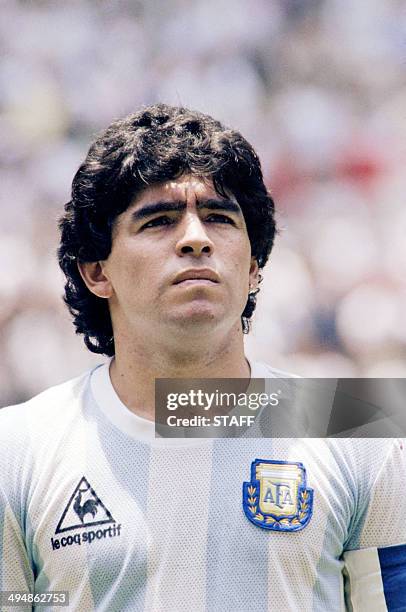
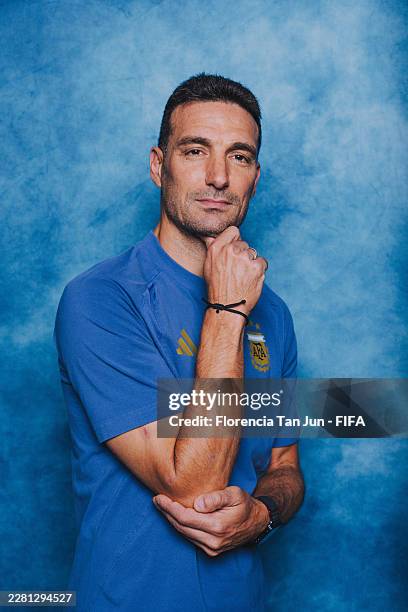
Join the community
fans discussing