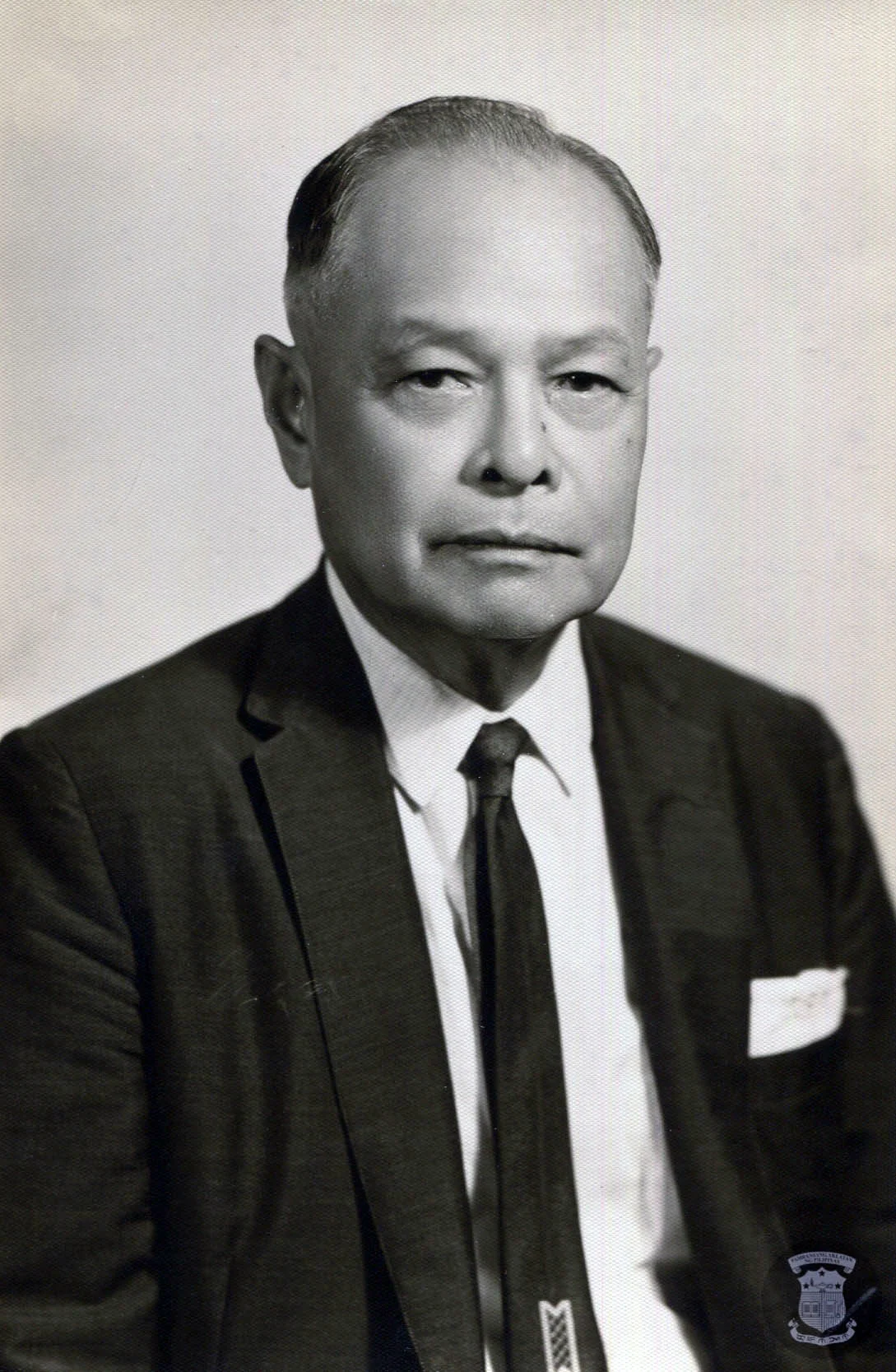
Camilo Osías
 Philippines
educator•lawyer•translator•politician
Birthday
March 23, 1889
Birth Sign
Aries
Birthplace
Balaoan, La Union Province, Luzon, Philippine Islands
Age
Died at 87
About
Camilo Osías y Olaviano was a Filipino educator, lawyer, translator, and politician whose contributions left a lasting mark on the nation's identity and governance. He is best remembered for co-translating the poem "Filipinas" into English, a work that became the basis for the Philippine national anthem, "Lupang Hinirang." Osías also served twice as President of the Senate of the Philippines, though his combined tenure lasted only 26 days, a record that stood as the second-shortest in the country's history.
Beyond his political and literary achievements, Osías was a dedicated educator who rose from classroom teacher to president of the National University. His legacy is honored through the Osias Educational Foundation and Naval Base Camilo Osias, both named in his memory. He passed away on May 20, 1976, in Manila, at the age of 87.
Early Life & Background
Born in the coastal town of Balaoan in La Union Province, Camilo Osías grew up during the final years of Spanish colonial rule and the early American occupation of the Philippines. His intellectual promise earned him a scholarship to Western Illinois State Teachers College, where he graduated in 1908. Returning home, he began his career as a classroom teacher, quickly gaining a reputation for his dedication and ability to inspire students.
Osías's early years in education laid the foundation for his later work as a superintendent and eventually as president of the National University from 1921 to 1922. His passion for learning and his belief in education as a tool for national progress drove him to pursue further studies in law, earning a degree that would open doors to public service.
Career Growth
Osías's political career began in the 1920s when he served as a Resident Commissioner from the Commonwealth of the Philippine Islands to the United States Congress, a role that gave him a platform to advocate for Philippine independence. His legal expertise and eloquence made him a respected figure in Washington and Manila alike.
In 1952 and 1953, he briefly held the office of President of the Senate of the Philippines, serving two terms of 13 days each. Though short, these tenures were notable for their historical significance, as they occurred during a period of political realignment. Osías's most enduring contribution came from his collaboration with American Mary A. Lane in translating the poem "Filipinas" into English, a work that became the lyrics of the Philippine national anthem.
In 1971, a college he had been associated with was converted into the non-stock, non-profit Osias Educational Foundation Inc., ensuring that his commitment to education would continue to serve the public.
Career Timeline
Public Image & Style
Camilo Osías is remembered as a man of intellect and principle, deeply committed to Philippine independence and education. His work on the national anthem has made him a permanent figure in the country's cultural memory. Historians and educators alike cite his brief but impactful political career as a testament to his dedication to public service, even when his time in office was cut short.
Fame & Fandom (iFAMOUS Rankings)
Camilo Osías does not currently hold a placement in iFANN's published rankings. The Global Fame Engine has evaluated his legacy, but as of August 2026, he remains unranked, neither in the Global Top 1,000 nor any Top-100 scope list. This absence is telling: his fame is not the stuff of viral metrics or global search surges, but of quiet institutional memory.
His fanbase has no formal name. There are no fan clubs, no birthday billboards, no streaming pushes, Osías died in 1976, and his audience is not a modern fandom but a constellation of civic and historical institutions. The National Library of the Philippines marks his death anniversary. The Grand Lodge of the Philippines honors him as a past Grand Master. Western Illinois University, where he studied in 1908, lists him as a distinguished alumnus. And Naval Base Camilo Osias, a facility that recently hosted U.S. troops under the Enhanced Defense Cooperation Agreement, carries his name into 21st-century headlines. This is commemoration, not fan culture, but it is a kind of enduring recognition that rankings can't capture.
Interesting Facts and Legends
Osías holds the distinction of being the first classroom teacher to become a senator in the Philippines. His two Senate Presidency terms, each lasting 13 days, are among the shortest in the nation's history, a combined 26 days that made him the benchmark for brief legislative leadership. Naval Base Camilo Osias, named in his honor, has recently been a site for joint U.S.-Philippine military exercises, reflecting his enduring legacy in national defense. He was also known for his intellectual drive, which his contemporaries often remarked upon.
One of the most retold stories from his political career is the sheer brevity of his Senate presidencies, both times he held the gavel, party shifts cut his tenure short within days. The tale has become a recurring reference point in Philippine politics whenever leadership instability strikes, cementing his place as the yardstick for fleeting power. Another layer to his legacy: his American education. He studied at Western Illinois State Teachers College in 1908, and decades later, in 1965, he returned as a distinguished alumnus, a photo of 'Philippines Senator Camilo Osias' appearing in campus news. His trans-Pacific arc, from Illinois student to Philippine senator, is a favorite thread in biographical accounts. A minor quirk: his birth date is sometimes listed as March 23, 1889, and sometimes March 28, 1889, a colonial-era discrepancy that still surfaces in discussions.
Family & Personal Life
Notable Connections
Relationships & Dating History
Death & Aftermath
Died
May 20, 1976 (aged 87)
Death Place
Manila, Philippines
Cause of Death
Natural causes (unconfirmed)
Camilo Osías y Olaviano, a distinguished Filipino educator, lawyer, translator, and politician who served twice as President of the Senate of the Philippines, died on May 20, 1976. He passed away in Manila at the age of 87. There is no indication of any dispute regarding the date or place of his death in the available sources.
The specifics of his funeral or memorial service, including the date, location, notable attendees, performances, or the method of burial versus cremation, are not contained within the provided search results. The handling of his estate is also not reported. Public reaction and tributes are not detailed in the provided search results, as the sources do not mention specific moments of silence, vigils, or immediate statements from peers and officials following his death in 1976.
Posthumously, Camilo Osías has been honored through the dedication of educational and military facilities bearing his name. Camilo Osias University in La Union serves as a primary academic tribute, while the Naval Base Camilo Osias in Sta. Ana, Cagayan, stands as a strategic landmark used in joint military exercises like Balikatan and SALAKNIB. Recent news items from 2023 and 2026 highlight the continued relevance of his name through these defense agreements, but these do not constitute posthumous tributes related to his 1976 passing.
Net Worth (Estate Value)
Information about Camilo Osías's personal net worth is not available, as he passed away in 1976 and his estate was not publicly documented. His legacy is more prominently reflected in the institutions named in his honor, such as the Osias Educational Foundation and Naval Base Camilo Osias, which continue to serve the Philippine public.
Awards & Accolades
View 1 records, honours and achievementsKnown For
Philippine National Anthem translation
1940 · Co-translator
President of the Senate of the Philippines
1952 · Senate President
Keywords
Sources
Quick Facts
- Profession
- educator, lawyer, translator, politician
- Born
- March 23, 1889
- Birthplace
- Balaoan, La Union Province, Luzon, Philippine Islands
- Died
- May 20, 1976
- Death Place
- Manila
- Gender
- Male
- Birth Sign
- Aries
Personal Details
- Full Name
- Camilo Osías y Olaviano
- Education
- Western Illinois State Teachers College, 1908
Frequently Asked Questions
Who was Camilo Osías?
What is Camilo Osías known for?
When did Camilo Osías die?
What is the significance of Naval Base Camilo Osias?
How long was Camilo Osías Senate President?
Join the community
fans discussing