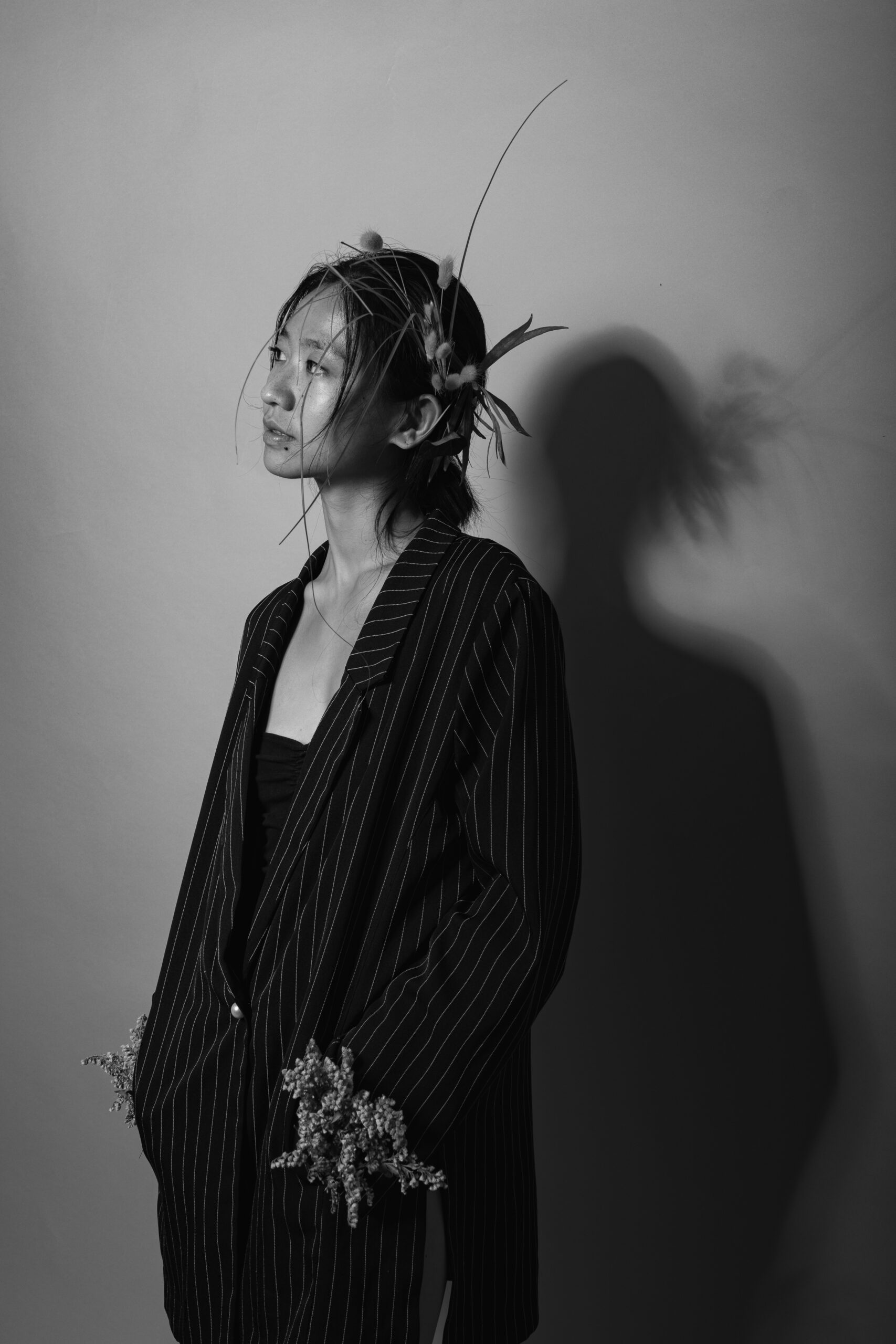
Cai Yun
 China
Chinabadminton player•Olympic champion
Also known as: Cai Yun, 蔡赟
Birthday
January 19, 1980
Birth Sign
Capricorn
Birthplace
Suzhou, Jiangsu, China
Age
46 years old
About
Cai Yun is a retired Chinese badminton player, widely regarded as one of the greatest men's doubles specialists in the sport's history. He is best known for his long partnership with Fu Haifeng, with whom he captured the Olympic gold medal at the 2012 London Games and four BWF World Championship titles. Their combination of power and tactical intelligence made them the team to beat for nearly a decade.
Since retiring from competitive play, Cai has remained deeply involved in badminton. In 2026, he took on the role of Vice Dean at the Coaching Institute of Shanghai University of Sport, where he helps shape the next generation of Chinese players. He also collaborates with former rivals on development projects, showing his commitment to growing the sport beyond national borders.
Early Life & Background
Cai Yun was born on January 19, 1980, in Suzhou, a city in Jiangsu province known for its classical gardens and canals. He started playing badminton as a child, showing early promise with his quick reflexes and sharp court sense. His talent did not go unnoticed, and he was soon recruited into the Jiangsu provincial team, where he honed his skills against older, more experienced players.
By the late 1990s, Cai had earned a spot on the Chinese national team. He initially played singles and mixed doubles, but his coaches saw his potential as a doubles specialist. In 2002, he was paired with Fu Haifeng, a young player with a thunderous smash. The pairing clicked almost immediately, and they began climbing the world rankings. Their first major breakthrough came in 2003 when they won the men's doubles title at the World Championships, announcing themselves as a force to be reckoned with.
Career Growth
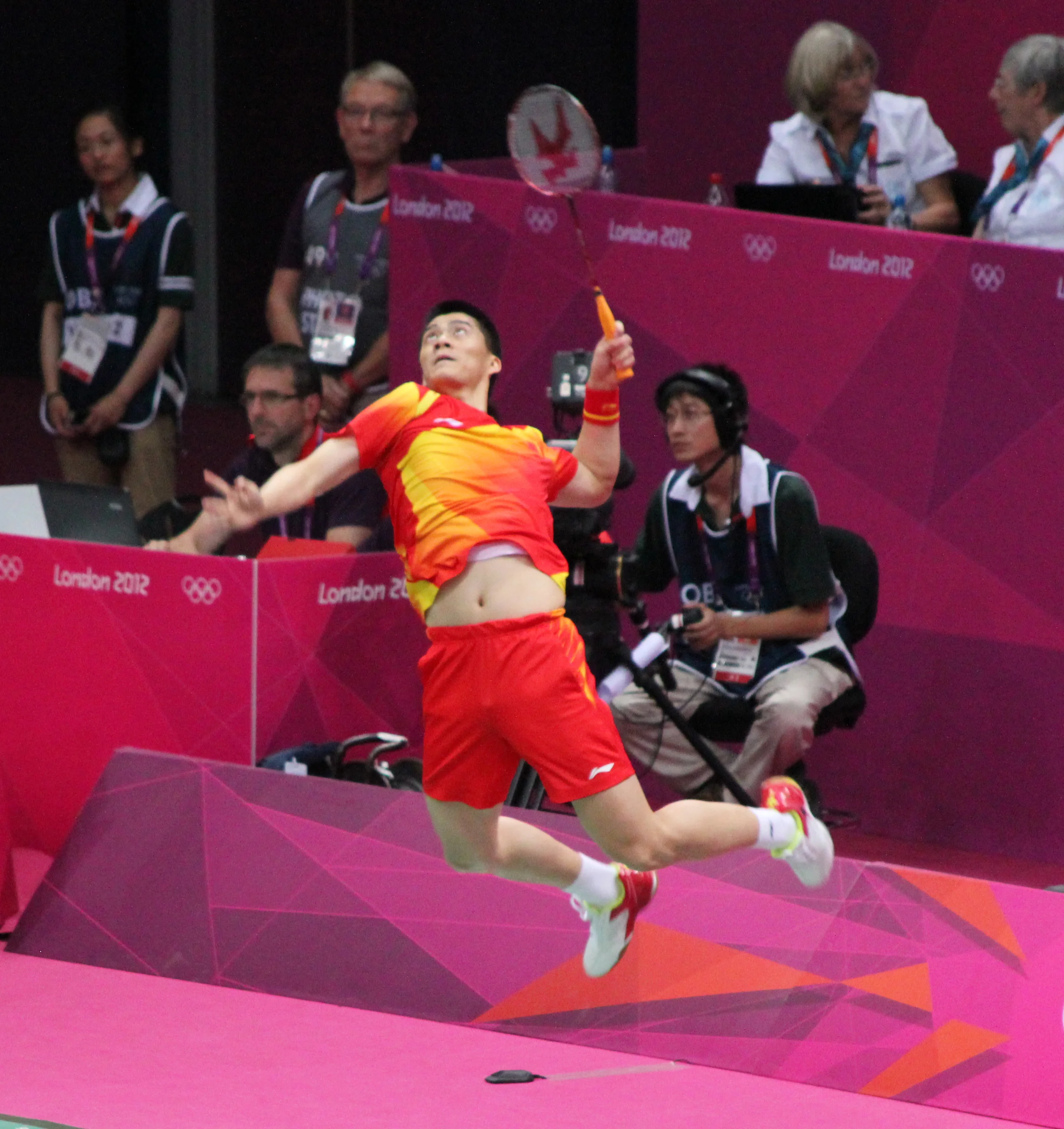
Cai Yun and Fu Haifeng's partnership reached its peak at the 2012 London Olympics, where they defeated Denmark's Mathias Boe and Carsten Mogensen in a nail-biting final to claim the gold medal. That victory completed their collection of major titles, which already included four World Championships (2006, 2009, 2010, 2011). They also won multiple BWF Super Series events, including the prestigious All England Open in 2005 and 2013.
After the 2012 Olympics, Cai continued to compete for a few more years, but injuries and age began to take their toll. He officially retired from international badminton in 2016. Following his retirement, he moved into coaching and administration. In 2026, he was appointed Vice Dean of the Coaching Institute at Shanghai University of Sport, where he oversees the development of future coaches and players. He has also worked on cross-border initiatives, teaming up with former rival Chan Chong Ming of Malaysia to promote the sport's growth in Asia.
Career Timeline
Public Image & Style
Cai Yun's public image is that of a composed, intelligent athlete who let his racket do the talking. Unlike some of his flashier contemporaries, he rarely celebrated with dramatic gestures, preferring a quiet fist pump or a nod to his partner. This understated style earned him respect from purists who admired his tactical approach to the game.
Fans of Chinese badminton remember him as part of the "Cai-Fu" era, a period of dominance that produced some of the most memorable matches in men's doubles history. On social media, he maintains a low-key presence, occasionally posting photos of his coaching work or old match highlights. His Instagram bio simply reads "Former athlete, 2012 Olympic champion," a modest summary for someone with such an impressive resume.
Fame & Fandom (iFAMOUS Rankings)
Cai Yun commands a legacy defined by athletic precision rather than the fervent mobilization typical of modern pop culture. Unlike contemporary idols who cultivate organized fanbases with specific monikers and coordinated streaming campaigns, his reputation rests on the quiet authority of his achievements in badminton. The public remembers him as a cornerstone of the "Cai-Fu" era, a period of dominance marked by tactical brilliance and Olympic gold, yet no formal fandom name or collective ritual has ever been attached to his persona. His audience consists largely of sports enthusiasts and purists who respect his understated demeanor and refusal to engage in theatrical celebrations, preferring instead to honor his contribution to the sport through recognition of his medals. In an era where athletes often leverage social media for viral fame, Cai Yun maintained a professional distance, allowing his performance to speak without the need for fan-driven mythology or street-level adoration. There are no records of fan-funded projects, birthday billboards, or crowds disrupting events in his honor; his influence remains institutional and historical rather than performative. While he maintains a presence on standard athlete platforms, these serve as informational hubs rather than centers for active fan communities. Consequently, the narrative surrounding him is one of verified sporting excellence rather than celebrity folklore. Regarding his standing in global metrics, iFANN has evaluated his profile but determined that he does not currently hold a placement in the published rankings. This absence of a numerical rank reflects the nature of his career, which prioritizes specialized athletic achievement over broad-based celebrity consumption signals.
Interesting Facts and Legends
Cai Yun is known for his calm demeanor on court, which earned him the nickname "The General" among fans. He is an avid collector of badminton rackets from the 1990s, a hobby he picked up during his early years in the sport. He also enjoys playing table tennis as a way to stay active after retirement. A lesser-known fact: Cai appeared in a Chinese television commercial for a sports drink in 2008, which briefly made him a recognizable face beyond the badminton community. He is also a passionate supporter of youth badminton programs in his hometown of Suzhou, often donating equipment to local schools. His most enduring legend is the 2012 London Olympic victory, where he and Fu Haifeng secured the gold medal at Wembley Arena, cementing their status as a dominant pair. This triumph is frequently cited as the pinnacle of men's doubles history, characterized by a blend of power and tactical intelligence that left rivals struggling to respond. Another key moment was their four-time World Championship success, which spanned nearly a decade of consistent dominance. These victories are not merely statistical milestones but represent a sustained era of excellence that redefined the standards for the discipline. Even in retirement, his impact persists through his role in coaching, ensuring that the lessons from his competitive years continue to shape the next generation of players.
Notable Quotes
“The key to our success was trust. Fu Haifeng and I knew each other's next move without saying a word.”
“Winning Olympic gold was a dream come true. All those years of hard work finally paid off.”
“Badminton is a sport of inches. One small mistake can cost you the match.”
“I never played for the fame. I played because I loved the game.”
Family & Personal Life
Cai Yun is married to Wang Na, a former Chinese national team member who competed in women's doubles. The couple met in the early 2000s while training at the national training center in Beijing. They tied the knot in 2008 in a private ceremony attended by close family and teammates. Wang Na has been a constant source of support throughout Cai's career, often traveling with him to major tournaments.
The couple lives in Shanghai, where Cai works at the university. They have kept their family life largely out of the public eye, and details about their children, if any, have not been shared with the media. In interviews, Cai has mentioned that his parents still live in Suzhou and that he tries to visit them during the Chinese New Year.
Notable Connections
Cai Yun is most closely associated with Fu Haifeng, his long-time doubles partner. Together they formed one of the most successful pairs in badminton history. He also had notable rivalries with Malaysian pair Koo Kien Keat and Tan Boon Heong, as well as the Danish duo of Mathias Boe and Carsten Mogensen. In recent years, he has collaborated with former rival Chan Chong Ming on badminton development projects.
Relationships & Dating History
Cai Yun has been married to Wang Na, a former Chinese national team badminton player, since 2008. The couple met in the early 2000s while training at the national center in Beijing. Their relationship was kept private during Cai's playing days, and they married in a quiet ceremony. As of 2026, they remain married and live in Shanghai.
Before his marriage, Cai was linked to a fellow badminton player, but the relationship was never confirmed and fizzled out quickly. He has generally kept his personal life out of the spotlight, focusing on his career and family.
- MarriedWang Na2008 - presentCurrentMet while training at the national center; married in 2008.
Salary, Net Worth In 2026
$5 Million
iFANN Editorial Team estimate
iFANN currently estimates Cai Yun's net worth at $5 million as of 2026. The bulk of his wealth originates from his distinguished playing career, where prize money accumulated from numerous tournaments, including Olympic and World Championship victories, formed the foundation of his financial portfolio. During his active years, he secured endorsement deals with major sports brands and participated in commercial appearances that expanded his earnings beyond the court. Since retiring from competitive play, Cai has transitioned into coaching and administration, securing a steady salary through his position as Vice Dean at Shanghai University of Sport. Additional income streams likely include speaking engagements and badminton clinics, reflecting his continued relevance in the sport. While he is not among the wealthiest retired badminton players, his financial standing accurately reflects a successful career and prudent post-retirement planning.
Awards Won (5)
Cai Yun's trophy cabinet is a testament to his dominance in men's doubles. He won the Olympic gold medal in 2012 and four World Championship titles, making him one of the most decorated players in the discipline. His consistency at the highest level set him apart from his peers.
2012 · Men's Doubles
Badminton at the 2012 Summer Olympics
2011 · Men's Doubles
2011 BWF World Championships
2010 · Men's Doubles
2010 BWF World Championships
2009 · Men's Doubles
2009 BWF World Championships
2006 · Men's Doubles
2006 BWF World Championships
Known For
2012 London Olympics
2012 · Men's doubles gold medalist
BWF World Championships
2006 · Men's doubles champion
BWF World Championships
2009 · Men's doubles champion
BWF World Championships
2010 · Men's doubles champion
BWF World Championships
2011 · Men's doubles champion
Keywords
Sources
Quick Facts
- Profession
- badminton player, Olympic champion
- Born
- January 19, 1980
- Birthplace
- Suzhou, Jiangsu, China
- Gender
- Male
- Spouse
- Wang Na
- Birth Sign
- Capricorn
- Retired
- 2016
Personal Details
- Spouse
- Wang Na
Frequently Asked Questions
How old is Cai Yun?
What is Cai Yun's net worth in 2026?
Is Cai Yun still active in badminton?
Who was Cai Yun's most famous partner?
Where is Cai Yun from?
Social Media
Join the community
fans discussing