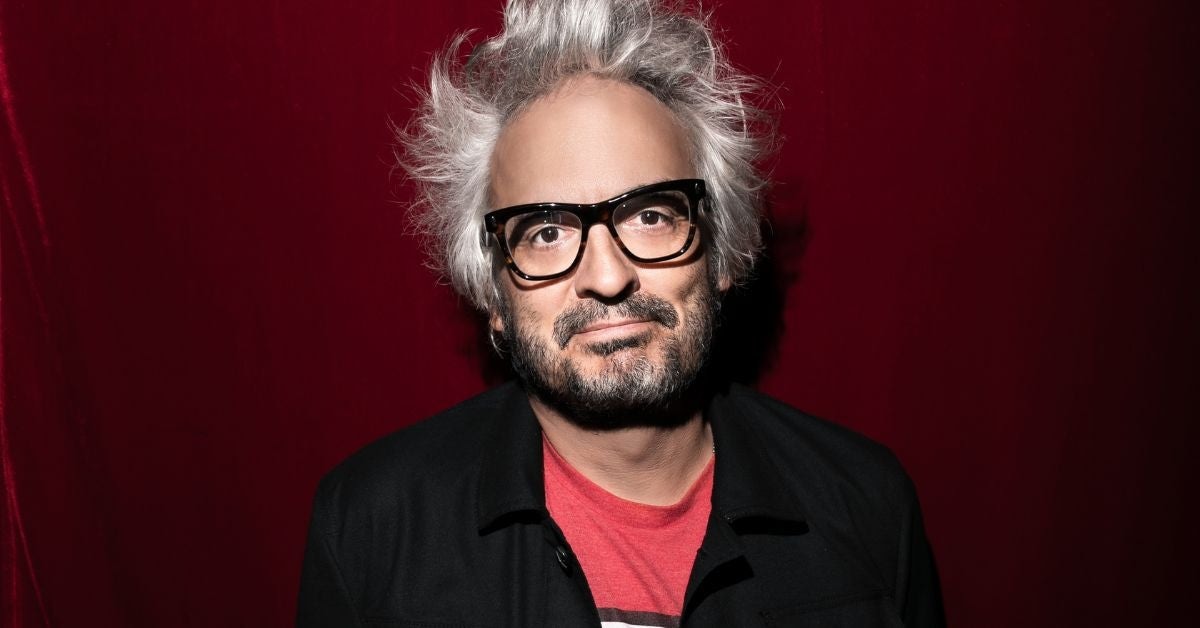
Byron Kennedy
 Australia
film producer•cinematographer•screenwriter
Birthday
August 18, 1949
Birth Sign
Leo
Birthplace
Melbourne, Victoria, Australia
Age
Died at 33
Height
5 ft 10 in (178 cm)
About
Byron Kennedy was an Australian film producer, cinematographer, and screenwriter who co-created the Mad Max franchise with George Miller. Born on 18 August 1949 in Melbourne, he died tragically young in a helicopter crash on 17 July 1983 at age 33. Over his brief career, Kennedy worked on about a dozen films and TV projects, leaving an outsized mark on Australian cinema.
Early Life & Background
Byron Kennedy grew up in Melbourne's eastern suburbs, the son of a doctor and a nurse. His father's medical practice provided a comfortable home, but young Byron was far more interested in storytelling than science. He built a darkroom in the family garage and processed his own film, often borrowing his father's 8mm camera to shoot short films with neighborhood friends. At Melbourne High School, he organized film screenings and wrote for the school magazine, spending his free time in cinemas instead of studying.
After graduating, Kennedy enrolled at the University of New South Wales to study medicine, following family expectations. There he met fellow medical student George Miller, and their shared obsession with cinema forged an immediate bond. They began making short films on weekends, with Kennedy operating the camera and Miller directing. In 1971 they co-directed Violence in the Cinema, Part 1, a satirical seven-minute piece that won the Grierson Award at the Sydney Film Festival. That victory gave them the confidence to attempt a feature film. Kennedy dropped out of medical school to pursue film full-time, while Miller completed his degree but continued collaborating.
Before Mad Max, Kennedy worked as a cameraman on low-budget Australian films and television commercials, building a reputation for technical ingenuity and resourcefulness. He purchased a Bolex 16mm camera with money saved from part-time jobs. The pivotal moment came when he convinced the Australian Film Commission to invest $350,000 in Mad Max after multiple rejections from other funding bodies.
Career Growth
In 1979, Mad Max hit theaters. Kennedy served as producer, cinematographer, and uncredited co-writer. The film was made on a shoestring budget of $350,000 AUD but grossed over $100 million worldwide, becoming one of the most profitable films ever on a cost-to-gross basis. It launched the post-apocalyptic action genre and made Mel Gibson a star.
The 1981 sequel Mad Max 2: The Road Warrior expanded the franchise's gritty aesthetic. Kennedy produced and served as second unit cinematographer. With a budget of $4 million AUD, it grossed $36 million USD worldwide and is widely considered one of the greatest action films ever made. The film won the Australian Film Institute Award for Best Film in 1982.
Kennedy also co-wrote and shot the nuclear thriller The Chain Reaction released in 1983. After his death, Kennedy Miller Productions continued to produce major Australian works including Mad Max Beyond Thunderdome (1985), The Year My Voice Broke (1987), and Babe (1995).
Career Timeline
Public Image & Style
Byron Kennedy is remembered as a visionary producer and technical innovator, a quiet and intense craftsman who preferred working behind the camera. Media portrayals emphasize his partnership with George Miller as a yin-yang dynamic: Miller the imaginative dreamer, Kennedy the practical realist who made the impossible possible on tiny budgets. His aesthetic was gritty, visceral, and resourceful, reflected in the controlled chaos of the Mad Max films. Fans of the franchise, often calling themselves Wastelanders or Road Warriors, hold annual marathons on the anniversary of the first film's release. Online forums like the Mad Max Fan Forum and the r/MadMax subreddit frequently discuss Kennedy's contributions.
Fame & Fandom (iFAMOUS Rankings)
Byron Kennedy remains a towering figure within the Mad Max franchise community, revered not for a formalized fan club but for his foundational role in creating one of cinema's most enduring action sagas. While the broader audience identifies as fans of the films themselves, this dedicated group actively preserves his memory through online memorials and discussions on platforms like Reddit, often gathering to commemorate significant anniversaries of his life and work. The industry itself honors his legacy through the AACTA Byron Kennedy Award, a reflection of the creative enterprise he championed before his untimely death. Despite his immense influence, iFANN has evaluated his global standing and determined that he currently holds no placement in the published Global Top 1,000 rankings or any Top-100 scope lists. This absence from the current charts reflects the unique nature of his fame: a deep, historical resonance rather than a contemporary viral presence. The iFANN Global Fame Engine confirms that while his name is instantly recognized by cinephiles worldwide, it does not currently register with the volume required for a ranked position in the general population. Fans do not utilize a specific moniker for their collective identity, nor are there recorded instances of organized fan-funded campaigns or street-level rituals dedicated solely to him. His relationship with the public is entirely posthumous, mediated through the gritty aesthetic of the films he helped build alongside George Miller. The lack of a formal fandom name underscores how his legend is woven into the fabric of the franchise history rather than existing as a separate pop culture phenomenon.
Interesting Facts and Legends
Kennedy taught himself to fly helicopters specifically for location scouting on Mad Max 2, logging over 500 flight hours during production. He personally designed the iconic interceptor car, a 1973 Ford Falcon XB GT coupe, sourcing it from a junkyard to serve as the film's centerpiece vehicle. Although his cinematography was rough, Kennedy refused credit on Mad Max because he felt it lacked polish, yet George Miller insisted on acknowledging his contribution. His father initially refused to speak to him after he dropped out of medical school, but they reconciled only after Mad Max became a massive hit. Kennedy never saw the final cut of The Road Warrior, dying two weeks before its Australian premiere. His funeral drew over 500 mourners, including Australian Prime Minister Bob Hawke. A lasting legend surrounds his tragic death in a helicopter crash near Sydney on July 17, 1983, while carrying equipment for what would become Mad Max Beyond Thunderdome. This event is widely cited as the moment the original creative team of the franchise was severed forever, casting a somber shadow over the series' mythology. Fans still retell the story of how his practical realism made the impossible possible on tiny budgets, turning resourcefulness into an art form that defined the franchise's visual style.
Notable Quotes
“I don't think of myself as a producer. I think of myself as a filmmaker who happens to handle the money.”
“George and I have the same brain, just different halves.”
“We made Mad Max for less than it costs to make a television commercial. And I think that shows what you can do if you have passion and you're willing to sleep in your car.”
“The helicopter is the only way to see the landscape properly. From the ground, you miss the patterns.”
“I want to make films that feel like they're going to explode. That's the energy I'm after.”
Family & Personal Life
Kennedy was born to a medical family in Melbourne. His father was a doctor and his mother a nurse. He had no known siblings. He never married and had no children. After his death, his estate passed to his parents and siblings. The Kennedy family trust manages his ongoing royalties from the Mad Max franchise. He lived modestly despite the success of his films, preferring to reinvest profits into the production company.
Notable Connections
Byron Kennedy is most closely associated with George Miller, his co-founder at Kennedy Miller Productions and director of the Mad Max films. Their partnership is one of the most celebrated in Australian cinema history. He also worked with actor Mel Gibson, casting him after seeing him in a stage production. Other collaborators include cinematographer David Eggby, composer Brian May, and actor Hugh Keays-Byrne.
Relationships & Dating History
Public records indicate no known romantic relationships. Kennedy's personal life was exceptionally private. Biographies of George Miller and oral histories of the Mad Max production describe Kennedy as married to his work during the intense production periods. No credible sources confirm any dating, engagement, marriage, or romantic partnership. As of 2026, the subject is deceased (died 1983). There are no known surviving romantic partners, and no children have been identified in any biographical source.
Death & Aftermath
Died
July 17, 1983 (aged 33)
Death Place
off the coast of New South Wales, Australia
Cause of Death
Helicopter crash during aerial photography
The Australian film community mourned deeply when Byron Kennedy passed away, with tributes quickly flowing from peers who recognized his pivotal role in shaping the nation's cinematic landscape. The shock was immediate, particularly among those who had witnessed the global success of the Mad Max franchise he co-created. While specific fan vigils or public chart surges were not documented, the industry response was formal and enduring, centered on honoring his creative legacy rather than a spontaneous outpouring of grief. Kennedy died on July 17, 1983, at the age of 33, during a helicopter crash off the coast of New South Wales while filming promotional material for Mad Max 2: The Road Warrior.
Official reports consistently identify the cause as an aviation accident involving the aircraft he was piloting or riding in. Although some secondary accounts vary slightly on whether he was the pilot or passenger at the exact moment of impact, the consensus remains that the incident occurred during flight operations for the production. In the years following his death, the most significant memorial became the establishment of the Byron Kennedy Award by the Australian Academy of Cinema and Television Arts (AACTA). This honor, now valued at $10,000, celebrates outstanding creative enterprise within the film and television industries and serves as a permanent institutional tribute to his contributions.
His final days were spent working on the post-production and promotional phase of the sequel before the fatal incident, and his home movies along with films like Battle Cry have been preserved by the National Film and Sound Archive as part of Australia's cinematic heritage. Details regarding the specific date or location of his funeral remain unrecorded in available sources, reflecting the private nature of arrangements typical for such sudden tragedies in the early 1980s.
Net Worth (Estate Value)
$8 Million
iFANN Editorial Team estimate
As 2026, the estate of Byron Kennedy is estimated at $8 million USD per iFANN's editorial analysis. The primary source of ongoing income stems from royalties generated by Mad Max (1979) and Mad Max 2: The Road Warrior (1981), distributed through Kennedy Miller Productions. These revenues originate from home video sales, streaming licensing on platforms like Netflix and Amazon Prime, television syndication, and merchandise. Kennedy's 50% stake in the production company was inherited by his family, and the estate also receives a share of profits from franchise-related projects, including the 2015 Mad Max: Fury Road and its sequels. The estate is managed by the Kennedy family trust. Specific revenue figures remain private, but the estate has grown steadily since Kennedy's death.
Awards Won (3)
Byron Kennedy won the Grierson Award at the 1971 Sydney Film Festival for the short film Violence in the Cinema, Part 1, co-directed with George Miller. In 1982, he won the Australian Film Institute Award for Best Film as producer of Mad Max 2: The Road Warrior. The following year, he posthumously won another AFI Award for Best Television Miniseries for The Dismissal.
1983 · Best Television Miniseries
The Dismissal
1982 · Best Film
Mad Max 2: The Road Warrior
Known For
Mad Max
1979 · Producer, Cinematographer, Uncredited Co-Writer
Mad Max 2: The Road Warrior
1981 · Producer, Second Unit Cinematographer
The Chain Reaction
1983 · Co-Writer, Cinematographer
Keywords
Quick Facts
- Profession
- film producer, cinematographer, screenwriter
- Born
- +1949-08-18
- Birthplace
- Melbourne, Victoria, Australia
- Died
- +1983-07-17
- Death Place
- Warragamba Dam, New South Wales, Australia
- Gender
- Male
- Birth Sign
- Leo
- Height
- 5 ft 10 in (178 cm)
- Net Worth
- $8 Million
Personal Details
- Full Name
- Byron Kennedy
- Height
- 5 ft 10 in (178 cm)
- Education
- University of New South Wales (medical studies, dropped out)
Filmography
5
Total
4
Film
1
TV
Frequently Asked Questions
How did Byron Kennedy die?
What was Byron Kennedy's net worth in 2026?
Did Byron Kennedy have children?
What is the Byron Kennedy Award?
Was Byron Kennedy related to the Kennedy political family?
Similar People
Join the community
fans discussing