British Broadcasting Corporation
 United Kingdom
"Nation shall speak peace unto nation"
About
On October 18, 1922, a consortium of radio manufacturers led by John Reith gathered in London to form the British Broadcasting Company. Six years later it became a public corporation under Royal Charter, with Reith as its first Director-General and a mission to inform, educate, and entertain. That founding ethos still shapes every programme broadcast today.
The BBC operates eight national TV channels including BBC One, BBC Two, BBC News, and CBBC, alongside more than 50 radio stations from BBC Radio 1 to BBC Radio 4 and the World Service in over 40 languages. Its iPlayer streaming service and BBC Sounds app have become central to digital distribution, while BBC Studios produces global hits like Planet Earth, Doctor Who, and Strictly Come Dancing. The BBC News website remains one of the most visited news sites globally.
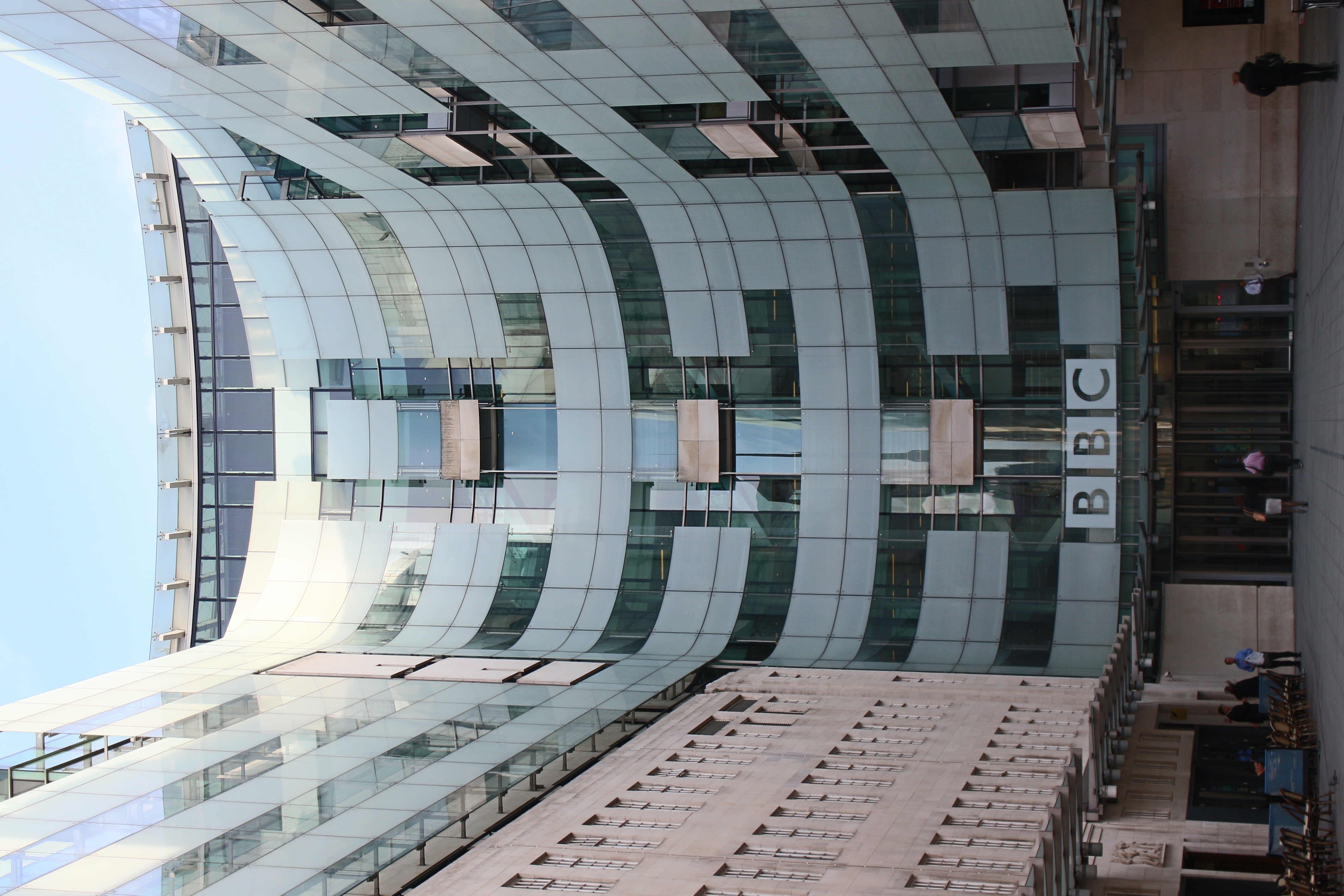
Funding comes from an annual licence fee paid by UK households, currently £169.50 for colour TV, generating £5.3 billion in revenue for 2023/2024. The BBC is non-profit and has no market capitalisation, but Brand Finance estimated its brand value at $10.7 billion in 2024. Headquarters are at Broadcasting House in London, with major centres in Salford, Glasgow, Cardiff, and Belfast, plus 41 international bureaux.
Recent challenges include the 2023 scandal over presenter Huw Edwards, a government review of the licence fee model that could see it replaced by 2027, and a strategic shift toward digital-first content with £500 million in planned annual savings. In 2025 the BBC launched AI-driven personalisation and expanded World Service languages into Amharic and Korean.
Products & Sub-brands
Frequently Asked Questions
Who owns the BBC?
Who is the CEO of the BBC?
How much is the BBC worth?
BBC vs Sky News: which is more trusted?
Is the BBC still in business?
Keywords
Company Info
- Founded
- 1922-10-18
- Founder
- John Reith, 1st Baron Reith, George Villiers, 6th Earl of Clarendon
- CEO
- Tim Davie
- Headquarters
- London, Broadcasting House
- Industry
- journalism, broadcasting, media industry
- Revenue
- 5300000000
- Employees
- 21000
Official Website
bbc.com
Join the community
fans discussing