 Brazil
About
Every four years, Brazil's yellow jersey becomes the most recognizable shirt in world football. Behind that jersey stands the Brazilian Football Confederation (CBF), the non-profit organization that has governed the sport in Brazil since 1914. It oversees the men's and women's national teams, runs the Campeonato Brasileiro Série A and the Copa do Brasil, and coordinates football development across all 26 states and the Federal District. With an annual revenue exceeding R$1 billion, the CBF is one of the wealthiest football associations globally.
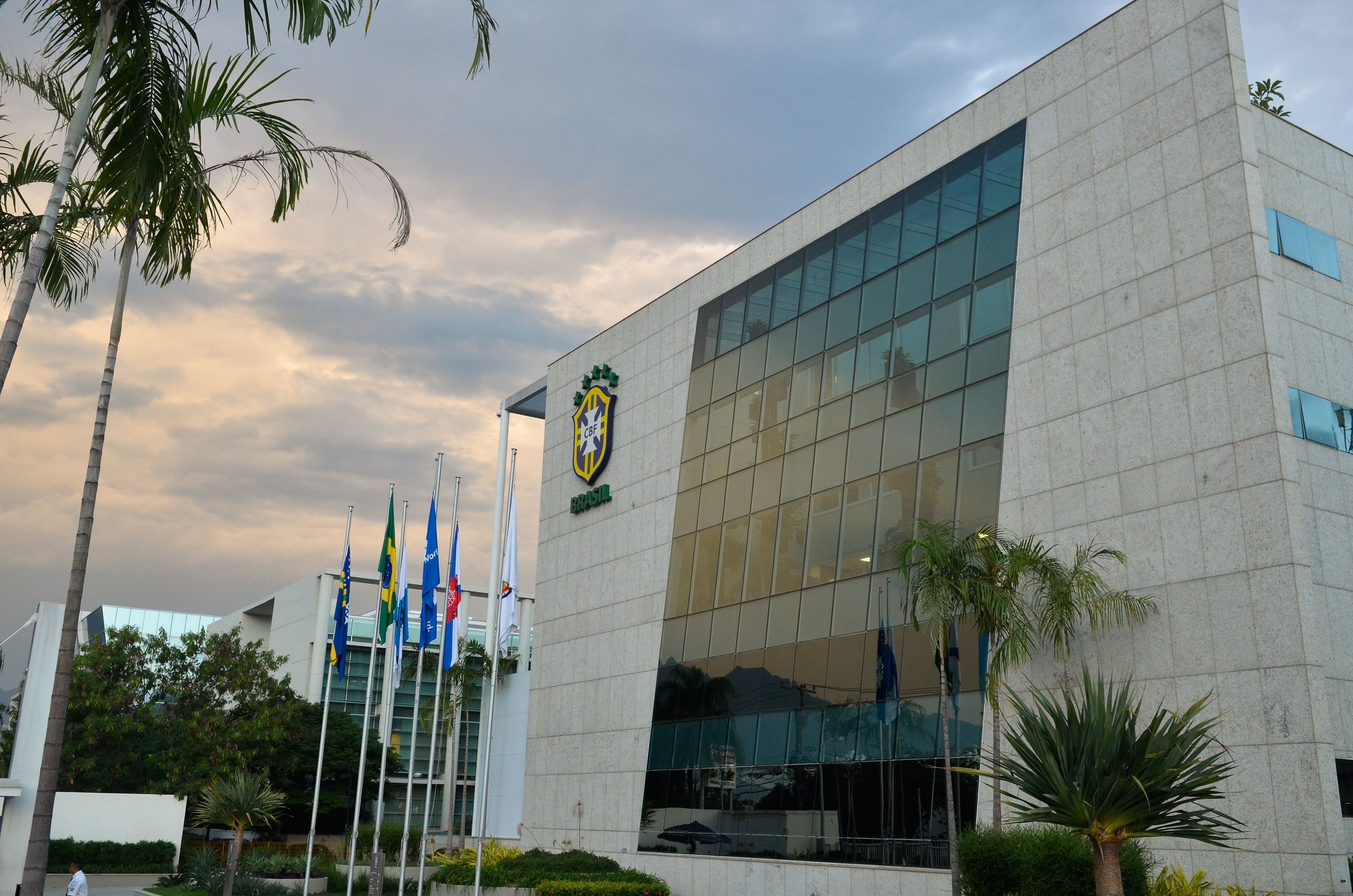
The confederation traces its roots to August 20, 1914, when representatives from the state leagues of Rio de Janeiro, São Paulo, and others founded the Federação Brasileira de Sports (FBS). Two years later, it was renamed the Confederação Brasileira de Desportos (CBD), a body that also governed athletics, swimming, and basketball. Football grew so dominant that in 1979 the organization split, creating the CBF as a dedicated football federation. Its headquarters sit in Barra da Tijuca, a beachside neighborhood in Rio de Janeiro.
The CBF has produced five World Cup-winning men's teams (1958, 1962, 1970, 1994, 2002) and the women's team has finished runner-up in the World Cup twice (2007, 2019). The organization also runs youth competitions, the CBF Academy for coach education, and social programs like Futebol Cidadão, which uses the sport for community development. Despite corruption scandals that tainted the 2010s, the CBF remains the central engine of Brazilian football.
Mission
The CBF exists to organize, regulate, and promote football in Brazil. It sets rules for domestic competitions, manages the national teams, and fosters the sport from grassroots to professional level. The confederation aims to develop players, coaches, and referees through programs like the CBF Academy, while ensuring Brazil remains competitive internationally. It also works to spread football as a tool for social inclusion, particularly through initiatives targeting underserved communities.
History
On August 20, 1914, representatives from the state football leagues of Rio de Janeiro, São Paulo, and others gathered to form the Federação Brasileira de Sports (FBS). Arnaldo Guinle became the first president. In 1916, the organization was renamed the Confederação Brasileira de Desportos (CBD), taking on responsibility for multiple sports. The CBD sent Brazil's first official national team to the 1916 South American Championship, finishing third.
Football grew rapidly, and the CBD organized the first national club competition, the Taça Brasil, in 1959. Brazil hosted the World Cup for the first time in 1950, building the Maracanã stadium. The crowning moment came in 1958, when a 17-year-old Pelé led Brazil to its first World Cup victory in Sweden. Two more titles followed in 1962 and 1970, cementing Brazil as a global football powerhouse. By then, football had outgrown the CBD's multi-sport structure, and in 1979 the CBF was created as a separate entity dedicated solely to football.
The 1990s and 2000s brought further World Cup triumphs in 1994 and 2002, along with the restructuring of the Campeonato Brasileiro into a league format in 2003. The CBF hosted the 2014 World Cup, a tournament marked by Brazil's 7-1 semifinal loss to Germany. The 2010s also saw corruption scandals that led to FIFA bans for former presidents Ricardo Teixeira and Marco Polo Del Nero. Rogério Caboclo took over in 2019 and launched modernization plans, including a focus on women's football and digital engagement.
Subdivisions
Technical Department
Oversees national teams, coaching staff, and player development.
Competition Department
Manages domestic leagues and cups, including Série A and Copa do Brasil.
Women's Football Department
Dedicated to promoting and organizing women's football at all levels.
CBF Academy
Focuses on coach education, youth development, and technical courses.
Medical Department
Provides medical support and protocols for national teams and competitions.
Referee Commission
Trains, evaluates, and assigns referees for CBF-organized matches.
Notable People
Pelé
Player · 1957–1971
Won three World Cups (1958, 1962, 1970) with Brazil, widely regarded as one of the greatest footballers of all time.
Marta
Player · 2002–present
Six-time FIFA World Player of the Year, leading scorer in World Cup history (men's or women's), and two-time World Cup runner-up.
João Havelange
President · 1958–1975
Oversaw Brazil's rise as a football power, later served as FIFA president from 1974 to 1998.
Mário Zagallo
Coach · 1970
Coached Brazil to the 1970 World Cup title, the only person to win the World Cup as both player and coach.
Tite
Coach · 2016–2022
Led Brazil to the 2019 Copa América title and a first-place FIFA ranking for several years.
Milestones
1914
Founded as Federação Brasileira de Sports (FBS).
1916
Renamed Confederação Brasileira de Desportos (CBD).
1950
Brazil hosts the FIFA World Cup for the first time.
1958
Brazil wins its first World Cup in Sweden.
1970
Third World Cup victory, in Mexico, with a team often called the greatest ever.
1979
Creation of the CBF as a separate football-only entity.
1994
Fourth World Cup win, in the United States.
2002
Fifth World Cup win, in Korea/Japan.
2014
Brazil hosts the World Cup again; reaches semifinals.
2019
Rogério Caboclo elected president; launches anti-racism initiatives and strategic plan.
Organization Info
- Founded
- +1914-08-20
- Headquarters
- Barra da Tijuca
- Country
- Brazil
- Chairman
- Rogério Caboclo
- Parent
- CONMEBOL
- Type
- Other
Official Website
www.cbf.com.br
Join the community
fans discussing