 Germany
About
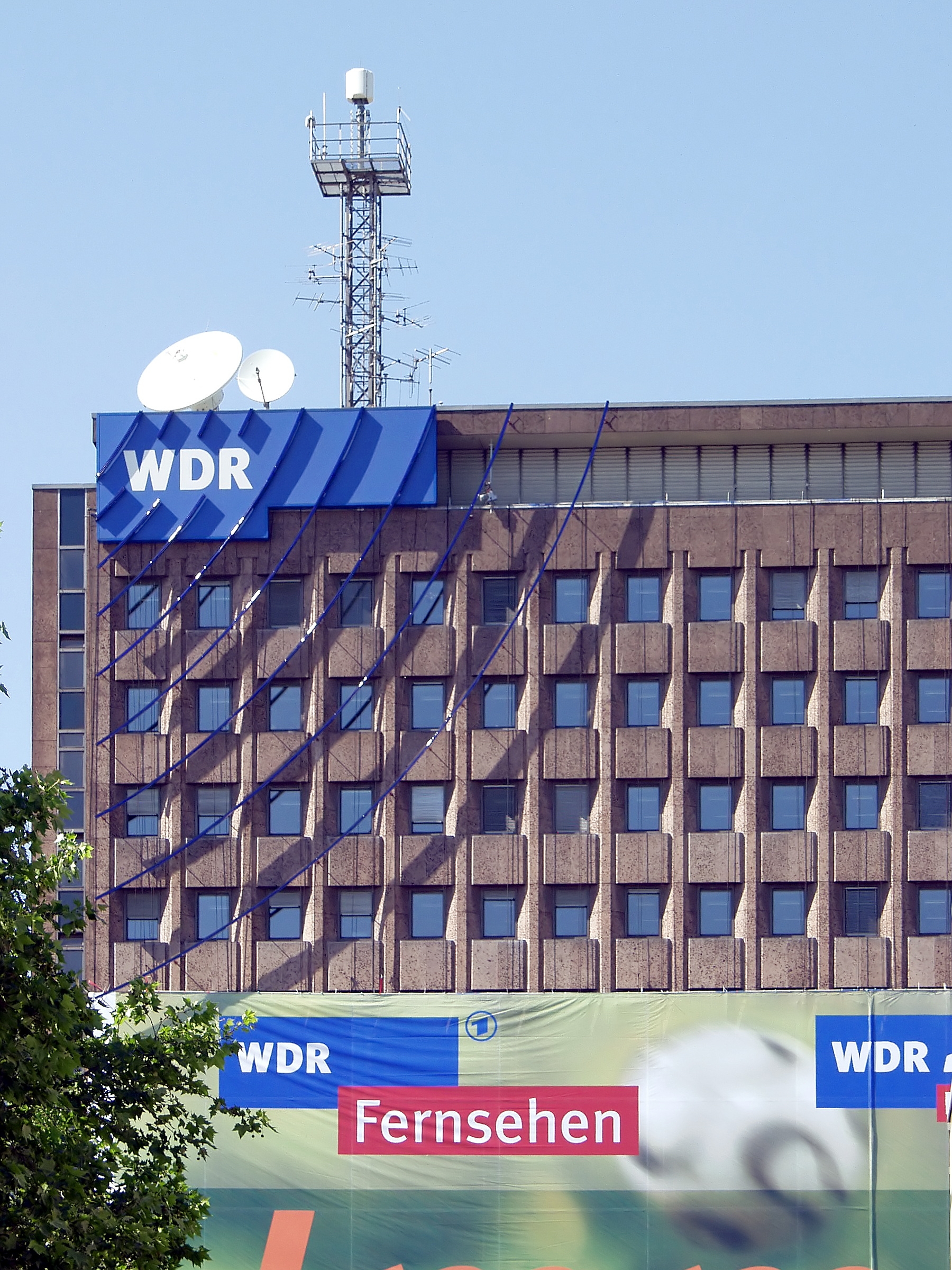
Westdeutscher Rundfunk, commonly known as WDR, stands as one of the largest public broadcasting institutions in Germany. Established on January 1, 1956, the organization emerged from the dissolution of the Nordwestdeutscher Rundfunk (NWDR) to serve the state of North Rhine-Westphalia. It operates as an independent legal entity under public law and functions as a core member of the ARD consortium, which coordinates public television and radio across the nation.
The broadcaster reaches over 18 million people through a diverse portfolio of seven radio stations and multiple television channels. Its programming spans youth music with 1LIVE, general interest content on WDR 2, classical culture via WDR 3, and specialized knowledge shows on WDR 5. The children's series Die Sendung mit der Maus remains a cultural touchstone since its debut in 1971, featuring the recognizable orange mouse mascot that has become synonymous with German educational media.
Financial operations rely on the mandatory broadcasting fee rather than commercial advertising revenue. Tom Buhrow has served as Director-General since 2013, guiding the station through digital expansion and maintaining editorial independence. Recent years have seen the organization navigate budget constraints while continuing to produce high-quality journalism and entertainment for the Cologne region and beyond.
Products & Sub-brands
Frequently Asked Questions
What does WDR stand for?
Who owns WDR?
Is WDR still in business?
Who is the CEO of WDR?
What is the most popular WDR program?
Keywords
Sources
Company Info
- Founded
- January 1, 1956
- CEO
- Tom Buhrow
- Headquarters
- Cologne
- Industry
- Broadcasting, Media
- Parent Company
- ARD Consortium
- Director-General
- Tom Buhrow
- Consortium
- ARD
- Broadcasting Fee
- €18.36 per month
- Region Served
- North Rhine-Westphalia
Official Website
www.wdr.de/
Join the community
fans discussing