
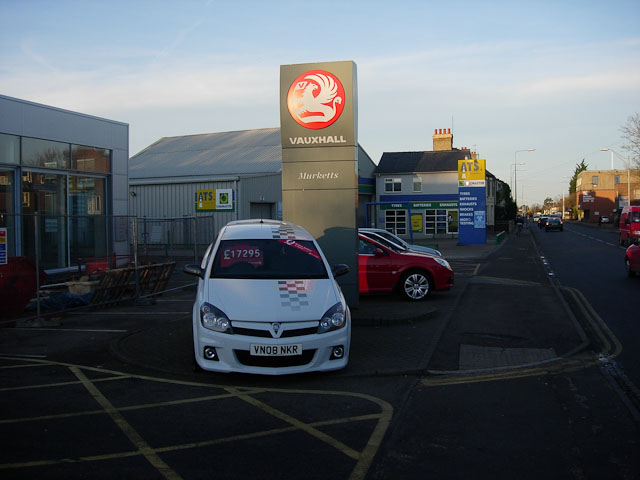
Vauxhall
 United Kingdom
"The Griffin of Britain"
About
Alexander Wilson launched a small steam pump business in Luton in 1857, setting the stage for what would become one of the United Kingdom's most recognizable automotive names. The company spent decades building marine engines before pivoting to vehicle manufacturing in 1903. A major shift occurred in 1925 when General Motors acquired the firm, embedding Vauxhall into a global network while preserving its distinct British character for nearly a century.
The brand has weathered massive industry changes, from the rise of mass-market family cars like the Cavalier and Astra to the current push toward electrification. Following GM's exit from Europe in 2017, ownership passed to Groupe PSA, which later merged with Fiat Chrysler to form Stellantis in 2021. This transition brought new strategies but also tough decisions, including the closure of the historic Luton plant in April 2025 to retool for electric production.
Today, Vauxhall operates from Chalton in Luton, serving as the UK's primary hub under the Stellantis umbrella. While it shares platforms with German sister brand Opel, the marque tailors every model specifically for British roads and buyers. Recent developments include the unveiling of the STX concept car at the 2026 Paris Motor Show and a refreshed logo that strips away the flag motif to signal a modern, electric-focused future.
Products & Sub-brands
Frequently Asked Questions
Who owns Vauxhall now?
Is Vauxhall still in business?
What is the difference between Vauxhall and Opel?
Where is Vauxhall headquartered?
Does Vauxhall make electric cars?
Keywords
Sources
Company Info
- Founded
- 1857
- Founder
- Alexander Wilson
- Headquarters
- Luton, Chalton, England
- Industry
- Automotive Manufacturing
- Parent Company
- Stellantis
- Key Plant Closure
- April 2025 (Luton)
Official Website
www.vauxhall.co.uk/
Join the community
fans discussing