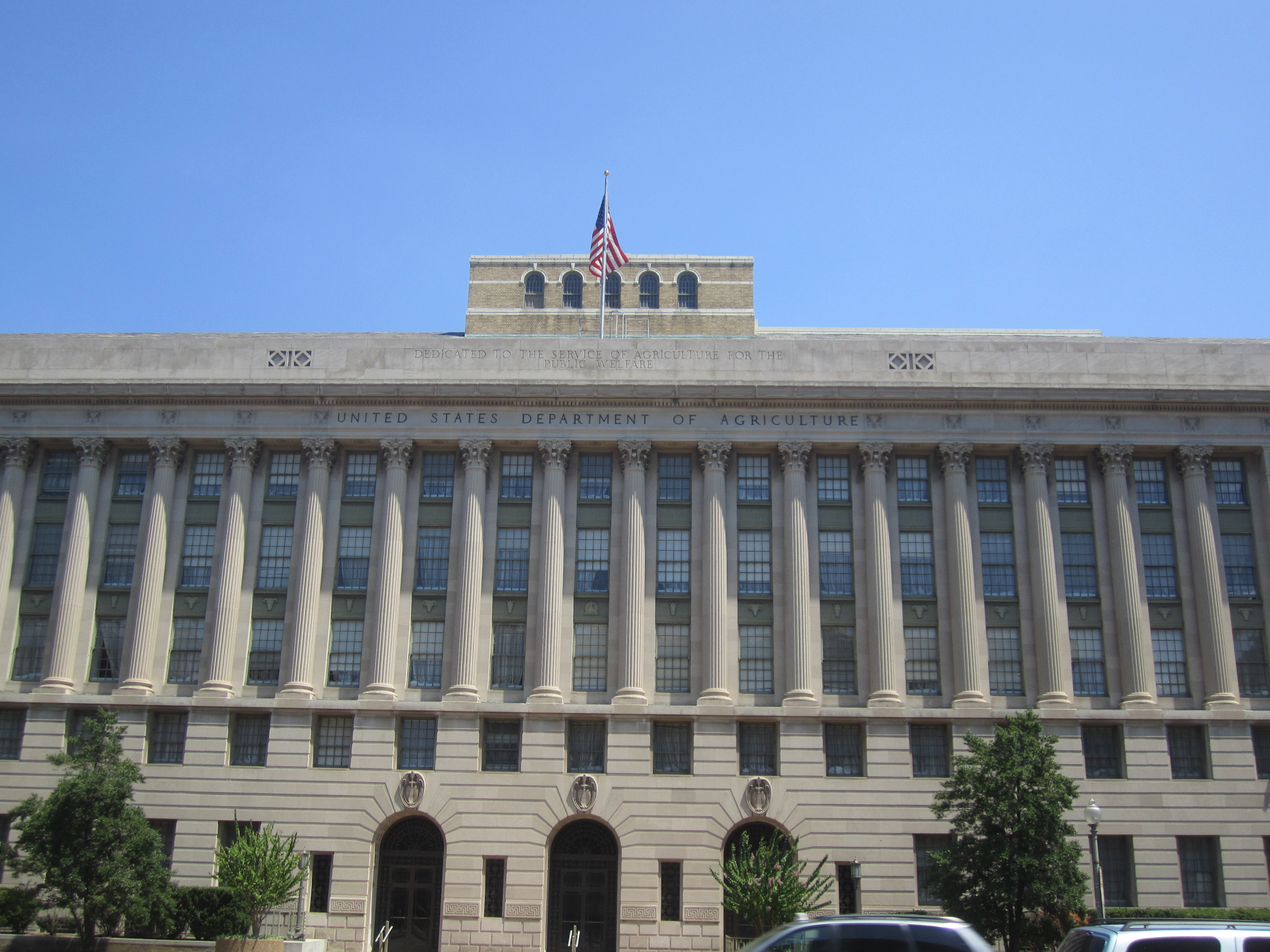
United States Department of Agriculture
 United States
"Leadership on food, agriculture, natural resources, rural development, and nutrition"
About
The United States Department of Agriculture, or USDA, is a federal executive department established on May 15, 1862, when President Abraham Lincoln signed the legislation creating it. Lincoln, who called it "the people's department," is credited as its founder along with Henry Leavitt Ellsworth, the first Commissioner of Agriculture. Ellsworth, a Yale-educated lawyer and farmer, had previously headed the agricultural division of the U.S. Patent Office, where he pioneered the collection and distribution of seeds and agricultural information. The department was elevated to Cabinet-level status in 1889, and its original mandate was to meet the needs of commercial farming, stabilize farm income, develop foreign markets, curb poverty and hunger, and protect soil and natural resources.
Today the USDA is one of the largest federal agencies, with an annual budget of roughly $213 billion, about 71% of which goes to nutrition assistance programs. The Supplemental Nutrition Assistance Program (SNAP), formerly known as food stamps, is the largest of these, helping millions of low-income families afford groceries. The department's portfolio also includes food safety inspection of meat, poultry, and egg products; grants and loans for farmers and ranchers; management of 193 million acres of national forests and grasslands through the U.S. Forest Service; rural development investments in water infrastructure, broadband, and community facilities; crop insurance; agricultural research; and international market development. The USDA's visible brand elements, such as the "USDA Organic" seal, the MyPlate nutritional guide, and the "USDA Choice" and "USDA Prime" beef grading labels, carry significant consumer recognition and trust.
The department is led by the Secretary of Agriculture, a Cabinet-level position appointed by the President and confirmed by the Senate. Brooke Rollins has held the post since February 13, 2025. In August 2026, the department announced several initiatives, including extended crop insurance payment deadlines and reinstated prevented planting coverage, a $30 million investment in rural water infrastructure in partnership with the Choctaw Nation of Oklahoma, and the designation of 40 Virginia communities as drought disaster areas. The USDA also continues to navigate an ongoing employee relocation process that has drawn lawsuits from staff. Its headquarters are in Washington, D.C., with offices in all 50 states, U.S. territories, and American embassies worldwide, including agricultural attachés stationed abroad to promote exports.
Products & Sub-brands
Frequently Asked Questions
Who owns the USDA?
Who is the current USDA Secretary?
How much is the USDA worth?
Is the USDA still in business?
What is the difference between the USDA and the FDA?
Keywords
Sources
Company Info
- Founded
- May 15, 1862
- Founder
- Abraham Lincoln, Henry Leavitt Ellsworth
- CEO
- Brooke Rollins
- Headquarters
- Washington, D.C.
- Industry
- Government
- Revenue
- $213 billion (annual budget)
- Employees
- Hundreds of thousands (across all agencies)
- Annual Budget
- $213 billion
- Cabinet Status
- 1889
- Current Secretary
- Brooke Rollins (since Feb 13, 2025)
Official Website
www.usda.gov/
Join the community
fans discussing