
Last updated
    Ajinomoto
    Food processing, biotechnology, chemical manufacturing

    Ajinomoto

    France flagFrance

    "Essence of Taste"

    Founded 1909 Tokyo, Japan
    Community

    About

    Kikunae Ikeda isolated the savory flavor compound now known as umami from kelp in 1908 and began commercial production of its salt form, monosodium glutamate, by 1909. He trademarked this discovery as Aji-no-Moto, which translates to "essence of taste." The company initially focused on selling this powder to restaurants and households before evolving into a diversified global conglomerate.

    Modern operations span food products like frozen meals and cooking oils alongside high-tech materials used in semiconductor packaging. The group maintains a presence in over 40 countries with regional hubs in North America, Europe, and Asia. Recent strategic moves include expanding partnerships for industrial-scale silk protein production and adjusting supply chains for chip packaging films amid geopolitical shifts.

    Products & Sub-brands

    Monosodium glutamate (MSG)Frozen foodsCooking oilsBeveragesSweetenersAmino acidsSemiconductor packaging films

    Frequently Asked Questions

    Who owns Ajinomoto?
    Ajinomoto Co., Inc. is a publicly traded company listed on the Tokyo Stock Exchange under ticker 2802. It is owned by institutional investors and shareholders globally rather than a single individual or family.
    Is Ajinomoto still in business?
    Yes, the company remains active and is expanding its portfolio in 2026. Operations continue across food sectors and high-tech industries like semiconductor materials, with reported profitability in regions such as Malaysia.
    What is the difference between Ajinomoto and MSG?
    "Aji-no-Moto" was the original brand name Kikunae Ikeda created for monosodium glutamate in 1909. While MSG is the generic chemical term for the flavor enhancer, Ajinomoto sells both the branded seasoning and the generic product alongside other goods.
    Where is Ajinomoto headquartered?
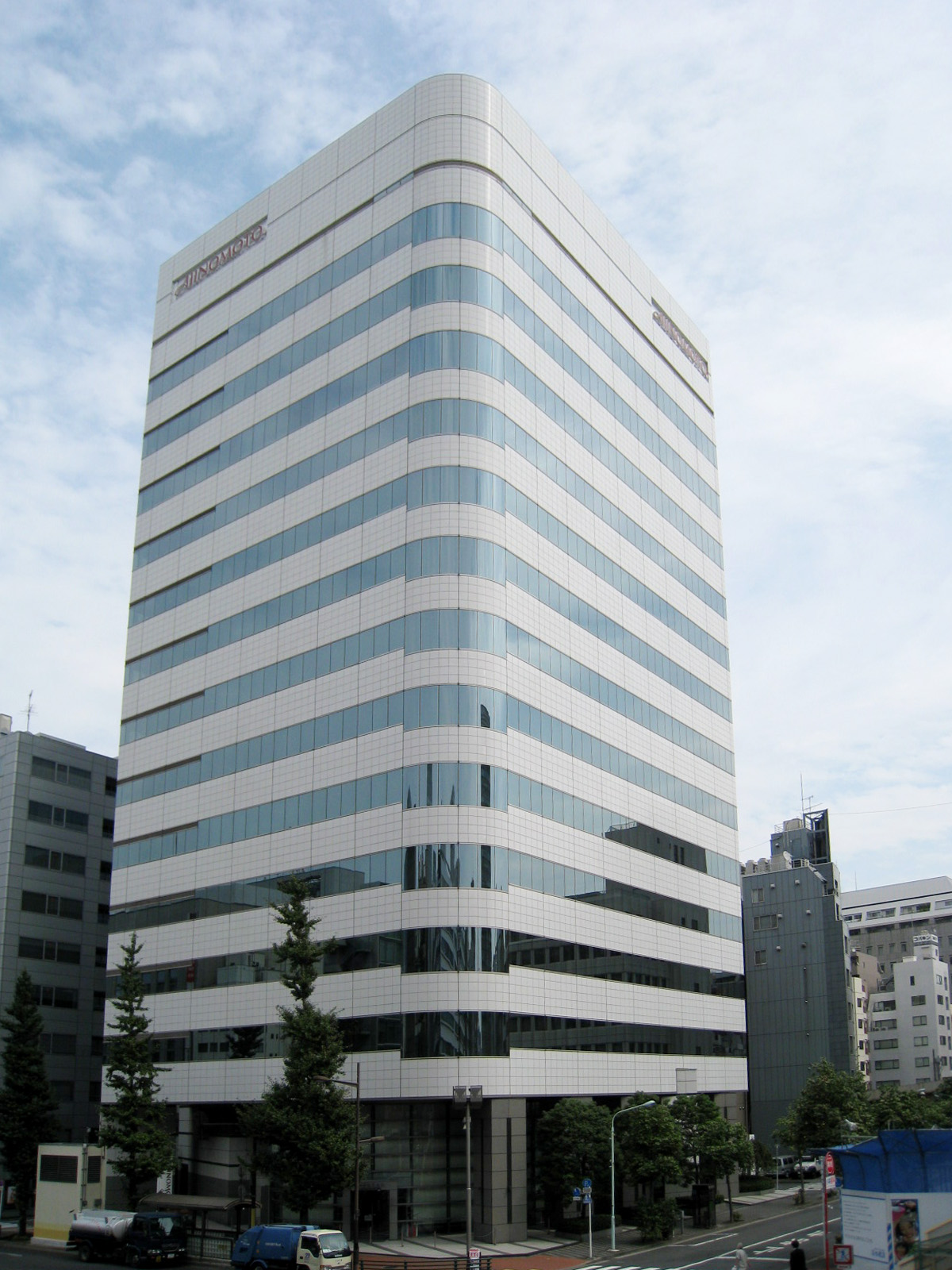
    The global headquarters is located at the Ajinomoto Headquarters Building in Tokyo, Japan. Regional offices and manufacturing facilities operate worldwide, including major centers in Ontario and California for North American markets.
    Is Ajinomoto safe to eat?
    Major regulatory bodies including the FDA and WHO recognize monosodium glutamate as safe for general consumption. While some individuals report sensitivity to the ingredient, scientific consensus attributes these reactions to specific sensitivities rather than toxicity.

    Keywords

    umamimonosodium glutamateseasoningbiotechnologysemiconductor materialsJapanese corporationfrozen foodamino acids

    Sources

    Company Info

    Founded
    1909
    Founder
    Kikunae Ikeda
    Headquarters
    Tokyo, Japan
    Industry
    Food processing, biotechnology, chemical manufacturing
    Parent Company
    Ajinomoto Co., Inc.
    Stock Ticker
    2802 (Tokyo Stock Exchange)
    Countries of Operation
    Over 40

    Official Website

    www.ajinomoto.co.jp/

    Join the community

    fans discussing