 Algeria
About
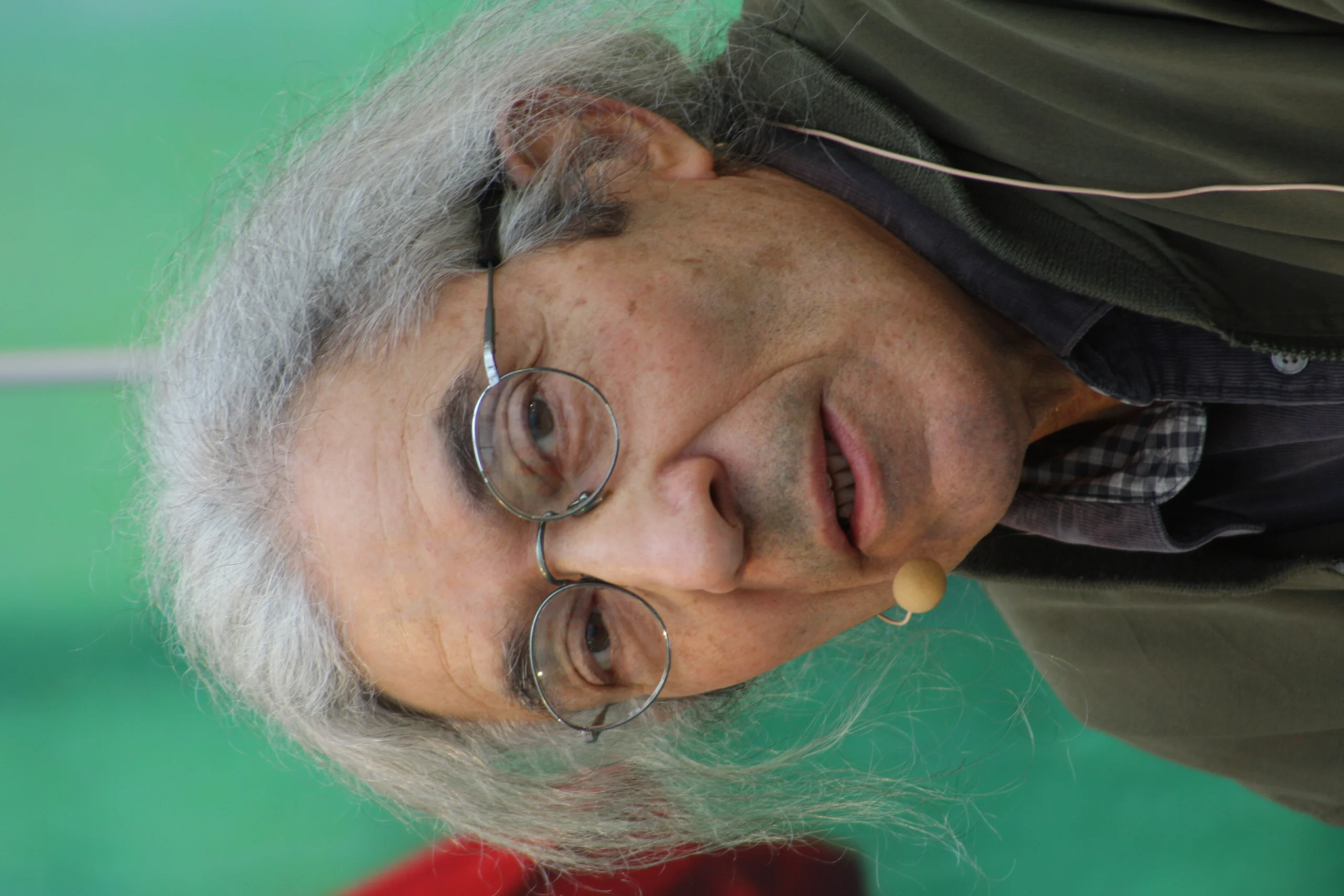
Boualem Sansal is a French-Algerian writer, engineer, and former government official whose sharp critiques of Islamism and authoritarianism have made him a polarizing figure in contemporary literature. Born on October 15, 1944, in Theniet El Had, he spent decades working as an engineer and economist within the Algerian state apparatus before retiring to write full-time in his early fifties. His debut novel Perruche appeared in 1999, launching a career defined by unflinching political commentary that has earned him prestigious awards while simultaneously drawing the ire of Algerian authorities. As of late 2026, following a harrowing year-long imprisonment from November 2024 to November 2025, he remains an active voice despite being diagnosed with prostate cancer during detention. Released on humanitarian grounds after international pressure, he continues to publish and speak out on global issues, cementing his reputation as a fearless dissident willing to face personal consequences for his convictions.
Sansal stands as a unique figure who bridges the gap between technical bureaucracy and radical literary dissent. His work is characterized by a rigorous sociological analysis often blended with narrative fiction, reflecting his background in engineering and economics. He is currently navigating a complex post-release phase marked by controversial statements regarding European politics and Israel. His enduring legacy lies in his refusal to remain silent, transforming from a high-ranking state official into one of the most prominent Arab authors to critique political oppression and religious fundamentalism.
Early Life & Background
Boualem Sansal was born in the mountainous town of Theniet El Had in the Blida province of Algeria on October 15, 1944. While some biographical records occasionally cite Algiers as his birthplace or primary residence, the consensus points to his origins in the Blida region. He pursued a rigorous academic path that diverged sharply from the typical trajectory of literary figures in the Arab world. Instead of studying literature directly, he focused on technical and economic disciplines, earning an engineering degree from the National Polytechnic School (École Nationale Polytechnique) and later a PhD in economics.
This technical background shaped his worldview and later his writing style, which often blends sociological analysis with narrative fiction. Professionally, he held various roles including teacher, consultant, business leader, and senior official within the Algerian Ministry of Industry. He worked for the state until his retirement in the early 1990s, at which point he was approximately fifty years old. It was only after leaving public service that he turned his full attention to fiction, publishing his first novel nearly two decades into his retirement. His transition from the rigid structures of the Algerian bureaucracy to the free expression of literature marked a significant personal evolution before his rise to international fame.
Career Growth
Sansal's transition to fiction was abrupt and highly successful. He published his debut novel, Perruche (The Parrot), in 1999, which immediately won the Prix du Premier Roman. This marked the beginning of a prolific career where he became one of the most prominent Arab authors to critique Islamism and political oppression. In 2005, he released two significant novels: L'Enfant sale (The Dirty Child) and Harraga (The Burners). The latter, dealing with illegal immigration from North Africa to Europe, became a bestseller and was later adapted into a film.
His thematic focus expanded in 2008 with Le Village de l'Allemand (The German Village), which won the Prix Nessim-Habif. This book explored the history of Nazi occupation in Algeria and the Holocaust, marking a shift toward historical memory. In 2011, he published Rue Darwin (Darwin Street), a novel critiquing religious fundamentalism that won the Peace Prize of the German Book Trade. His dystopian satire 2084: La fin du monde (2084: The End of the World) followed in 2015, winning the Grand Prix du roman de l'Académie française. In 2021, Le Train d'Erlingen (The Erlingen Train) received the Prix mondial Cino Del Duca. His career took a dramatic turn in late 2024 when he was arrested, detained for a year, and eventually pardoned in November 2025, leading to controversial post-release activities in 2026.
Career Timeline
Public Image & Style
Sansal is known for his sharp, uncompromising tone and his willingness to challenge both Islamic fundamentalism and Western indifference. His public image is that of a dissident intellectual and a fearless critic. He does not have a formal fandom; his supporters are primarily academics, human rights advocates, and readers of serious literature. His aesthetic is that of a serious academic and writer, devoid of celebrity flair. He is often portrayed in media as an elderly man battling illness while continuing to advocate for free speech. Following his release in 2025, his image shifted to include a defiant elder statesman of letters who refused to be silenced by imprisonment or health crises.
Fame & Fandom (iFAMOUS Rankings)
Boualem Sansal does not currently appear in iFANN's published rankings. The Global Fame Engine has evaluated him, but as of September 2026, he holds no placement in the Global Top 1,000 or any Top-100 scope list. This absence is notable given the international attention surrounding his imprisonment and release, but it reflects the engine's assessment of his current fame signals.
His fanbase, such as it is, has no formal name. Sansal's supporters are not organized in the manner of a typical fandom; they are diffuse, comprising readers of francophone literature, free-speech advocacy groups, and political sympathizers. The closest to organized backing comes from institutions like PEN International, which has taken up his case for freedom of expression. Literary events, such as a special reading in Germany in July 2026, engage with his work, but these are cultural and academic, not fan-driven. There are no documented fan clubs, conventions, or campaigns, no birthday billboards or streaming pushes. His public appearances, like his France 2 interview after returning to France, are news media events, not fan gatherings. The absence of a formal fandom is consistent with his profile as a serious literary figure whose public persona is dominated by political controversy rather than celebrity culture.
Interesting Facts and Legends
Before becoming a novelist, Sansal was a high-ranking engineer and economist, a rare combination for a literary figure in the Arab world. He did not publish his first novel until he was nearly 55 years old, after retiring from a long career in the Algerian bureaucracy. He is noted as one of the first Arab novelists to directly confront the Holocaust in his fiction, particularly in Le Village de l'Allemand. His arrest at Algiers airport in November 2024 stands as a legendary moment in modern Algerian literary history, symbolizing the suppression of dissent. Following his release, he declared France over for him and announced plans to leave the country, citing frustration with the French media and political establishment. Additionally, in August 2026, he made a shocking proposal that Spain should hand over the North African enclaves of Ceuta and Melilla to Morocco or Algeria, reigniting diplomatic debates.
Notable Quotes
“France is over for me.”
“I refused to silence my support for Israel.”
“Spain should hand over Ceuta and Melilla.”
Family & Personal Life
While Boualem Sansal lived a long life in Algeria, specific details about his immediate family members remain largely obscure to the public. There are no widely documented accounts of his parents' names, occupations, or specific influence on his early character formation beyond general cultural context. Similarly, information regarding any siblings, extended family stories, or household dynamics during his childhood in Theniet El Had is not available in standard biographical sources. He did not publicly share anecdotes about pets or domestic traditions that might have influenced his writing. The lack of such details suggests a deliberate separation between his private lineage and his public intellectual output. No interviews have revealed specific family gatherings or generational conflicts that shaped his early identity outside of the broader Algerian social fabric.
Notable Connections
Relationships & Dating History
Public information regarding Boualem Sansal's romantic life is scarce. Unlike many celebrities, Sansal maintains a low profile regarding his private relationships, family, and children. There are no credible reports detailing marriages, engagements, or specific dating history in available sources. He is generally described as a private individual who kept his personal life separate from his public intellectual persona. As of 2026, there is no public record of a current partner, spouse, or children. He appears to be single or strictly private about his domestic arrangements.
Salary, Net Worth In 2026
$500 Thousand
iFANN Editorial Team estimate
iFANN Editorial Team research indicates Boualem Sansal's net worth is modest compared to commercial entertainers, reflecting his status as a literary figure rather than a mass-market celebrity. His income derives primarily from book royalties, speaking engagements, and a pension from his former government service. Specific financial details are not publicly disclosed in typical celebrity databases due to the lack of endorsement deals or major business ventures. Estimates suggest his fortune sits around $500,000 as of 2026, derived from the steady sales of his translated works across Europe and North America, alongside occasional lecture fees. The estate value remains stable, supported by the enduring interest in his critical works on Islamism and authoritarianism.
Awards Won (5)
Boualem Sansal has received numerous accolades for his contributions to literature and human rights. He won the Prix du Premier Roman for his debut novel Perruche in 1999. His 2008 novel Le Village de l'Allemand earned the Prix Nessim-Habif. In 2011, he received the prestigious Peace Prize of the German Book Trade for Rue Darwin. Later, 2084: La fin du monde won the Grand Prix du roman de l'Académie française in 2015, and Le Train d'Erlingen received the Prix mondial Cino Del Duca in 2021.
1999 · Debut Novel
Perruche
2008 · Novel
Le Village de l'Allemand
Known For
Perruche
1999 · Author
Harraga
2005 · Author
Rue Darwin
2011 · Author
2084: La fin du monde
2015 · Author
Le Train d'Erlingen
2021 · Author
Keywords
Sources
Quick Facts
- Profession
- writer, engineer, teacher
- Born
- October 15, 1944
- Birthplace
- Theniet El Had
- Gender
- Male
- Birth Sign
- Libra
Personal Details
- Children
- Education
- National Polytechnic School (Engineering), PhD in Economics
Frequently Asked Questions
How old is Boualem Sansal?
Why was Boualem Sansal imprisoned?
Is Boualem Sansal still alive?
What books has Boualem Sansal written?
Where is Boualem Sansal currently living?
Similar People

Join the community
fans discussing