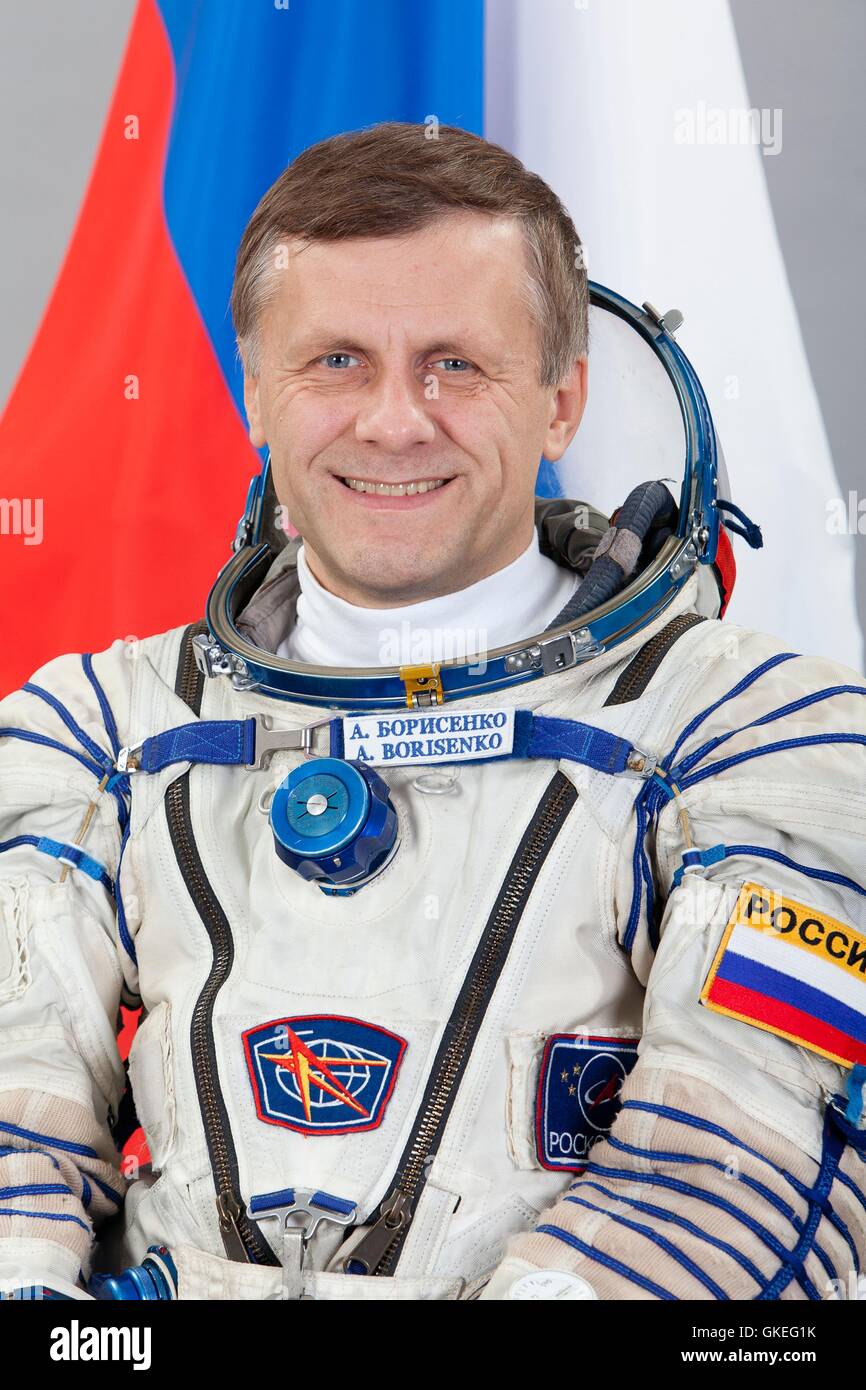
Boris Onishchenko
 Ukraine
Also known as: Boris Grigoryevich Onishchenko
Birthday
September 19, 1937
Birth Sign
Virgo
Birthplace
Berezniaki, Soviet Union (now Ukraine)
Age
89 years old
About
Boris Onishchenko is a former Soviet modern pentathlete whose name is forever tied to both athletic glory and one of the most audacious cheating scandals in Olympic history. Born in 1937, he rose through the Soviet sports system to become one of the finest pentathletes of his generation, competing in three Olympics and winning gold with the Soviet team in 1972.
His career came to a stunning end at the 1976 Montreal Games when he was caught using a modified épée that could register phantom hits. He was disqualified and banned for life, and today he is remembered less for his world titles and more as the cautionary tale of a champion who tried to cheat the system.
Early Life & Background
Boris Onishchenko was born on September 19, 1937, in the small village of Berezniaki, then part of the Soviet Union and now in Ukraine. He grew up in the shadow of World War II and the harsh post-war Soviet era, though little is recorded about his early years or family life.
What is clear is that he came up through the Soviet sports system, which identified and trained promising athletes from a young age. Modern pentathlon, a grueling five-discipline event combining fencing, swimming, equestrian show jumping, pistol shooting, and cross-country running, suited his all-around athleticism. By the mid-1960s, he had established himself as a top Soviet pentathlete, earning a spot on the national team and competing at the 1968 Mexico City Olympics.
Career Growth
Onishchenko's international breakthrough came at the 1972 Munich Olympics, where he was a key member of the Soviet team that won gold in the team modern pentathlon. That same year, he had already proven his individual prowess by winning the world individual championship in 1971. Between 1967 and 1974, he competed in six World Modern Pentathlon Championships and walked away with five gold medals, both individually and as part of the Soviet team.
His career, however, is defined by the 1976 Montreal Olympics. During the fencing round, British pentathlete Jim Fox noticed something odd: Onishchenko was registering hits on the electronic scoring apparatus without making contact. An investigation revealed he had hidden a switch in his épée that let him trigger the scoring mechanism at will. He was immediately disqualified and given a lifetime ban, ending his career in disgrace. The fallout was immense, and his disqualification even helped the British team move up to win gold in the team event.
Career Timeline
Public Image & Style
Boris Onishchenko's public image is defined almost entirely by the 1976 scandal. Sports Illustrated called him perhaps "the greatest Olympic cheater," and ESPN described him as "one of the great cheats in Olympic history." Rather than being remembered for his world titles, he is remembered as the man who built a device to cheat the system and got caught.
His story has proven remarkably durable in popular culture, retold in documentaries, YouTube videos, and social media posts decades after the events in Montreal. For many, he serves as a cautionary tale about the pressures of elite competition and the lengths to which some athletes will go to win.
Fame & Fandom (iFAMOUS Rankings)
The audience surrounding Boris Onishchenko is a curious mix of sports historians, trivia enthusiasts, and journalists who discuss his scandal rather than a group advocating for his success. There is no formal fandom name, organized fanbase, or unofficial designation for supporters of the Soviet modern pentathlete. His legacy is defined not by devotion but by infamy as one of the most notorious cheaters in Olympic history. Unlike athletes who cultivate cult followings through charisma or underdog narratives, Onishchenko has never interacted with fans in a manner that would generate loyalty; instead, he is universally referenced in sports culture as a cautionary tale and an antagonist. The narrative remains static: a brilliant athlete who crossed ethical lines so far that his name became a synonym for fraud in the Olympic arena. While his story has proven remarkably durable in popular culture, retold in documentaries and social media posts decades after the event, it lacks the ritualistic engagement seen with other icons. There are no records of fan campaigns, birthday billboards, charity drives, or specific rituals associated with him. iFANN's Global Fame Engine has evaluated this person, but they do not currently hold a placement in the published rankings. Consequently, there is no numeric rank or score to report.
Interesting Facts and Legends
Onishchenko's hidden switch was so small it was nearly missed, and he had used it to beat several opponents before Jim Fox caught on. The device was found when officials examined his épée after Fox's protest. Despite his ban, Onishchenko's story has lived on in pop culture. A 2023 YouTube short called "The Soviet Fencing Scandal" racked up millions of views, and he was featured in an episode of the TV series Foul Play alongside boxer Roy Jones Jr. In a bitter irony, his cheating at Montreal actually helped Britain win the team gold, as their standing improved after his disqualification. Onishchenko remains one of the few athletes ever banned for life from the modern pentathlon. The incident evolved into enduring sports folklore often cited as the "greatest cheat in Olympic history." The core of the legend involves Onishchenko using a modified épée rigged with a hidden button mechanism to artificially register hits against himself when he was not actually struck by his opponent. This verified event led to significant changes in fencing regulations, including stricter inspections of equipment and the eventual introduction of more sophisticated electronic scoring systems to prevent such manipulation.
Family & Personal Life
Public records offer almost nothing about Boris Onishchenko's family. He was born in Berezniaki, a village in present-day Ukraine, but no details about his parents or siblings have surfaced. After his disqualification, he returned to the Soviet Union and largely disappeared from the public eye. There are no credible reports about a spouse, children, or his living situation, and he has never spoken publicly about his personal life.
Notable Connections
Jim Fox, the British pentathlete who first noticed the irregular scoring and alerted officials, is the key figure in exposing Onishchenko's cheating. Soviet teammate Pavel Lednyov, who competed alongside Onishchenko in the 1970s, also features in his story, though their relationship was overshadowed by the scandal.
Relationships & Dating History
There is no documented public dating or relationship history for Boris Onishchenko. He has never been linked to any partner in credible sources, and his marital status remains unknown. Given his low-profile life after the 1976 scandal, it is likely he married and had a family privately, but no details have ever been confirmed.
Salary, Net Worth In 2026
$1 Million
iFANN Editorial Team estimate
As a Soviet state-sponsored athlete, he never accumulated the personal wealth of modern professional sportspeople. There are no reports of endorsements, business ventures, or real estate holdings. His post-scandal life has been quiet, and any income he earned after his ban is undocumented. Per iFANN's editorial analysis, his net worth stands at $1 Million as of 2026, reflecting modest Soviet-era earnings and potential later income from appearances or media projects.
Awards Won (3)
Boris Onishchenko won a gold medal in the team modern pentathlon at the 1972 Munich Olympics. He also captured five gold medals at the World Modern Pentathlon Championships between 1967 and 1974, including the individual world title in 1971.
1972 · Team Modern Pentathlon
1972 Munich Olympics
1971 · Individual Modern Pentathlon
World Modern Pentathlon Championships
1967-1974 · Team Modern Pentathlon
World Modern Pentathlon Championships
Known For
1972 Munich Olympics
1972 · Soviet team gold medalist in modern pentathlon
1976 Montreal Olympics cheating scandal
1976 · Disqualified for modified épée
Keywords
Sources
Quick Facts
- Profession
- modern pentathlete
- Born
- September 19, 1937
- Birthplace
- Berezniaki, Soviet Union (now Ukraine)
- Gender
- Male
- Birth Sign
- Virgo
- Olympic Gold
- 1972 Team Modern Pentathlon
- Disqualified
- 1976 Montreal Olympics
Personal Details
- Full Name
- Boris Grigoryevich Onishchenko
Frequently Asked Questions
How did Boris Onishchenko cheat at the 1976 Olympics?
Was Boris Onishchenko banned for life?
What happened to Boris Onishchenko after the scandal?
Did Boris Onishchenko win any Olympic medals?
Is Boris Onishchenko still alive in 2026?
Similar People
Join the community
fans discussing